

Conquering the Elements: How Sunforger Canvas Handles Humid Climates vs. Arid Deserts
Conquering the Elements: How Sunforger Canvas Handles Humid Climates vs. Arid Deserts
⛺ Ready to upgrade your shelter? Don't let regional weather ruin your next outdoor excursion. Explore our weather-tested inventory at Stout Tent or dive straight into our rugged Pro Bell Tent Series.
Every seasoned camper knows that the great outdoors rarely offers a mild, temperature-controlled environment. Depending on where you pitch your camp, Mother Nature throws wildly different punches.
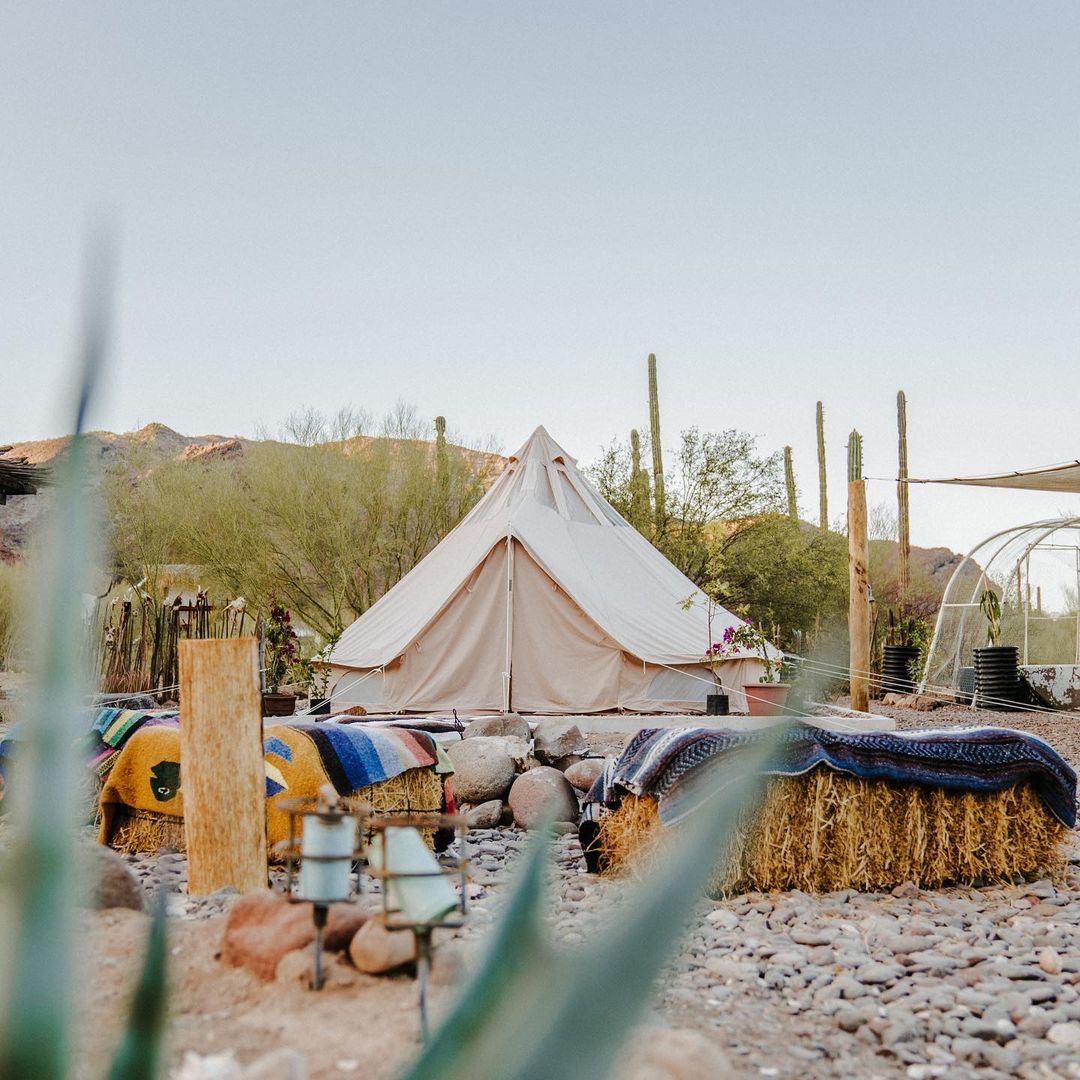
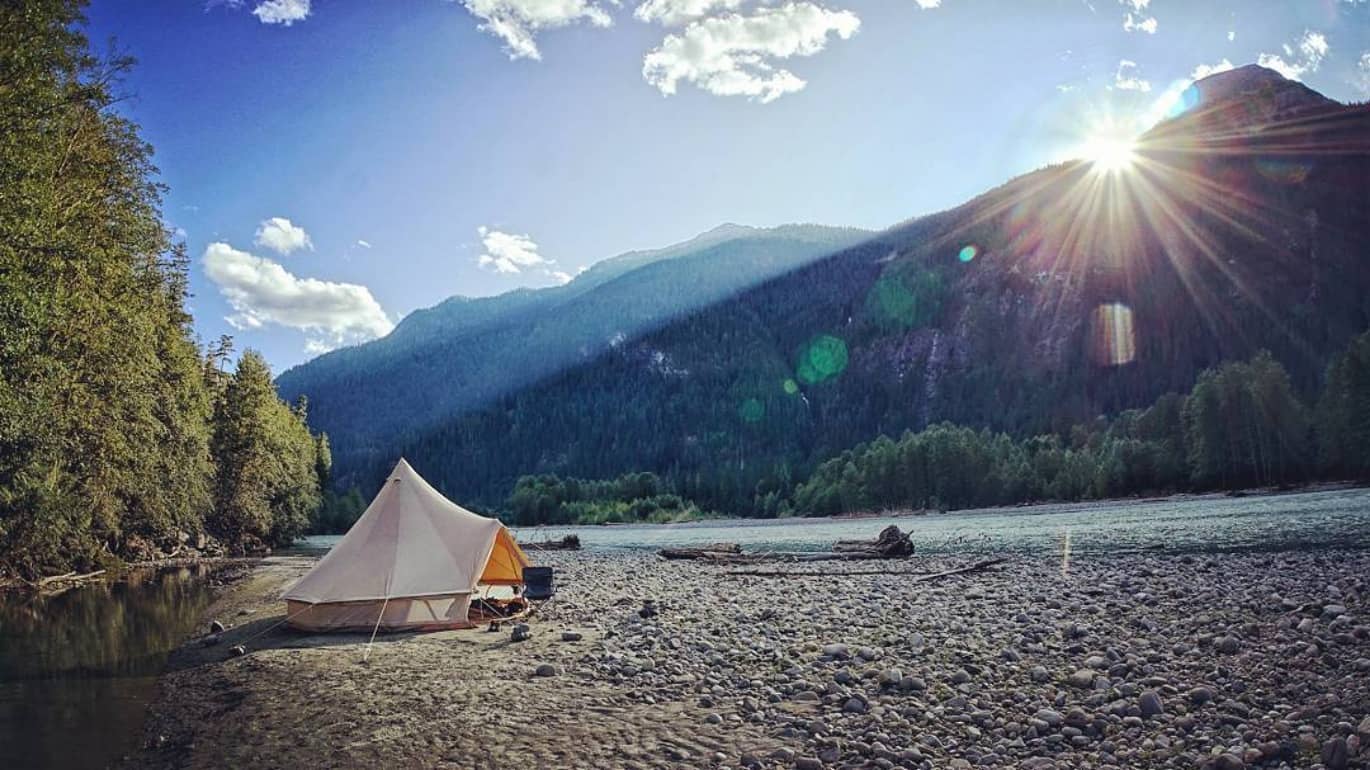
If you are camping in the muggy, high-humidity river valleys and coastal regions of the Southeast, your biggest enemy is internal moisture, mold, and suffocating mugginess. If you head west into the blazing, high-UV deserts of the Southwest, you are fighting relentless sun degradation, searing midday heat, and howling dust winds.
Most standard nylon and polyester tents are designed as one-size-fits-all synthetic boxes—meaning they trap moisture like a greenhouse in humidity and break down under intense UV exposure. At Stout Tent, we engineer our tents to overcome these exact regional challenges.
💡 Tailor your setup to your environment: Discover expert tips on airflow, sun protection, and equipment pairing over at our Hot, Humid Climates (like the US Southeast) and Camping in Dry & Rocky Climates | US Southwest Gear Guide.
The Humid Climate Challenge: Beating the "Sweat Tent" Effect
When you camp in hot and humid environments, synthetic tents quickly turn into micro-climate sweatboxes. Because nylon and polyester are completely non-breathable, moisture from your breath, body heat, and surrounding damp ground has nowhere to go. It condenses on the interior walls, dripping onto your gear and creating a damp, clammy atmosphere ripe for mildew.

Why Sunforger Canvas Wins in Humidity:
-
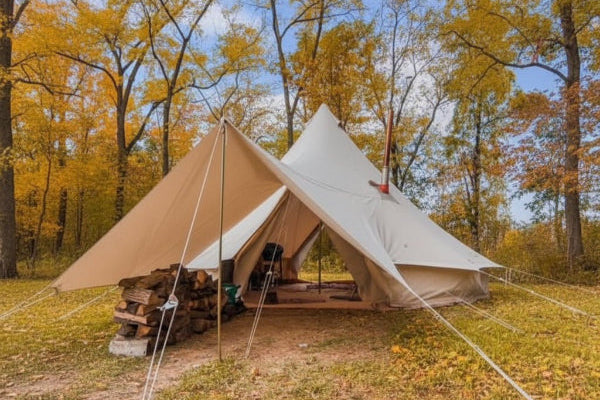
Natural Breathability: High-grade cotton canvas is a living, breathable fabric. It allows humidity and body vapor to naturally filter through the fabric walls rather than trapping it inside.
-
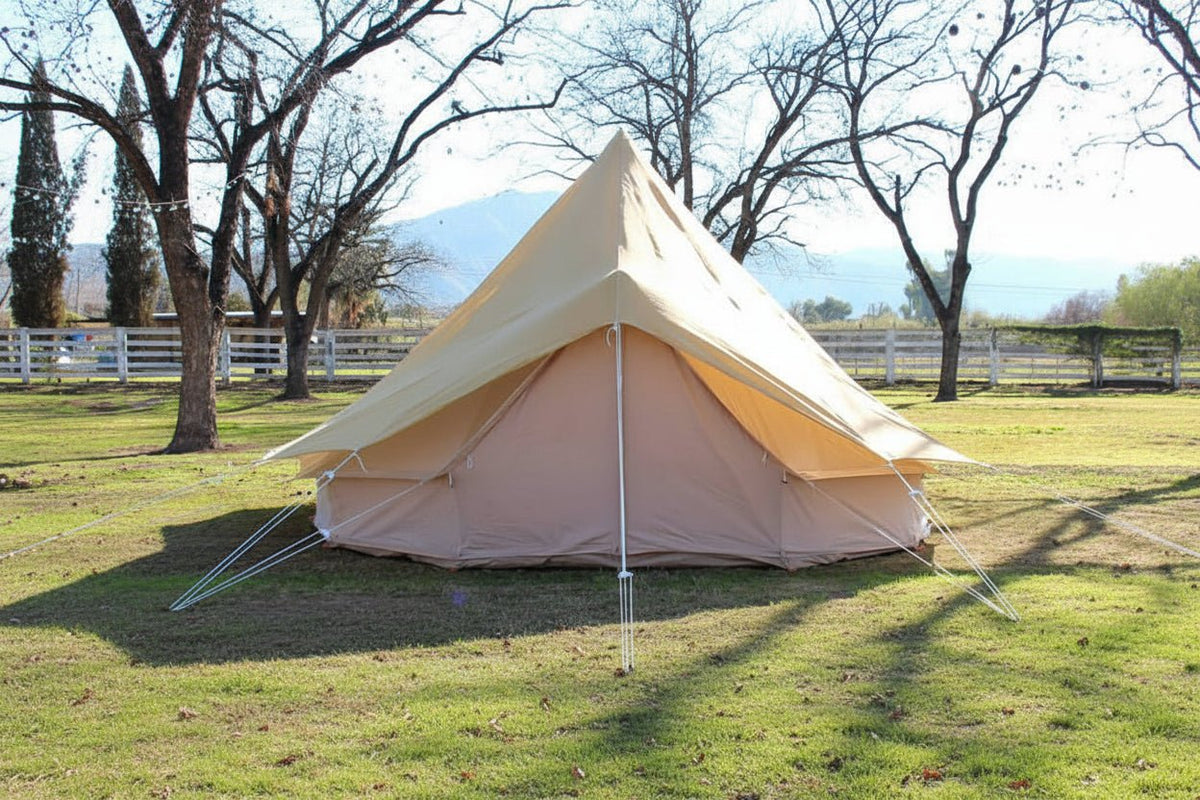
Double-Wall Airflow: As detailed in our Hot, Humid Climates (like the US Southeast) collection, our double-wall Pro tents feature a 360-degree secondary mesh wall and built-in AC ports to maximize airflow and keep interiors comfortable.
-
Superior Treatment: Our canvas is treated with specialized Sunforger marine-grade finishes that repel standing water and resist mold growth even during heavy summer downpours.
🌲 Ready for wet and humid conditions? Check out the weather-defying performance of our Pro Bell Tent series at Stout Tent.
The Arid Desert Challenge: Defeating UV Degradation and Extreme Heat
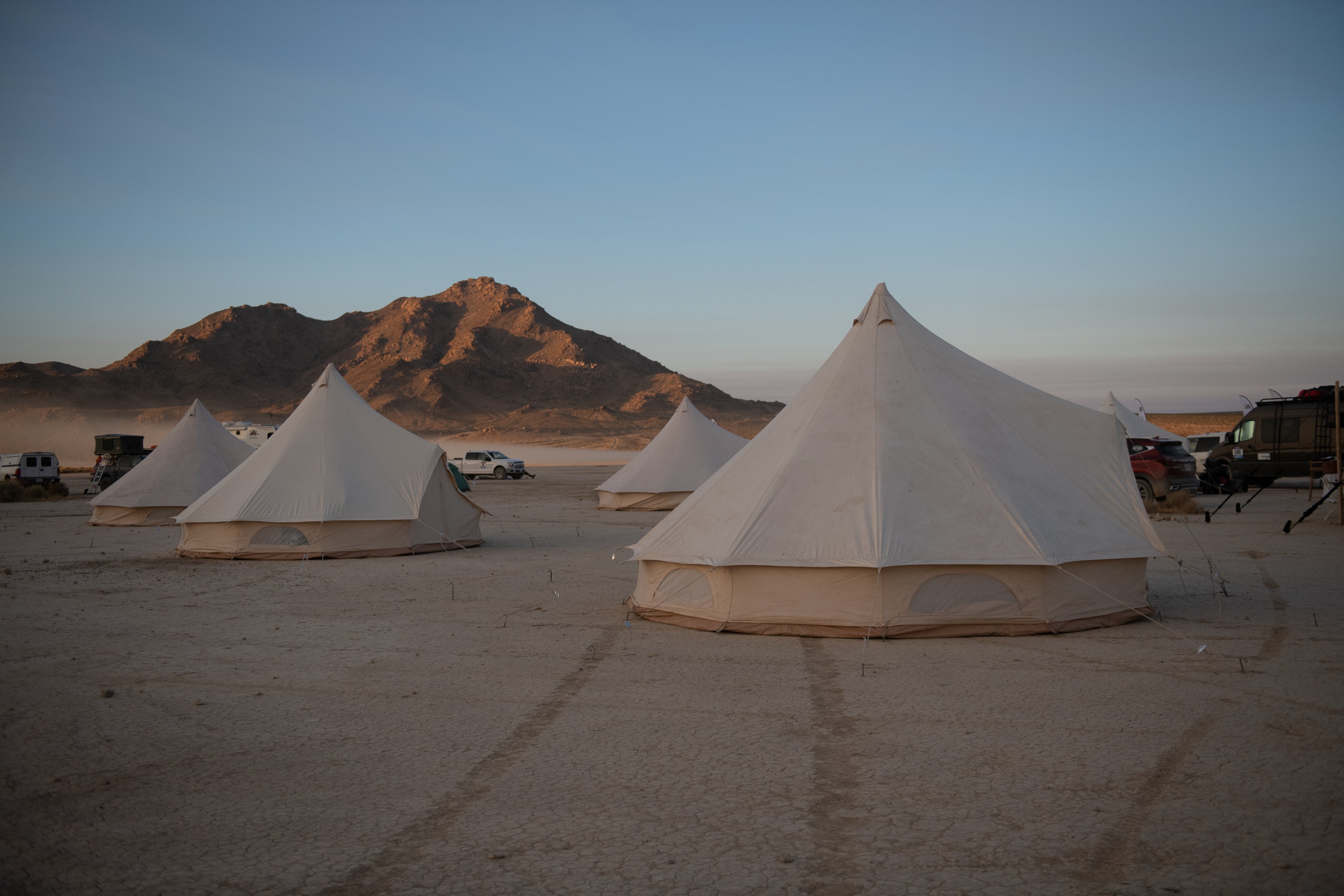
Heading into arid desert environments presents an entirely different set of survival hurdles for your gear. Standard synthetic tent fabrics take a brutal beating from ultraviolet radiation. After just a few seasons under baking desert suns, nylon fibers become brittle, fade, and tear effortlessly in the wind.
As outlined in our Camping in Dry & Rocky Climates | US Southwest Gear Guide, managing hard-packed rocky ground and intense solar radiation requires purpose-built equipment.

Why Sunforger Canvas Wins in the Desert:
-
UV Resistance: Heavyweight cotton canvas naturally blocks and withstands intense solar radiation far better than synthetics, maintaining its structural integrity season after season.
-
Natural Thermal Regulation: Canvas acts as an exceptional thermal insulator, keeping the interior significantly cooler during blazing afternoons by blocking direct radiant heat.
🌵 Planning a desert trip? Protect your investment with heavy-duty Stout Tent Stakes and UV sunshades designed specifically for rocky terrain.
Equipping Your Camp for Regional Realities
No matter where your adventures take you, your shelter should be engineered to adapt to the environment. By choosing a heavy-duty, breathable canvas structure paired with reliable hardware, you eliminate gear failure from your list of worries.
-
Explore Regional Collections: Visit our Hot, Humid Climates (like the US Southeast) and Camping in Dry & Rocky Climates | US Southwest Gear Guide pages to find the perfect setup for your next trip.
-
Shop All Tents & Gear: Head over to Stout Tent to explore our complete lineup of weather-resistant shelters and accessories.
Read more
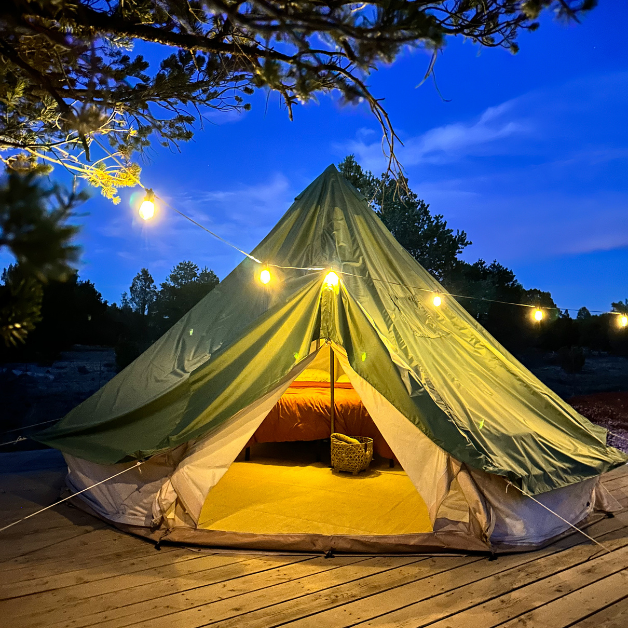
Wondering whether to build a wooden deck, use pea gravel, or pitch on the ground? Learn how alternative foundations protect your canvas tent from moisture, mud, and severe weather.
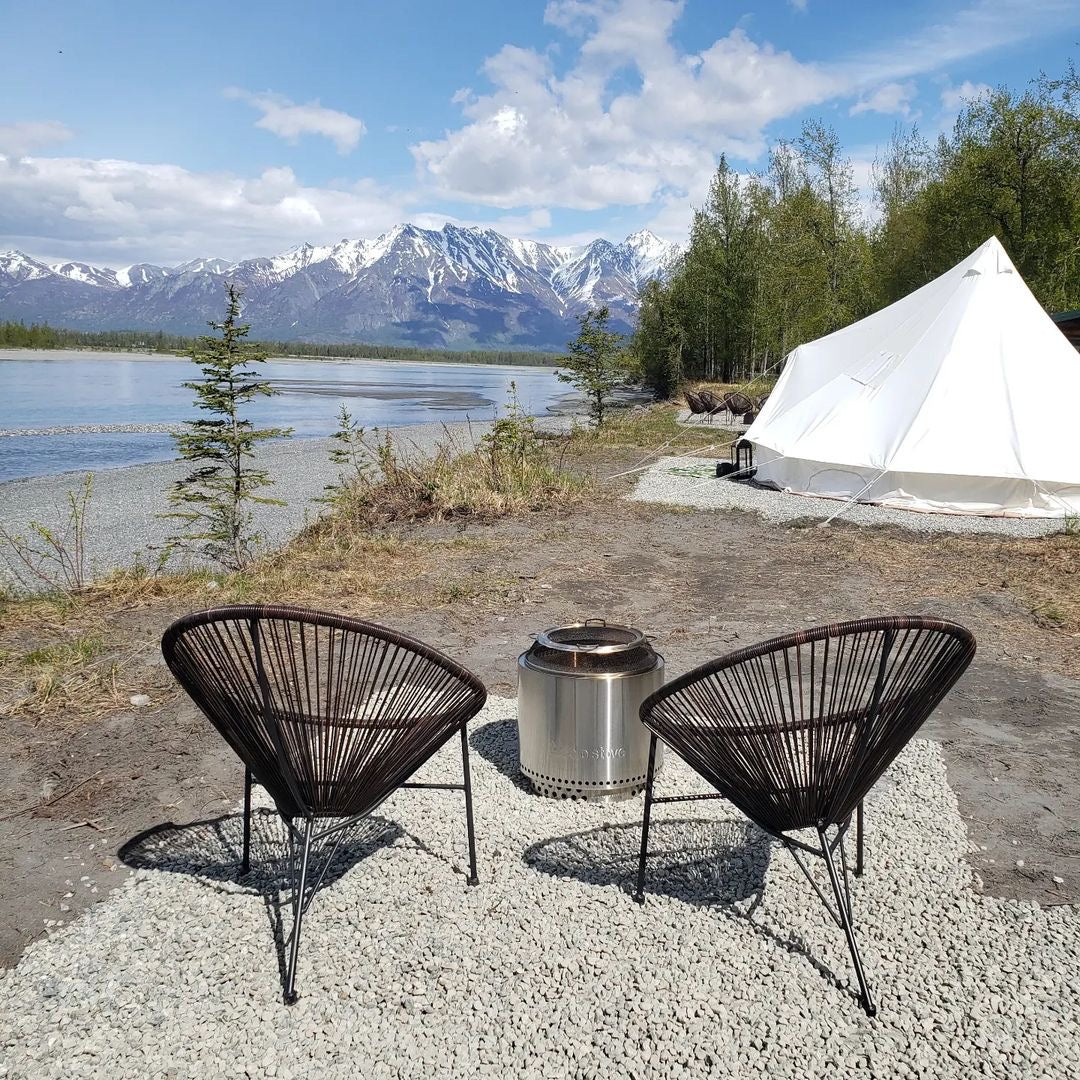
Master the art of platform camping and heavy-duty anchoring. Learn how raised wooden platforms and secure guy lines protect your canvas tent against high winds, uneven terrain, and severe weather.