


Don't let the Heat Hold you Back. The Wild is Waiting.
Why Stout Tent is Built for Hot, Humid, and Rainy Climates
Camping in the lush forests of the American Southeast is the perfect backdrop for making outdoor memories. However, this climate's high humidity, seasonal downpours, and intense moisture present unique challenges that ordinary synthetic tents simply cannot handle. To truly conquer the elements, you need to invest in a durable canvas tent that is breathable and weather resistant.
Advantages & Challenges of Camping in the Southeast
The Advantages of Humid Environments:
Natural Canopy Protection: Dense tree coverage and lush surroundings provide natural shade and windbreaks that protect your setup.
Rich Atmosphere: Unlike dry desert air, humid regions hold onto evening coolness better, making shaded daytime lounging much more comfortable when managed right.
The Challenges We Design For:
High Moisture & Humidity: Humidity traps moisture inside your tent, creating a breeding ground for mold and mildew in non-breathing nylon tents
Heavy, Driven Downpours: Southern storms and high winds, require superior waterproofing, rugged seams, and robust frame tension.
Our Top Tent Picks for Humid & Wet Climates
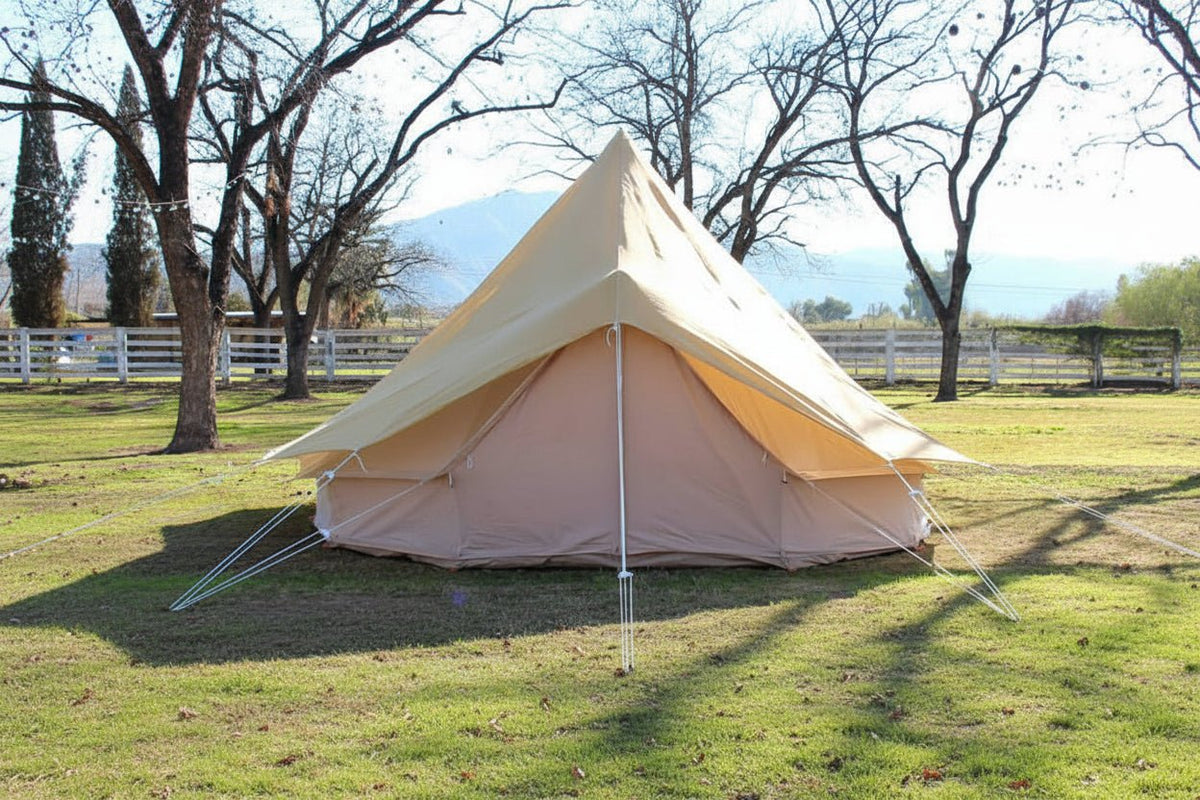
Canvas tents are ideal for camping in hot, humid climates because, unlike nylon, they breathe. Our premium Bell tents maximize this breathability with a double-wall design offering 180 degree mesh sidewalls for optimum airflow.

Ultimate Tents (Best for Recreation):
Why we recommend them: Crafted from lightweight 8.6 oz single-weave canvas, these durable tents provide natural breathability to prevent condensation during sticky summer trips, making them ideal for weekend camping in the Southeast.
Canvas & Use Consideration: Ultimate Tents are designed for recreational camping. They are not treated for fireproofing and do not come with a stove jack. We do not recommend them for long-term setups.

Double-Door Bell Tents (Best for Maximum Airflow):
Why we recommend them: In high-humidity environments, airflow is essential to keep mildew at bay. Our Double-Door tent models create an unbeatable cross-breeze that lets air circulate while keeping pests out.

Wall Tents (Compact Sizes & Breathability):
Why we recommend them: All of our Wall tents feature double doors that provide, high-volume cross-ventilation. Additionally, their traditional open-floor (no ground-sheet) design makes them compact and lightweight, the perfect durable tent for your weekend hunting or fishing trips.
Essential Gear Upgrades for Humid & Wet Conditions
Standard tent setups can struggle against the heavy downpours, constant moisture, and intense summer heat of the Southeast. Upgrading your kit with the right accessories keeps your canvas protected, and ensures you stay dry through sudden storms:

Tent Awnings & Porch Extensions:
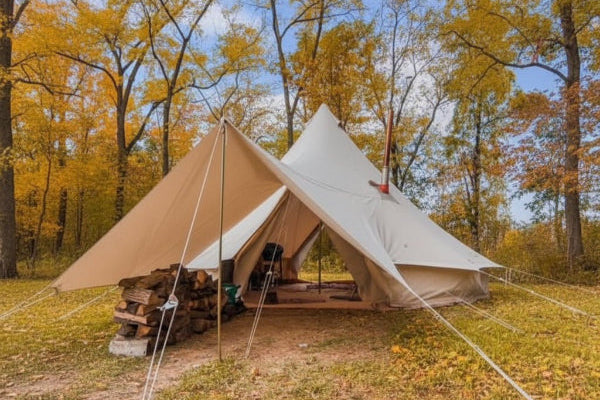
When it rains in a humid climate, it can quickly get hot and stuffy inside a closed tent. Adding an outdoor awning or porch extension gives you a shaded, covered shelter right outside your door. A tent awning provides a comfortable place to sit, cook, and stay completely dry while waiting for the downpour to end.

HPDE Sunshades:
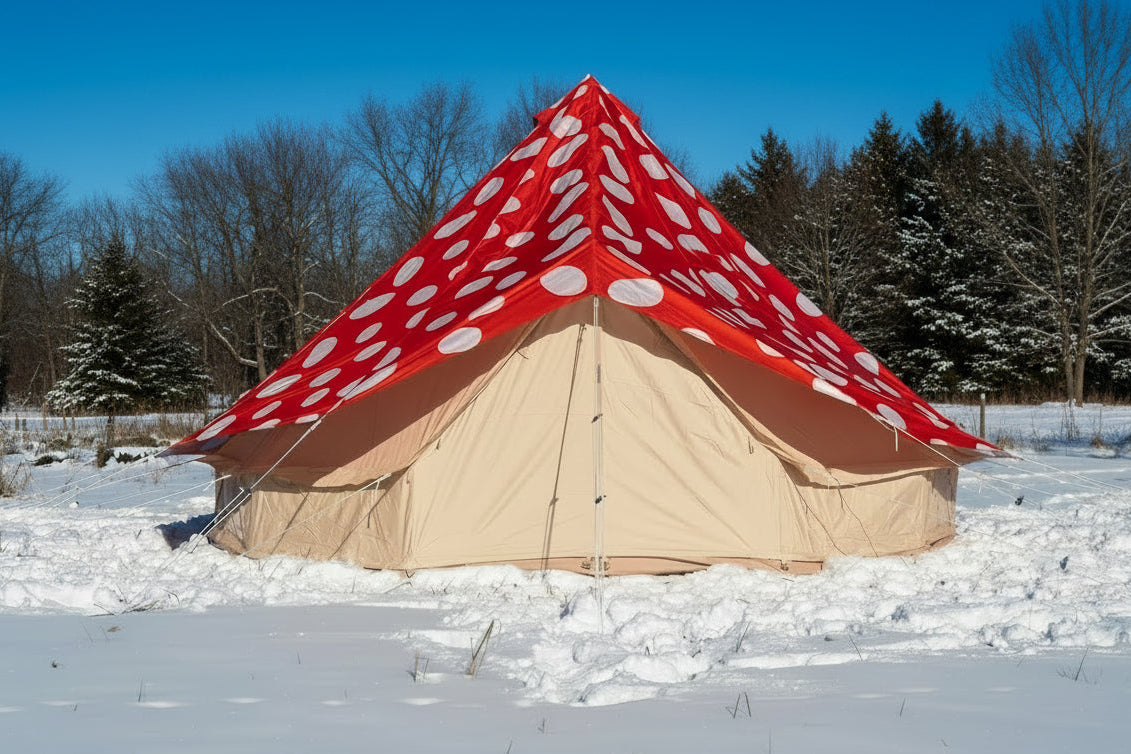
Our heavy-duty HDPE sunshades protect your canvas from UV rays, cooling the interior tent temperature by up to 10 degrees. As a bonus, the sunshade provides a protective barrier between your tent and forest elements like bird droppings, fallen leaves, and tree sap that can damage your canvas.

Nylon Rainflies:
If you aren't ready to invest in an HDPE Sunshade, a nylon rainfly is a good budget-friendly alternative. While it won't offer the same cooling factor or level of UV protection as a sunshade, it provides a protective layer against forest elements that damage canvas.
Pro Tip: You do not need to use both a rainfly and a sunshade; choose the option that best fits your climate and budget needs.
Things to Know: Canvas Tent Care in the Southeast
Never Pack Your Canvas Wet: High humidity means mildew can form rapidly if you store damp fabric. We always recommend drying your tent completely within 24 to 48 hours after a storm. Read our How to Properly Take Down and Store a Canvas Tent guide for proper drying protocols.
Manage Interior Condensation: Warm, humid air meeting the cooler tent surface can trap moisture. We recommend cracking your mesh windows and doors to encourage air circulation. Check out our climate control strategies in our The Ultimate Guide to Canvas Tent Waterproofing, Seasoning, and Preventing Leaks guide.
Routine Washing & Care: Regular cleaning helps remove environmental buildup, sap, and dust that can degrade your tent's protective treatment over time. For comprehensive cleaning instructions and maintenance best practices, check out our Canvas Tent Cleaning Guide.
Ready to Equip Your Southeast Campsite?
We have spent over a decade perfecting professional canvas gear that stands up to heavy rain, sticky humidity, and unpredictable storms. Let us help you choose the right setup for your next adventure.
Planning a Setup in a hot & humid climate? Let’s Talk Gear.
If you have any questions, please fill in this contact form, and our team will reach you back as soon as possible.
Frequently Asked Questions About Humid & Wet Climate Camping
Expert answers on mold prevention, heavy rain waterproofing, and maximizing airflow.
Breathability is your best defense. Our single-weave canvas naturally allows interior humidity to escape, but you must never store your tent while damp. If you pack it down wet after a Southern storm, pitch or hang it up to dry completely within 24 to 48 hours.
No. When brand new, canvas fibers need a few cycles of getting wet and drying (weathering) to naturally swell and seal the stitch holes. Once weathered, our treatments create a reliable, impenetrable barrier against torrential rain.
Take advantage of our Double-Door configurations to maximize cross-breezes, utilize zippable groundsheets to let cool air circulate beneath your tent walls, and pair your setup with a tent awning to give yourself a shaded, dry outdoor living space during muggy downpours.
Yes! Our heavy-duty canvas tents are naturally water-repellent and engineered to handle heavy downpours on their own. However, adding a nylon rainfly or an outdoor awning can provide extra protection and peace of mind during severe, prolonged storms.
No, you do not need to use both at the same time. Both options protect your main canvas roof from forest elements like tree sap and bird droppings, while a sunshade provides the added bonus of UV protection and lowering interior tent temperatures by up to 10 degrees. Choose the single option that best fits your climate and budget needs!