


Explore the Pacific Wild.
Why Stout Tent is Built for Wet and Rainy Climates
Whether you are camping on the coast or in the lush forest, the Pacific Northwest is a bucket-list level camping experience. However, rainy conditions and high humidity present unique challenges that ordinary gear just cannot handle. To truly withstand prolonged moisture and downpours, you need a durable canvas tent that breathes.
Advantages & Challenges of Camping in the Rain
Advantages & Challenges of Camping in Wet Climates:
- Natural Cleaning & Air Quality: Frequent rain naturally washes dust and pollen off the canvas, keeping your tent exterior clean.
- Cozy Atmosphere: The sound of rain against heavy-duty cotton canvas creates an exceptionally cozy, environment that synthetic tents simply cannot match.
The Challenges We Design For:
- Moisture & Humidity: Humid conditions promote mold and mildew. Unlike synthetics, our breathable 100% cotton canvas allows moisture to escape.
- Terrential Downpours & Ground Water:
While our tents are waterproof, unrelenting rain can cause standing water to eventually penetrate the canvas. To comabt standing water, clear water from around your site or add a protective rain fly or sunshade.
Our Top Tent Picks for Rainy Climates
Canvas tents perform well in wet and rainy conditions when paired with proper moisture management making them the best choice for a reliable, long-lasting shelter against the Pacific Northwest's elements.

Pro Series Tents (Best Overall Balance)
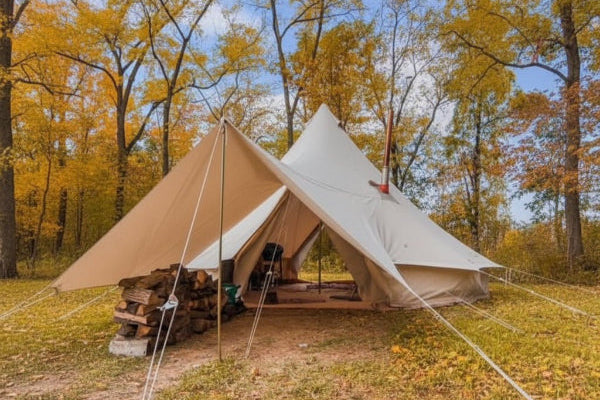
Why we recommend them: The Pro series is our most versatile collection, offering a variety of sizes and door options that make it a top choice for premium bell tents. All Pro series models feature durable 10 oz canvas, fireproofing, and an adjustable stove jack.
Weather & Maintenance Consideration: Extended humidity in rainy climates means you must monitor for moisture. Never pack up and store a wet tent for more than 24 hours without drying it out to prevent mold growth.

The Overland Sunforger (Best for Extreme Durability)
Why we recommend it: The Sunforger is the ultimate heavy-duty choice for wet and rainy environments. Crafted from 10.10 oz, double-weave, army duck Sunforger canvas, this tent is an exceptional barricade against wind and moisture. It comes equipped with a built-in adjustable stove-jack for safe wood-burning tent stove integration.
Weather & Maintenance Consideration: Its extra thick canvas is slightly less breathable and can trap moisture when not venhilated regularly.

Wall Tents (Best for Fast Weekend Pitching)
Why we recommend them: Wall tents are an exceptional choice for wet weather because their internal frame allows for a lightning-fast pitch and quick transport when storms approach. They feature a built-in stove jack for your wood-burning stove.
Wind & Shape Consideration: Straight vertical walls are inherently less aerodynamic than the classic conical shape of bell tents. Keep an eye on weather forecasts and secure your guy lines if you expect high winds.
Essential Gear Upgrades for Rainy Conditions
Standard tent setups can struggle against relentless rain and mud. Upgrading your kit with the right gear ensures your canvas stays fully waterproof, and continues to keep you dry.

HDPE Sunshade
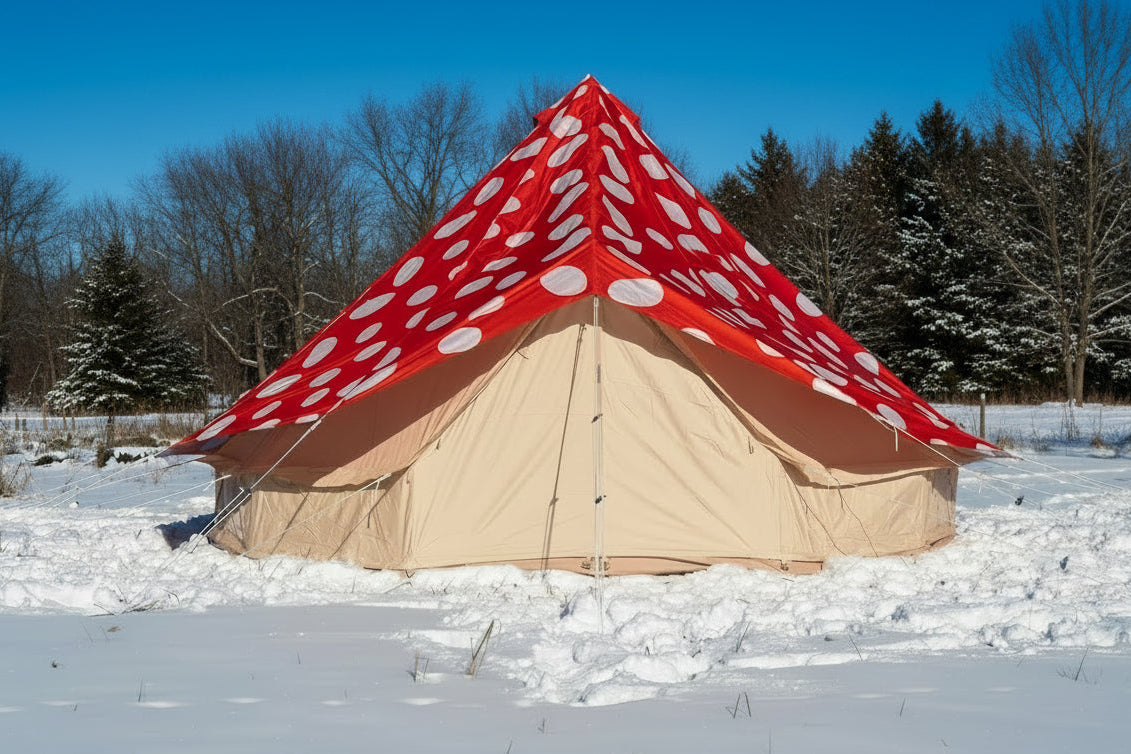
Climates like the American Pacific Northwest are unique because they are very wet & rainy during some seasons, but offer intense UV exposure during other seasons. A sunshade helps keep your canvas from deteriorating during the sunny seasons so that it is in peak condition to face the rainy season.

Rain Fly
Highly recommended for extended winter wet seasons, a durable rain fly provides an extra layer of defense against torrential rain while protecting your canvas from the forest's fallen leaves, bird droppings, and tree sap.

Footprint
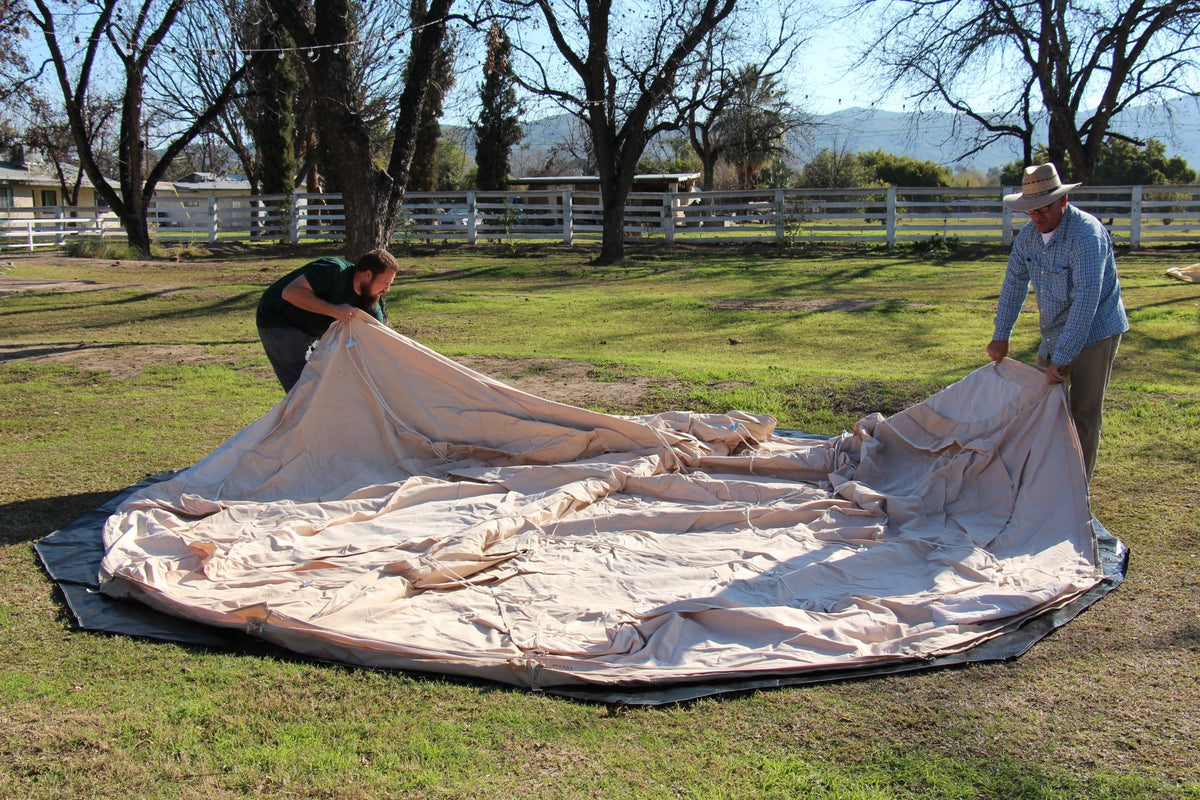
Essential for creating a moisture barrier underneath your sewn-in ground sheet, preventing ground water from seeping through under extended pressure.
Things to Know: Canvas Tent Care in Wet Climates Like the Pacific Northwest
Waterproofing & Weather Defense: While our canvas tents are naturally water-repellent, continuous downpours require proper setup and seam maintenance to ensure long-term performance. For a deep dive into maintaining your shelter against heavy moisture, explore our guide on The Ultimate Guide to Canvas Tent Waterproofing and Leak Prevention.
Mold & Mildew Prevention: Extended humidity means you must monitor your tent closely for dampness. If you need step-by-step cleaning protocols, check out our guide on How to Clean Mold from a Canvas Tent.
Proper Off-Season Storage: Ensuring your canvas is 100% bone-dry before long-term storage is the single most important step to preserving your tent's lifespan. Read our expert tips on How to Store Your Canvas Tent.
Heating & Condensation Control: Running a wood stove or internal heater helps drive down interior humidity during cold, wet months. For tried-and-true methods on keeping your camp warm and dry, review our guide on How to Heat Your Tent.
Ready to Equip Your Wet-Weather Campsite?
We have spent over a decade perfecting gear that stands up to the heaviest downpours, persistent humidity, and muddy terrain. Let us help you choose the right setup for your next rainy-season adventure.
Planning a Pacific Northwest Setup? Let’s Talk Gear.
If you have any questions, please fill in this contact form, and our team will reach you back as soon as possible.
Frequently Asked Questions About Rainy Climate Camping
We recommend pairing your setup with a footprint to protect your sewn-in floor from below, and utilizing an awning or a tarp setup over your entrance. This creates a dry "mudroom" space outside your zipper door so you can kick off wet boots and gear before stepping inside.
Proper tensioning is key! Always ensure your guy lines are securely staked and evenly tensioned so the canvas remains taut. A tight, uniform pitch allows rainwater to shed naturally off the steep conical or sloped roof instead of collecting in flat spots.
Yes! Running a wood stove is actually one of the best ways to combat internal condensation and humidity during cold, wet camping trips. Just ensure your stove is properly flashed and use seasoned dry wood.
Pack it carefully into your vehicle, but make it your absolute priority to pitch or hang it up to dry completely within 24 hours of returning home to prevent mildew.
Our canvas tents come factory-treated with high-grade water and mold-repellent finishes designed to handle heavy rain right out of the box. However, depending on usage frequency and UV exposure over the years, you can periodically reapply a specialized canvas waterproofing treatment (like Sunforger-compatible sealants) to maintain peak performance.