





How to Store Your Canvas Tent
If you’re looking up how to store your canvas tent, you’re in the right place! With years of experience in sewing, repairing, and manufacturing premium canvas tents, we rarely come across a tent we can’t fix. However, in the rare case that a tent is too far gone, we often discover it simply wasn’t stored properly.
Whether you’re packing away your bell tents & canvas camping gear for the off-season or just clearing space in the garage between trips, following a few golden rules will protect your investment for years to come.
1. Keep It Bone Dry
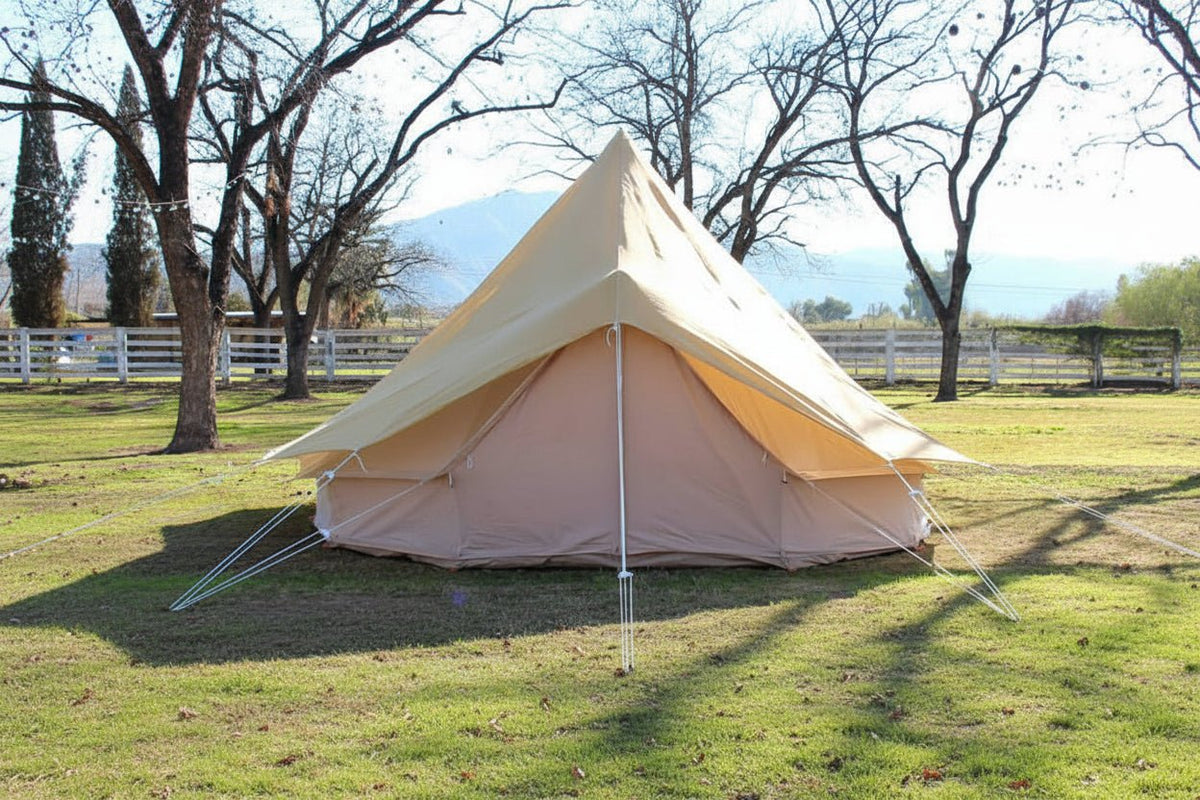
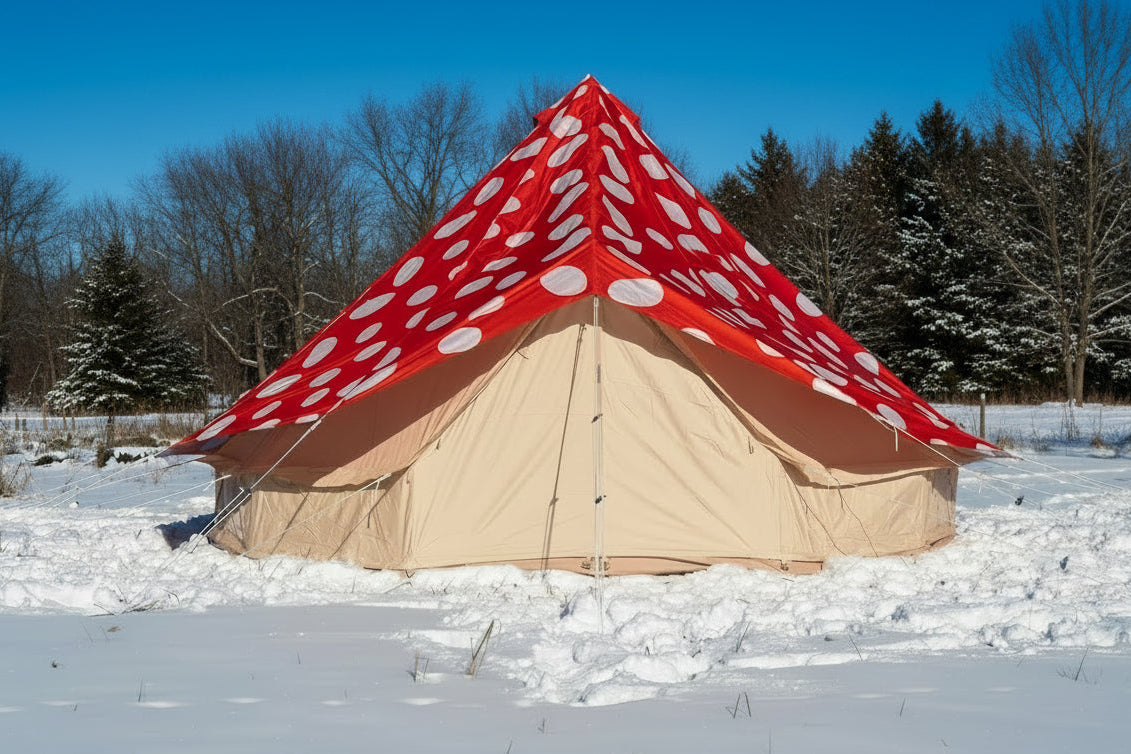
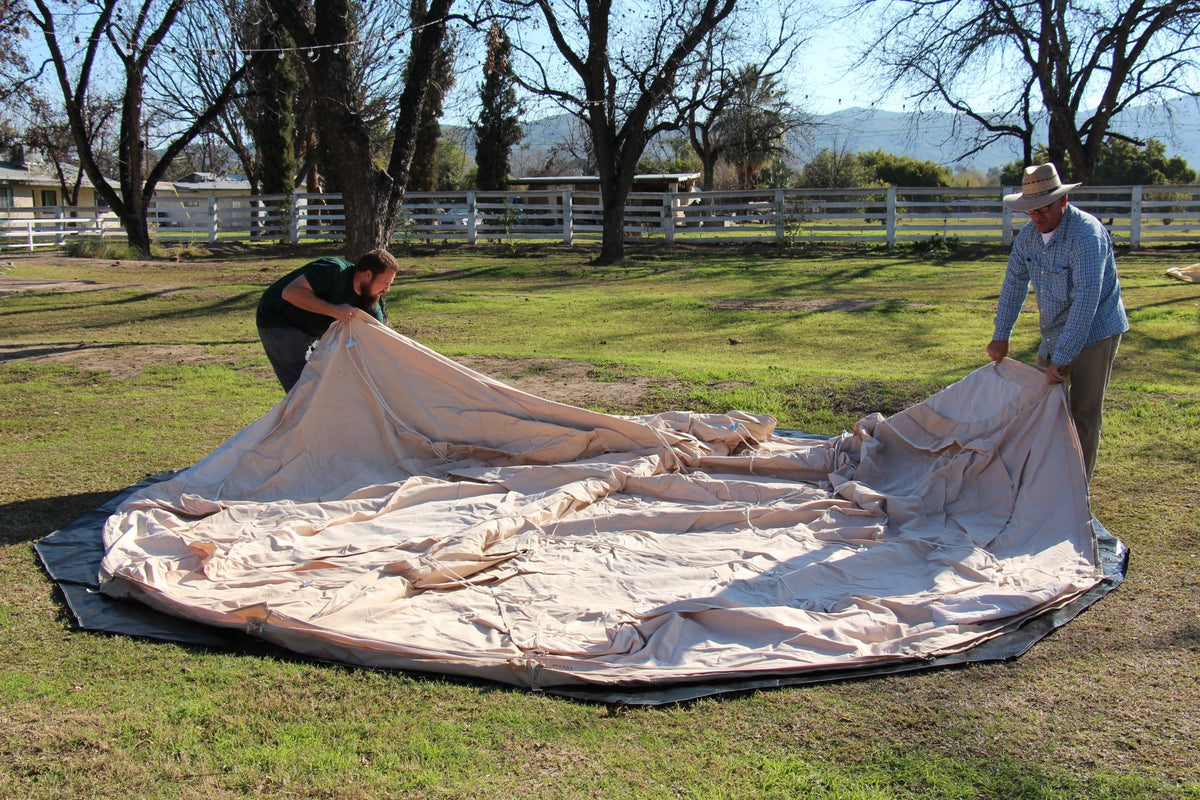
If you’re returning from a camping trip and your tent is damp—whether from rain, heavy morning dew, or snow—you need to dry it out completely. Set up your tent in your yard if you have the space. If not, hang or lay out the fabric in your garage or a large sheltered area.
-
Add ventilation: Maximize airflow by opening doors and windows, and use a standard box fan to keep air moving.
-
Watch out for condensation: A damp environment is a breeding ground for mildew. Check out our guide on managing tent condensation to prevent moisture traps.
2. Mind the Floor and Groundsheet
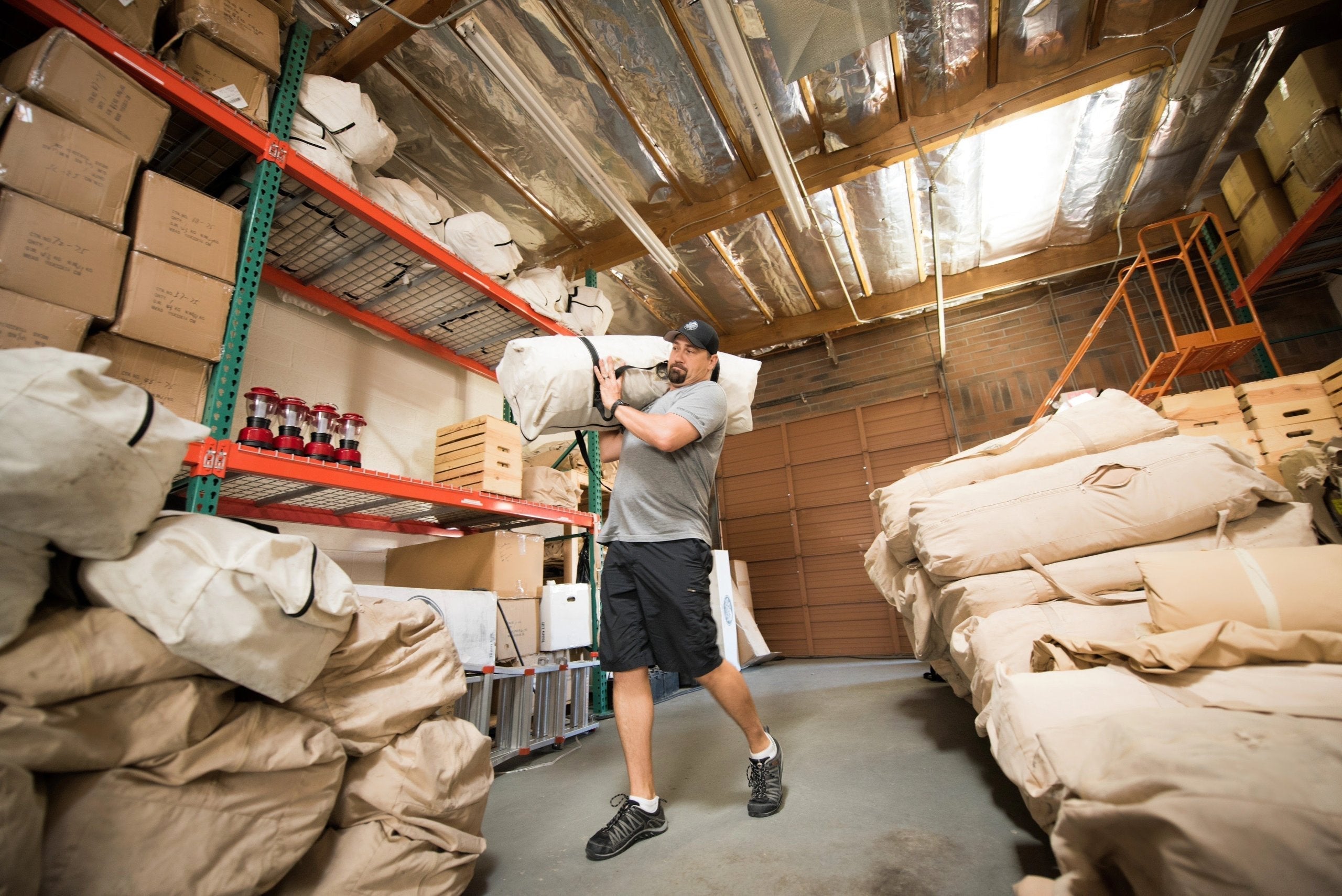
Store your tent OFF the floor. Standard storage areas like garages, sheds, and basements are prone to shifting humidity and occasional moisture issues. Keeping your tent elevated protects it from damp concrete.
Pro Tip: The canvas walls and roof might feel completely dry to the touch, but the heavy-duty PVC or vinyl groundsheet often holds onto trapped moisture. Always thoroughly towel off and dry the groundsheet before rolling or folding your tent.
3. Proof Your Storage Against Pests
Protect your shelter from unwanted wildlife. Consider packing your canvas tent and accessories inside a heavy-duty Rubbermaid tote or a large sealable plastic container. Keeping gear tightly sealed ensures that mice, spiders, and other pests can't nest in your canvas during long storage stretches.
4. Pack Along Moisture Absorbers
Stash a color-scale moisture absorber dehumidifier directly inside your storage tote. These packs let you monitor saturation levels at a glance so you know when it’s time to swap them out. If you prefer a simple DIY route, many seasoned campers swear by unscented wool socks filled with talcum powder (make sure to avoid baby powder!).
5. Clean Before You Store
Even if your tent looks relatively clean after a weekend at camp, always give it a thorough wipe-down or gentle wash (and remember: let it dry completely afterward!). Unseen dirt, mud splatters, and organic residue act as a food source for mold spores. Keeping your fabric spotless is the easiest way to prevent long-term degradation.
FAQ: Common Storage Questions
-
How long can you store a wet tent? As little time as possible! Sometimes you have no choice—like packing up 100+ tents in the rain after a major music festival. In those cases, we dry the floors as best we can, pack them, and then re-pitch them 4 to 5 days later to air out. If you must wait, remember that a cold, wet tent grows mold much slower than a warm, wet one (some campers even store damp gear in chest freezers temporarily until they have time to dry it!).
-
Should I store accessories together? Yes, keep your bell tent accessories and flooring (like stakes, poles, and carpets) clean and dry in separate bags within your main storage tote so everything is ready for your next tent setup.
Next Steps
Proper storage is the ultimate secret to making your canvas investment last for years of outdoor adventures. By keeping your tent bone dry, elevating your groundsheet, and protecting your gear from pests, you’ll avoid the heartbreak of mold and mildew.
Ready to gear up for your next campsite or upgrade your off-grid setup? Explore our complete collection of premium canvas tents & camping gear today!
Read more
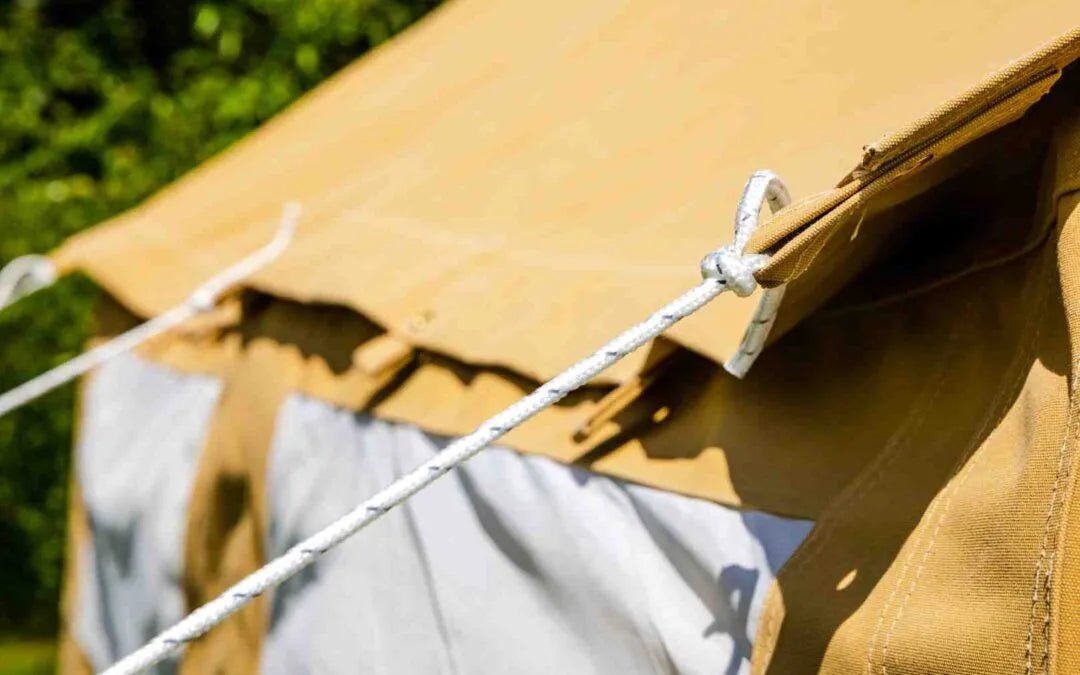
Master your camping tent rope. Learn to select, tie, and maintain guy lines for ultimate tent stability and weather resistance.

Planning a semi-permanent canvas setup? Learn what to expect regarding long-term durability, climate wear, maintenance best practices, and warranty details.