

High-Altitude & Cold-Weather Camping: Maximizing Heat Retention and Safety
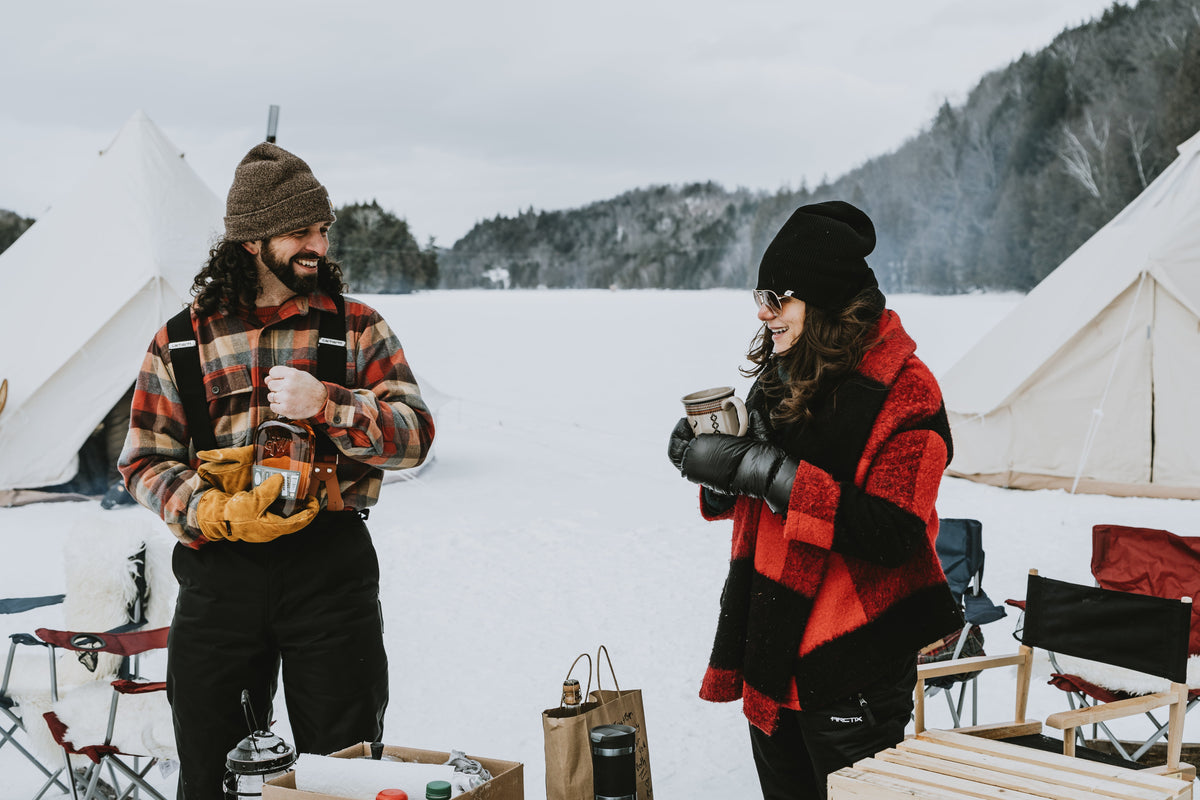
There is an undeniable magic to camping in the crisp, quiet stillness of winter or pitching your tent among high-altitude alpine peaks. The air is fresh, the crowds are gone, and the landscape transforms into a breathtaking backcountry sanctuary.
However, high-altitude and sub-freezing environments demand complete respect. When temperatures plummet and winter storms roll in, standard nylon tents become dangerously inadequate. They offer zero thermal insulation, buckle under heavy snow loads, and trap hazardous condensation.
At Stout Tent, our heavy-duty cotton canvas structures are engineered specifically to handle extreme weather, providing a warm, secure, and fully customizable basecamp for cold-weather adventurers.
💡 Tailor your setup to extreme weather: Discover expert winter camping advice and specialized gear pairings by exploring our regional guides for Snowy Climates (like the US Northeast) and Wet & Rainy Climates (like the Pacific Northwest).
The High-Altitude & Snow-Load Challenge: Why Canvas Wins
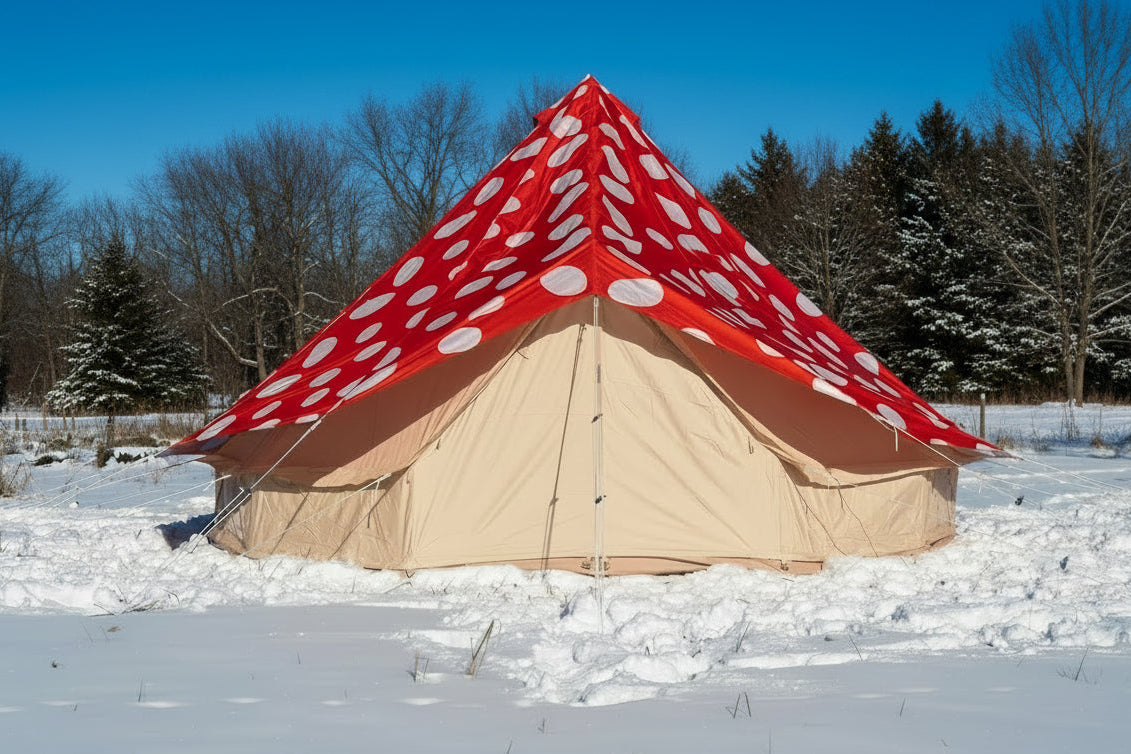
When you camp at higher elevations or in heavy snowfall regions, your shelter faces a dual threat: punishing winds and accumulating snow loads. Flimsy aluminum poles bend, and lightweight synthetic fabrics tear or sag under heavy weight.

Why Stout Tent Excels in Winter Conditions:
-
Heavy-Duty Framing & Pitch: Our Pro Series and wall tent collections utilize robust galvanized steel frames and thick spring steel poles that stand firm against howling mountain gales.
-
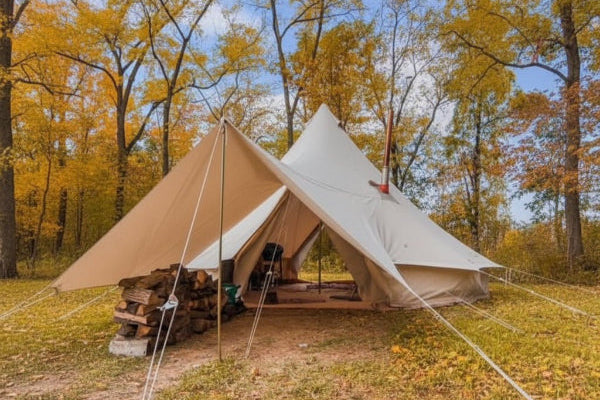
Natural Thermal Insulation: Unlike synthetic fabrics that let radiant heat escape instantly, dense 100% cotton canvas acts as a natural thermal barrier. It traps warmth inside your tent when paired with a wood stove, keeping interior temperatures remarkably comfortable while freezing winds howl outside.
Safe Heating: The Power of Stove-Jack Ready Tents
True cold-weather camping isn't just about surviving the cold—it's about staying genuinely cozy. That is why integrating a safe, reliable heat source is essential for multi-day winter excursions.
Best Practices for Tent Heating:
-
Use Built-In Stove Jacks: Never attempt makeshift chimney venting through tent fabric. All Stout Tent Pro and wall models feature built-in, adjustable stove jacks designed to safely accommodate wood stove stovepipes up to standard commercial diameters.
-
Proper Airflow: Even in freezing weather, maintaining proper cross-ventilation ensures your stove burns efficiently and prevents air stagnation.
🔥 Ready to upgrade your winter setup? Browse our top-rated guides on Stove-Jack Ready Tents and explore our collection of compatible Tents & Stoves.
Essential Cold-Weather Gear & Accessories
Maximizing your heat retention and safety requires a holistic approach to your camp setup:
-
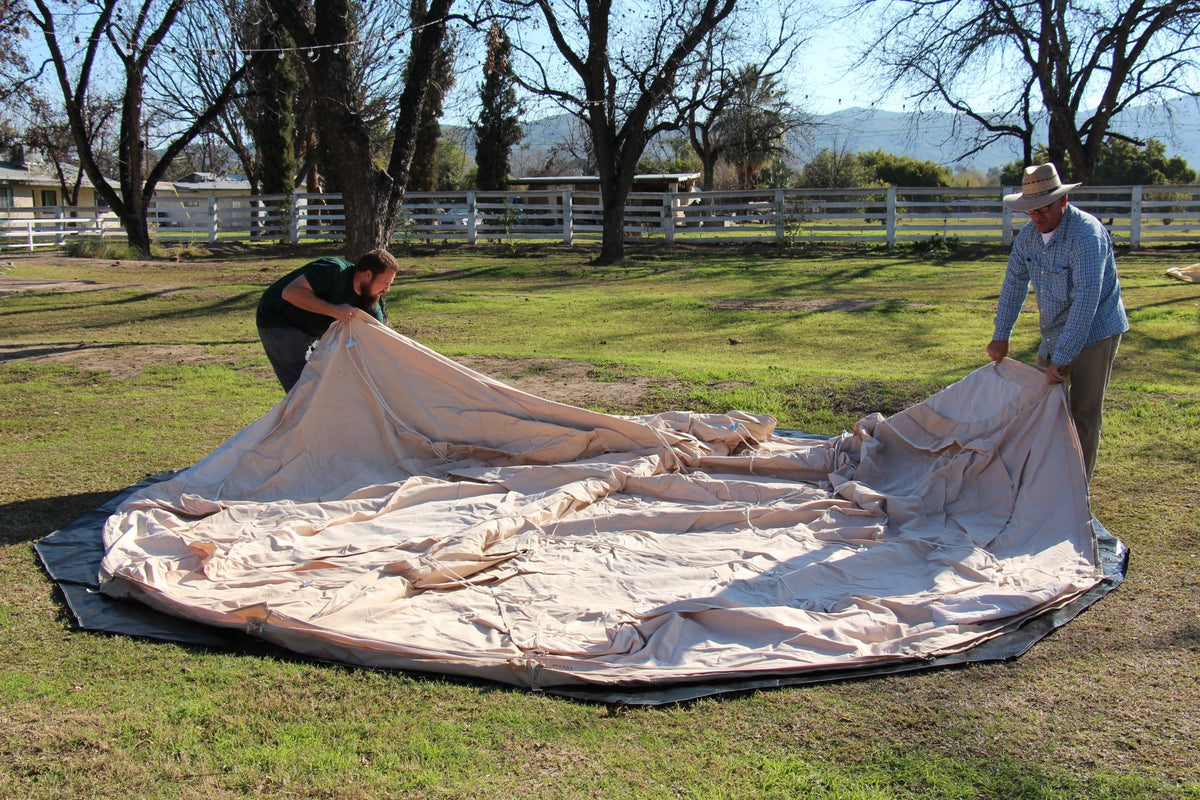
Groundsheets & Footprints: Protect your tent floor from frozen, rocky ground and prevent rising moisture from chilling your living space.
-
Heavy-Duty Anchoring: Frozen or rocky mountain soil requires robust hardware. Equip your site with heavy-duty Stout Tent Stakes and reinforced reflective guy lines to ensure your tent stays locked down through sudden blizzards.
-
Internal Layering: Insulate your tent floor with natural rugs or foam mats to stop ground chill from seeping into your sleeping area.
Equip Your Next Cold-Weather Expedition
Whether you are chasing snow flurries in the Northeast or setting up basecamp on a freezing mountain plateau, your shelter should be your strongest asset.
-
Explore Regional Guides: Review our expert tips for winter environments via our Snowy Climates (like the US Northeast) and Wet & Rainy Climates (like the Pacific Northwest) pages.
-
Shop Winter-Ready Gear: Head over to Stout Tent to explore our stove-jack ready Pro series, wall tents, and heavy-duty Stout Tent Stakes designed to conquer extreme terrain.
Read more
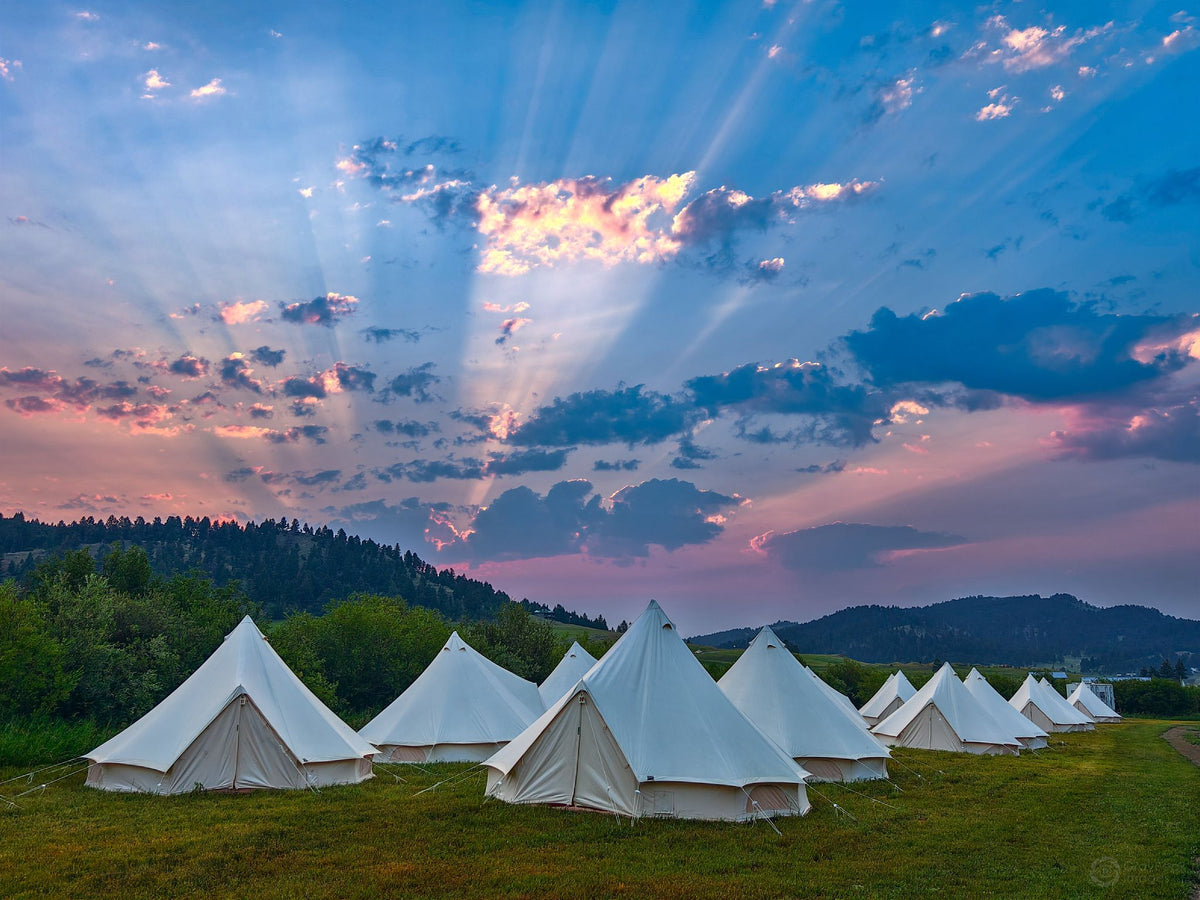
Wondering whether to invest in permanent yurts, domes, or canvas bell tents? Discover why starting lean with high-end canvas tents delivers faster ROI and lower risk for new glamping startups.
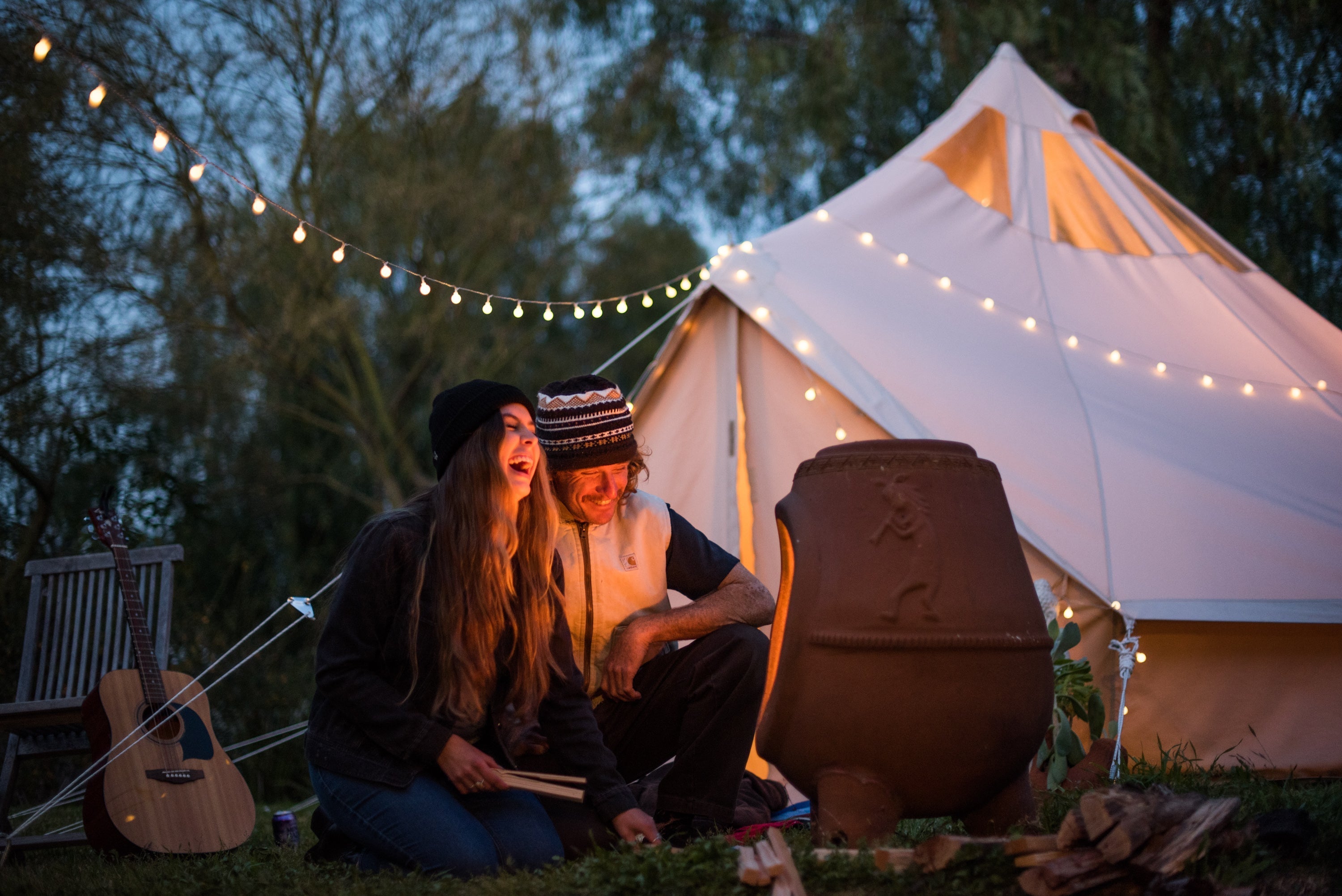
Ready to scale your glamping site from a few tents to a thriving resort? Discover how strategic wholesale B2B partnerships and bulk equipment sourcing maximize profit margins for growing outdoor br...