
The Essential Canvas Cleaning Routine
Cleaning your tent isn't just about aesthetics; it's about preserving the fabric's natural breathability and preventing mold.
-
Light Cleaning: Start by removing loose debris with a soft brush. For deeper cleaning, use a specialized fabric cleaner.
-
Professional Application: Use a cleaner like Gear Aid Revivex Pro Cleaner or CanvasCare Canvas Cleaner specifically formulated for outdoor fabrics. These products lift dirt and oils without damaging the canvas fibers.
-
Rinse Thoroughly: If using a solution, always rinse the fabric until the water runs completely clear of residue. Residual detergent can actually attract dirt and compromise water repellency.
Find full cleaning and care instructions in our Stout Tent Maintenance Guide.

Restoring Weather Protection
After cleaning, you must restore the fabric's ability to repel water. This is a critical step for maintaining a dry, comfortable interior.
-
Fabric Guard Application: Apply a treatment like 303 Fabric Guard Fabric Protectant Spray or 303 FABRIC GUARD WATER REPELLENCY TREATMENT to a clean, dry surface. These sprays strengthen the fabric's resistance to water and UV rays without sacrificing breathability.
-
Focus on Seams: Pay extra attention to seams, which are the most common points for water ingress. Ensure they are evenly coated for complete coverage.
-
Drying: Allow the treatment to dry completely before packing or using the tent. Proper drying is key to performance.
Field Repairs & Maintenance
Small snags should be addressed immediately to prevent them from becoming larger issues that could compromise the entire structure.
-
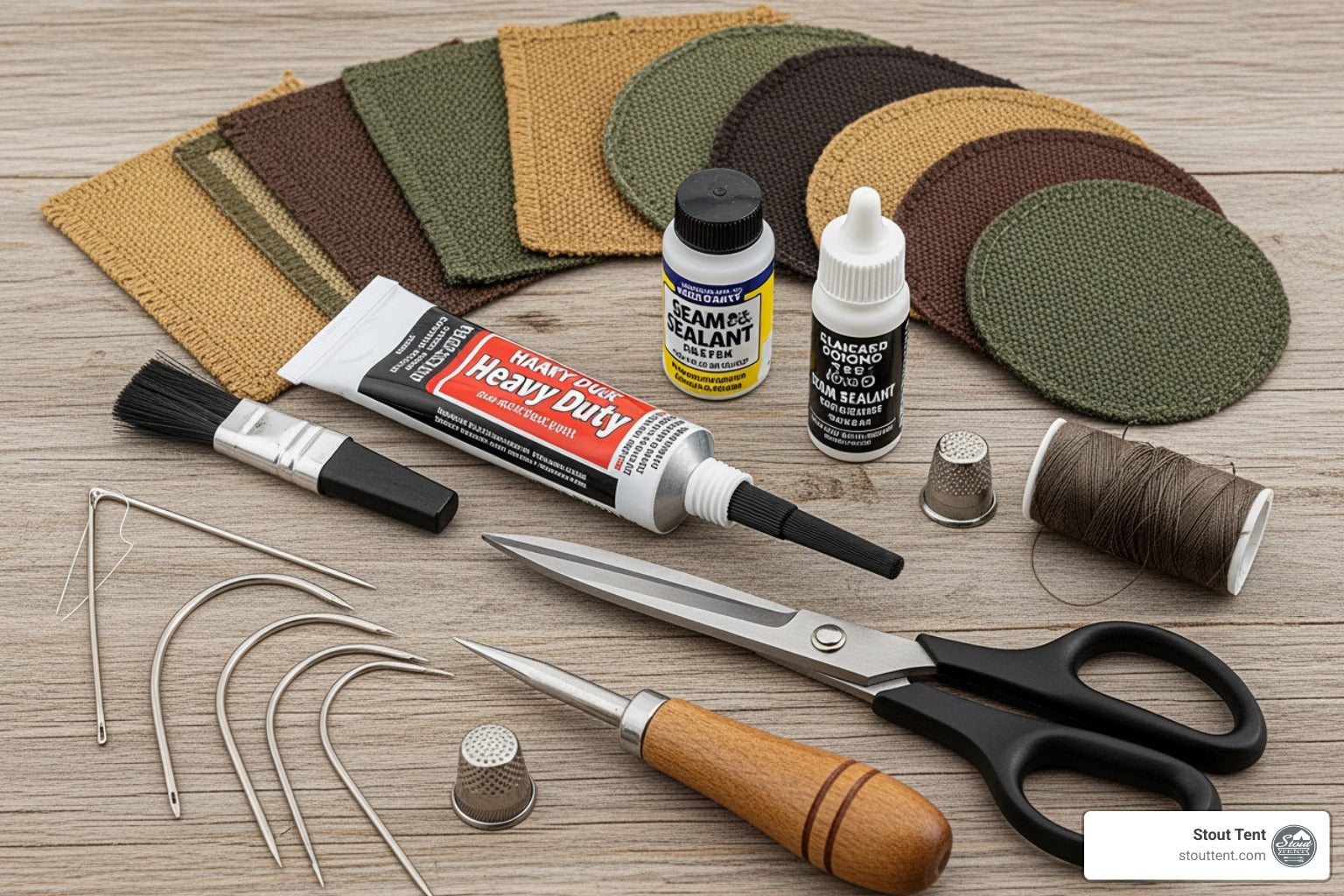
On-the-Go Kits: Keep a compact repair kit in your gear bag at all times. The Gear Aid Seam Grip Field Repair Kit or Gear Aid Camp & Trail Repair Kit are excellent for quick, waterproof repairs to canvas, nylon, and other technical fabrics.
-
Preventative Inspection: Before every trip, inspect your tent for loose threads, damaged stakes, or worn zippers. A few minutes of prevention at home can save you from a major headache in the backcountry.
Quick Tips for Longevity
-
Air It Out: Never store a tent while damp. Always allow your gear to dry completely to prevent mold and mildew, which are the fastest ways to degrade canvas.
-
Storage Matters: Store your tent in a cool, dry place out of direct sunlight when not in use.
-
Local Expertise: For significant repairs, connect with local boat sail shops or RV upholstery services. They have the industrial equipment needed for heavy-duty canvas work that most household machines cannot handle.
Contact our team today to get answers to your canvas care questions or to discuss custom packages for your next big project!
Read more
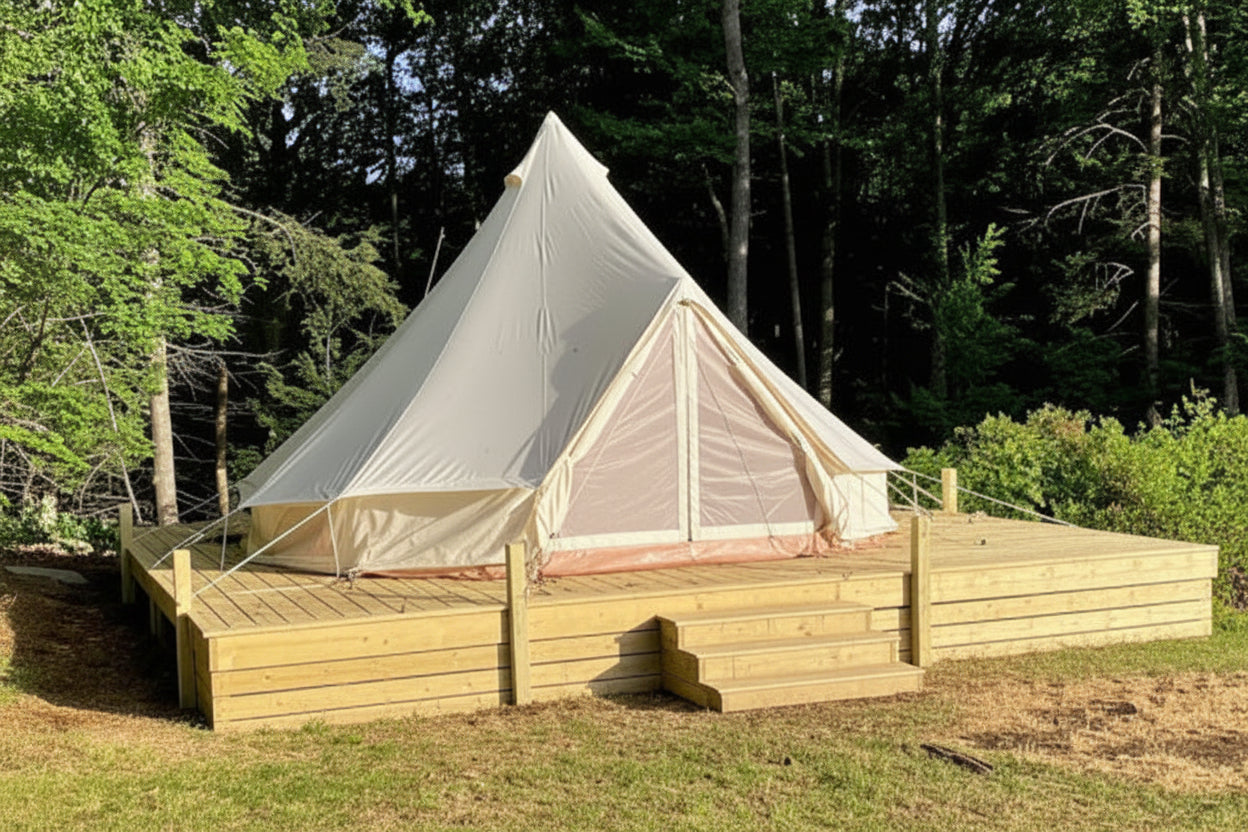
Tired of snapping poles and damp sleeping bags? Discover why seasoned campers are upgrading to canvas bell tents for superior durability, breathability, and all-season performance.

Stop canceling bookings! Learn how to build a 'spare fleet,' find local canvas repair experts, and use guest feedback to build a resilient, profitable glamping business.