



The Hidden Mold Trap: How to Properly Vent a Canvas Tent Built on a Wooden Deck
While setting up your canvas tent on a wooden deck or raised platform provides a great, elevated foundation, it introduces a hidden hazard that many campers don't realize until it's too late: the moisture trap.
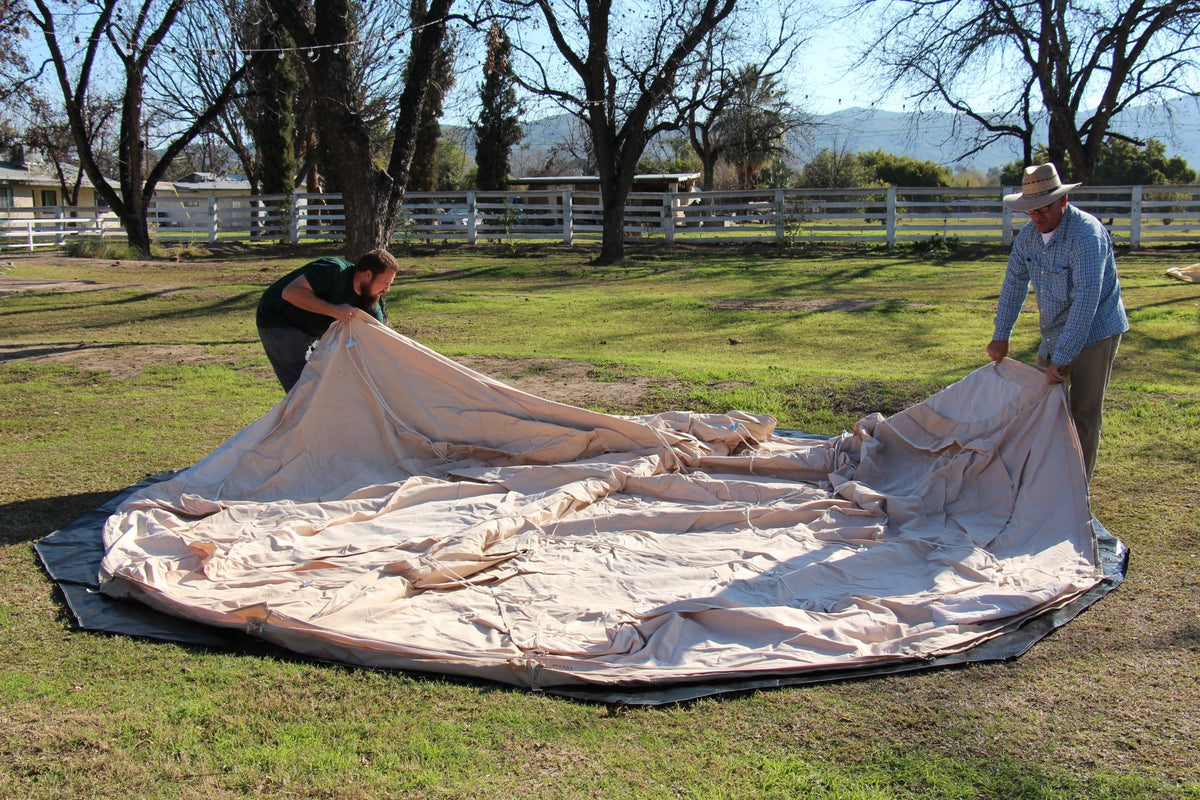
Campers across outdoor communities quickly learn that laying a tent's canvas floor or a thick groundsheet flat against solid wood decking creates a moisture seal. With condensation from body heat, ground humidity, and trapped rain having zero airflow escape route, hidden mildew and mold can start multiplying under your floor within weeks.
If you're planning an elevated setup, here is how to protect your investment, maximize camping deck airflow, and keep your shelter fresh.
1. Leave Strategic Gaps Between Deck Boards
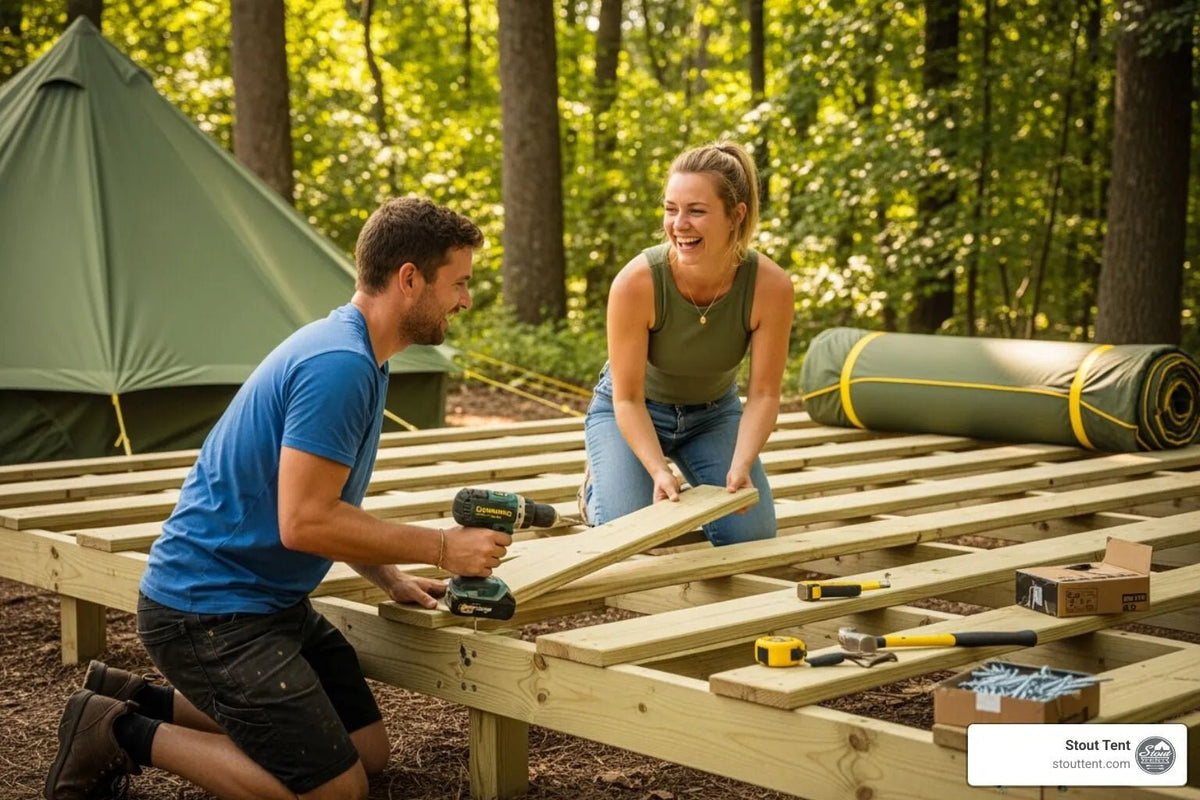
When building your platform, resist the urge to pack your lumber completely flush.
-
The Fix: Leave small, deliberate spacing gaps between your deck boards. This allows natural air currents to circulate directly underneath your tent flooring, preventing trapped condensation and ground humidity from feeding mold against your canvas floor.

2. Swap Solid Rubber Mats for Breathable Outdoor Rugs
Placing a heavy rubber mat, tarp, or indoor-outdoor plastic rug right outside or inside your tent entrance might look tidy, but solid non-porous materials seal in moisture like a lid on a pot.
-
The Fix: Use breathable, woven outdoor rugs or porous mats that allow moisture to evaporate freely rather than trapping puddles against the wood and fabric.
3. Elevate Your Interior Furniture
Letting heavy items, storage bins, or air mattresses rest flat against the floor blocks whatever little ventilation manages to sneak inside.
-
The Fix: Use raised cots, frame legs, or slotted pallets for your interior setup. Keeping furniture elevated lets air move continuously across the canvas surface.

Want to Learn More About Canvas Performance?
Not all fabric reacts to humidity the same way. If you want to dive deeper into how heavy-duty fibers handle coastal moisture and regional weather, read our guide on Beat the Humidity: Why Canvas is the Ultimate Choice for Midwest and East Coast Camping.
Already spotting signs of mildew from an old setup? Don't panic—our step-by-step tutorial on How to Clean Mold From A Canvas Tent walks you through safe restoration methods to get your tent looking and smelling brand new.
Get Ready for Autumn Camping: Planning your next off-grid setup or seasonal getaway? Explore our complete lineup of heavy-duty bell tents, wall tents, and weather-ready gear over at the Stout Tent Shop!
Read more
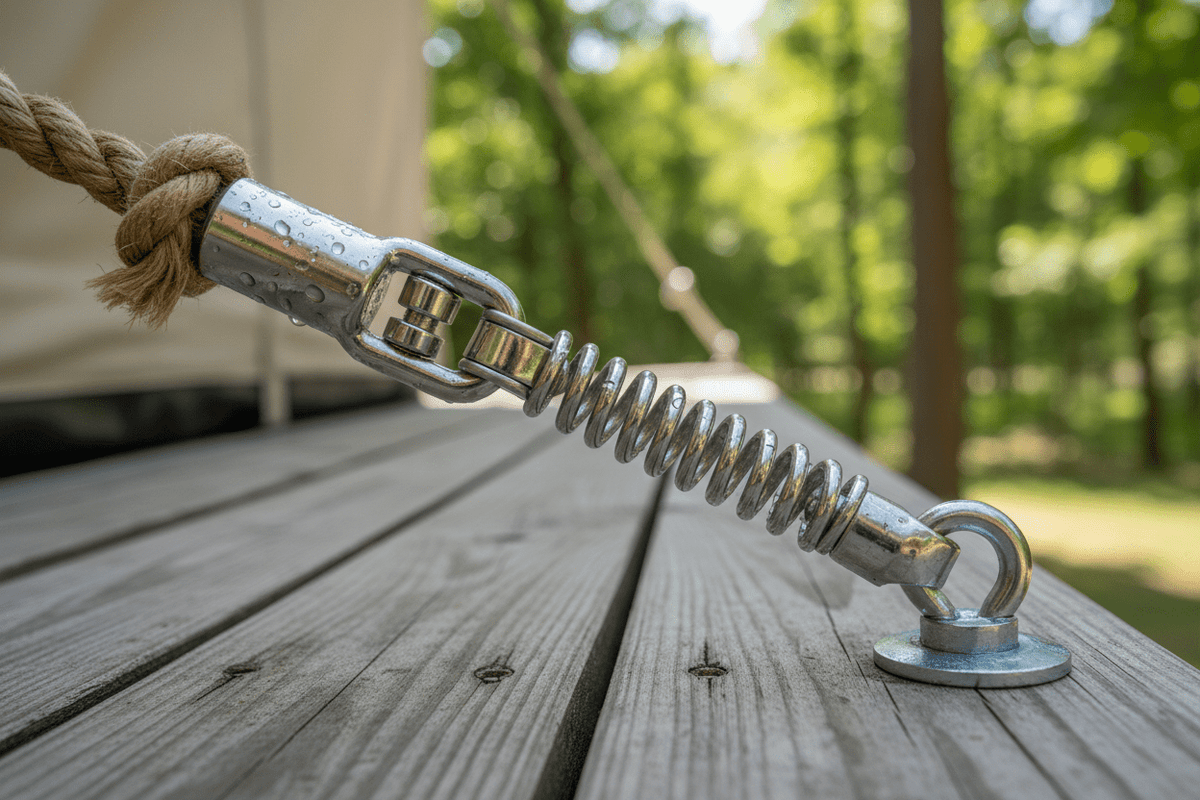
Moving your canvas tent from the ground to a wooden deck? Discover clever hardware hacks—from through-bolted eye bolts to tension-locking turnbuckles—to secure your setup without single-use stakes.
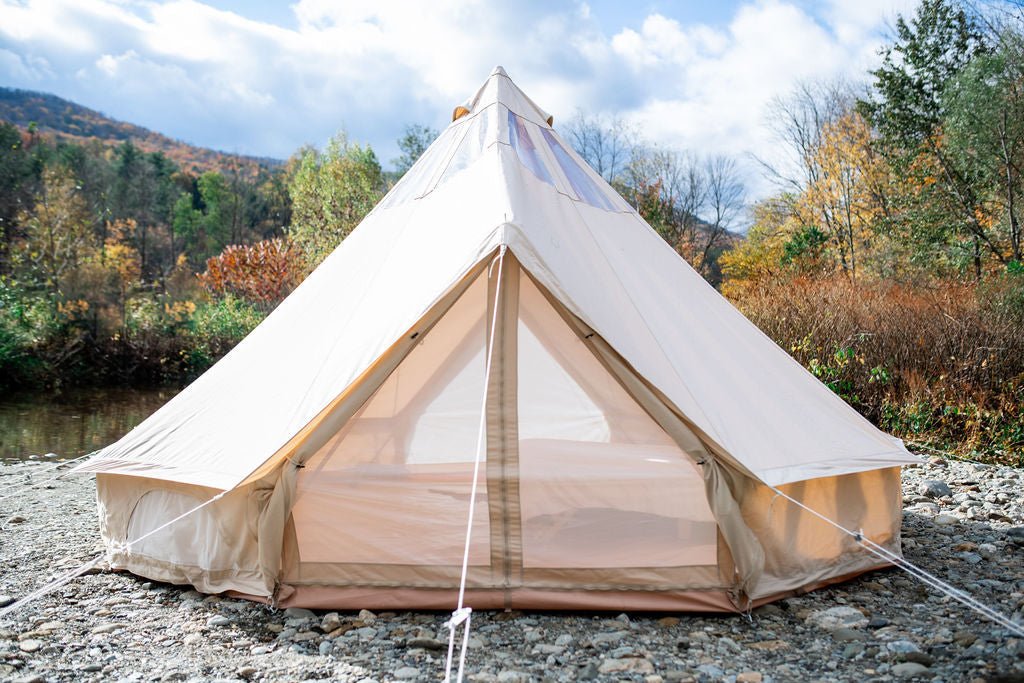
Discover the best autumn and winter boondocking spots in Texas, Arizona, and the Pacific Northwest. Learn why durable canvas tents are built to handle public land 14-day stay limits and hunting sea...