
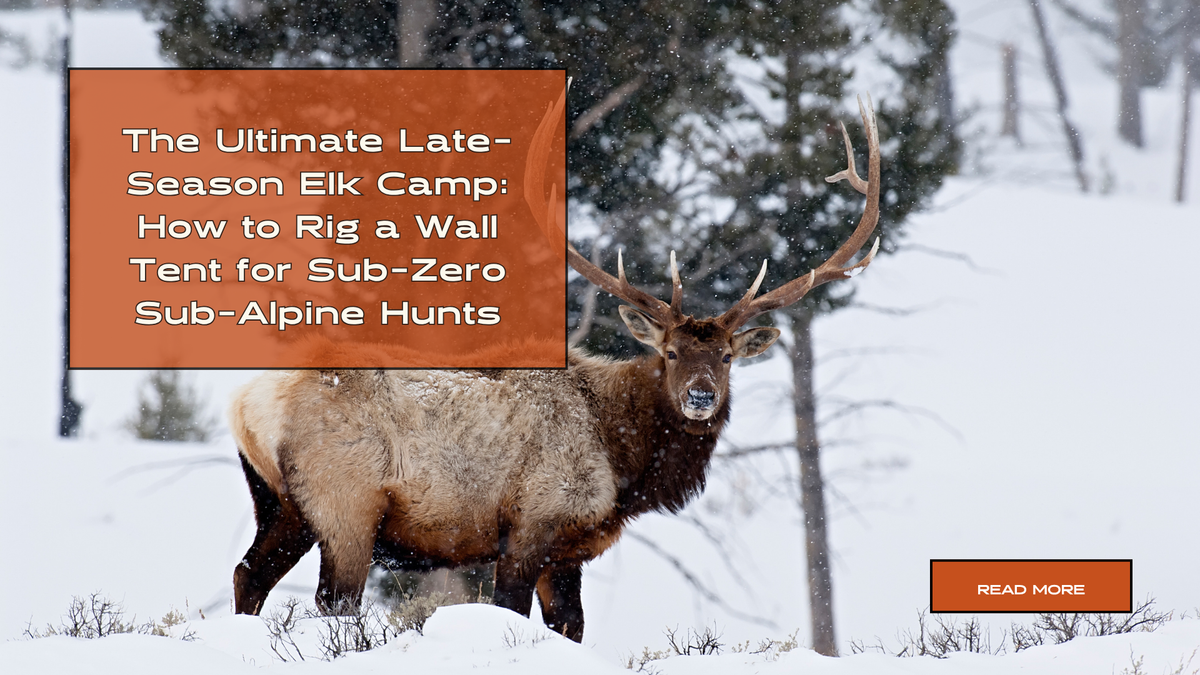
The Ultimate Late-Season Elk Camp: How to Rig a Wall Tent for Sub-Zero Sub-Alpine Hunts
When the late-season elk hunt rolls around, sub-alpine weather can turn from crisp to punishing in a matter of hours. Freezing winds, heavy timber, and sub-zero temperatures demand absolute gear reliability. While lightweight nylon shelters have their place in early-season archery, a heavy-duty canvas tent is the undisputed king of basecamp comfort when you need to dry out wet gear, cook warm meals, and recover from grinding days in the mountains.
For hunters looking for real-world advice on setting up a rugged backcountry basecamp, seasoned communities and discussions on the Rokslide Cold Weather Camp Forum, HuntTalk Elk Hunting Discussions, and Archery Talk Big Game Forums emphasize that a proper setup is what separates a successful hunt from a miserable retreat. Here is how to rig, heat, and maintain a canvas tent for late-season success.
1. Shelter Selection: Why Heavy-Duty Canvas Wins Sub-Zero Hunts
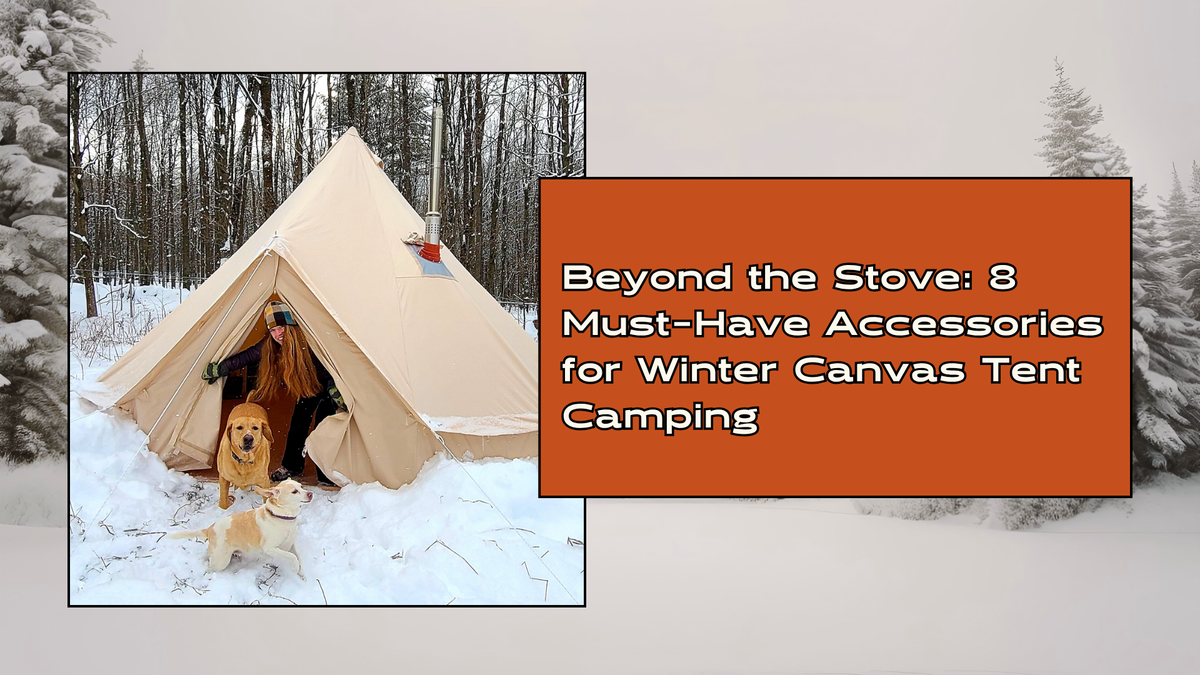
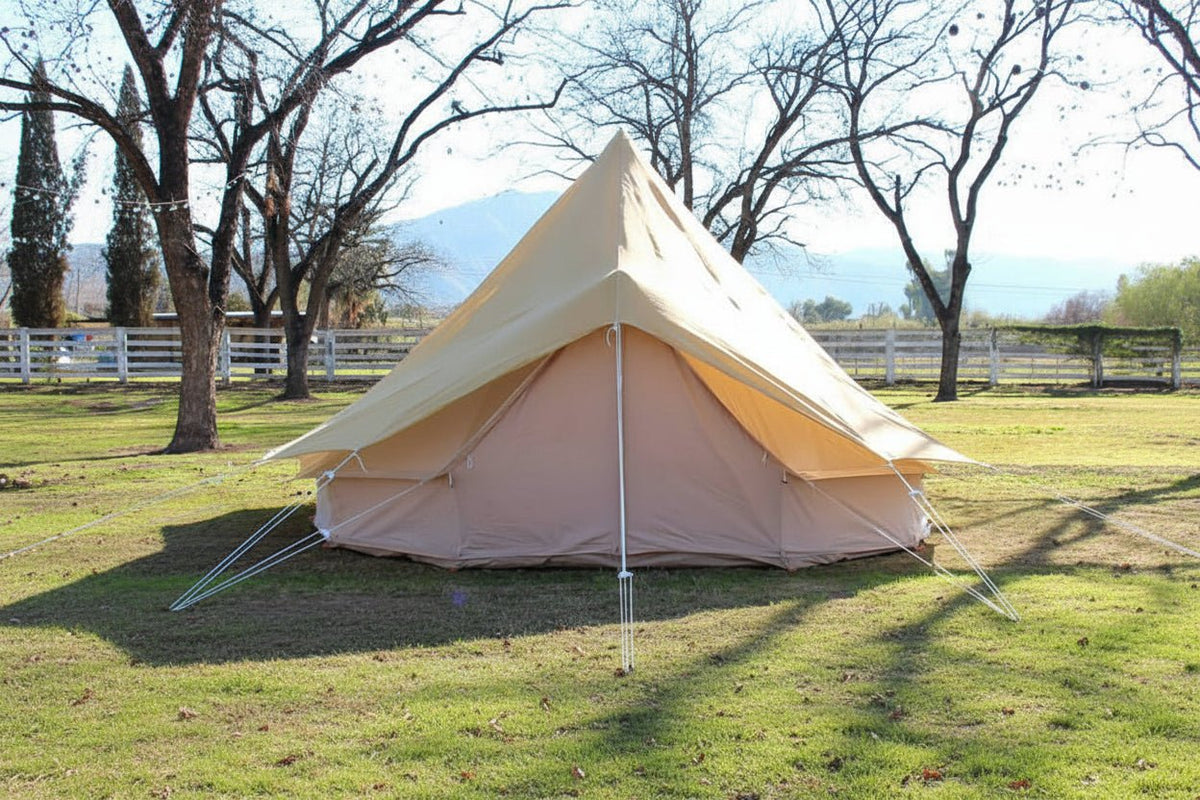
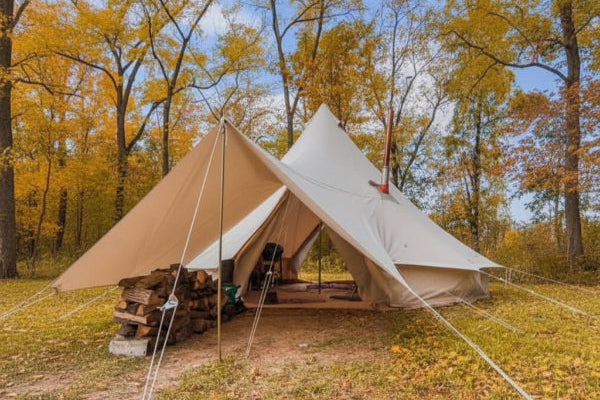
When temperatures plunge below freezing and snow loads threaten your roof, material integrity matters. While bell tents offer incredible versatility, traditional wall tents or rugged hybrid models like the Stout Tent Overland Sunforger Tent provide the structural height and vertical wall space necessary to comfortably house cots, wood stoves, and bulky winter gear without feeling cramped. Look for high-grade, treated cotton canvas that breathes naturally to mitigate condensation while shedding wind and snow.
 2. Framing Stability and Sub-Zero Anchoring
Frozen ground and high-altitude winds will test even the best stake setup. Standard wire stakes will snap or pull straight out of frozen soil.
-
Upgrade Your Anchors: Use heavy-duty steel rebar stakes or spiral ground anchors driven in with a cordless impact driver for speed and holding power.
-
Guyline Discipline: Extend high-tensile, reflective guylines at true 45-degree angles. Canvas tents carry massive surface area; failing to fully guy out your shelter invites structural shuddering during overnight gales.
-
Internal Frame Integrity: Ensure your internal frame is securely locked into place, distributing weight evenly so heavy snow sheets slide off rather than pocketing on the roof.
3. Continuous Wood Stove Management & Safety
A wood-burning stove is the heart of a late-season elk camp, but it requires tactical management. Experienced hunters know a wood stove won't burn all night unattended without careful stoking:

-
The "Bank the Fire" Strategy: Before turning in for the night, let the fire burn down to a bed of hot coals and pack it with dense hardwood logs to radiate steady heat for hours without overheating the tent.
-
Moisture & Gear Drying: Utilize the ambient heat to dry base layers, wool socks, and wet boots overnight so you step into warm gear before the morning glassing session.
-
Air Quality: Always maintain cross-ventilation by cracking a window or door opposite your stove to prevent carbon monoxide buildup.
4. Zone Layout: Sleeping, Working, and Wet Gear
An organized camp keeps morale high. Divide your tent floor plan into three functional zones:
-
The Sleeping Zone: Position cots toward the back of the tent, farthest from the high-traffic entrance and drafty doorways.
-
The Working Zone: Keep a folding table in the center for maps, GPS units, and optics maintenance.
-
The Entry Zone: Keep boots, wet outer layers, and muddy packs near the door on a dedicated ground tarp to prevent moisture from migrating to your sleeping quarters.
For additional regional strategies, climate-specific setup guides, and tactical insights, explore our comprehensive Stout Tent Snowy Climates Guide.
Conclusion: Built for the Backcountry
Late-season elk hunting is as demanding on your equipment as it is on your body. By investing in a rugged, breathable canvas shelter, anchoring securely against alpine gales, and mastering your basecamp heating system, you create a warm, reliable stronghold that keeps you hunting hard from first light to dark.
Explore our Overland Sunforger Tent and gear up your winter basecamp for your next big-game adventure.