


Mastering Canvas & Tent Repairs: A Comprehensive How-To
Mastering Canvas & Tent Repairs: A Comprehensive How-To
Canvas and tent repairs extend the operational lifespan of your glamping infrastructure and protect your Total Cost of Ownership (TCO). For commercial operators, hunting outfitters, and high-utilization businesses, repair strategy is a core part of asset management, not an afterthought.
Quick Repair Guide
-
Minor damage (small tears, holes under 0.05 m) — DIY patch and adhesive repair
-
Seam stress — Re-stitch with heavy-duty waxed thread and seal
-
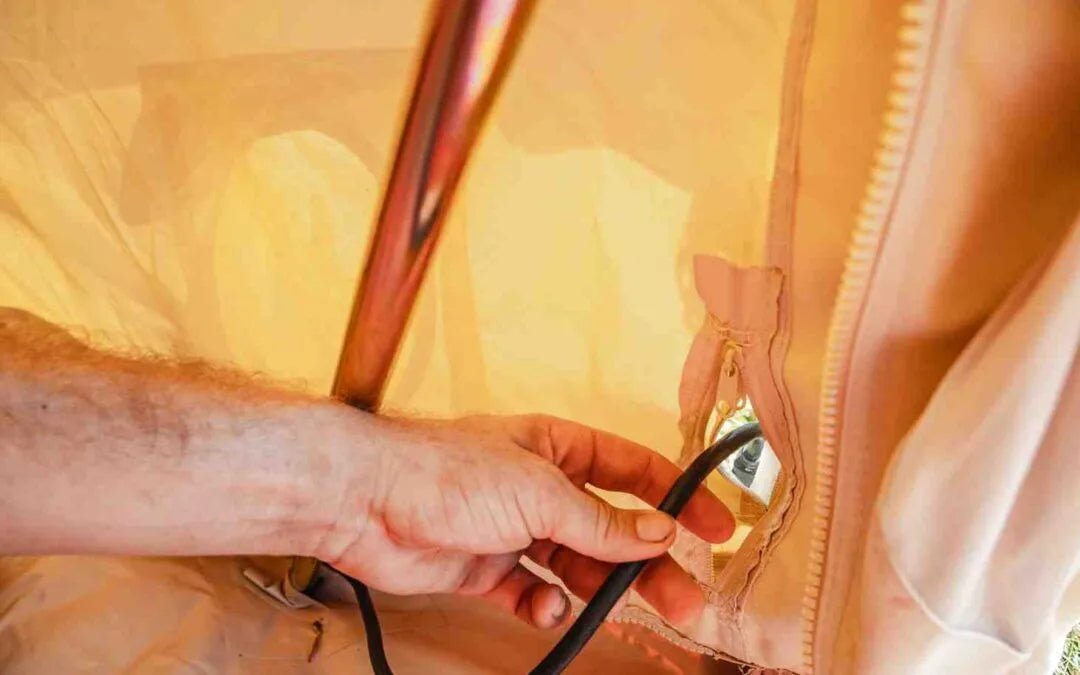
Zipper issues — Lubricate slider or replace track professionally
-
Ember holes — Canvas patch with professional-grade adhesive
-
Major tears (over 0.15 m) — Professional panel reconstruction
Canvas tents represent a significant capital investment for commercial operations. Unlike disposable alternatives that quickly degrade and demand full replacement, professional-grade canvas materials can be repaired and restored multiple times. This repairability fundamentally changes the economics of your tent fleet. A well-maintained canvas tent can serve guests or clients for years under demanding conditions, while targeted repairs typically cost a fraction of replacement.
This reduces lifecycle expenditure, stabilizes TCO, and limits operational downtime. The distinction between short-lived gear and repairable assets is critical for operators managing multiple sites or seasons. Commercial-grade canvas tents are built with heavier-gauge cotton duck, reinforced stitching, and robust hardware designed for restoration. When damage occurs, and it will under intensive use, the question is not whether to replace, but how to repair in a way that supports uptime, safety, and long-term value. Stout Tent supports canvas and tent repairs for high-use fleets around the world, from emergency field patches to full panel reconstructions. Expert-tested methods, professional-grade materials, and an understanding of tent construction allow commercial clients to maximize fleet longevity and protect return on investment across multiple seasons.
Seam Repair & Reinforcement
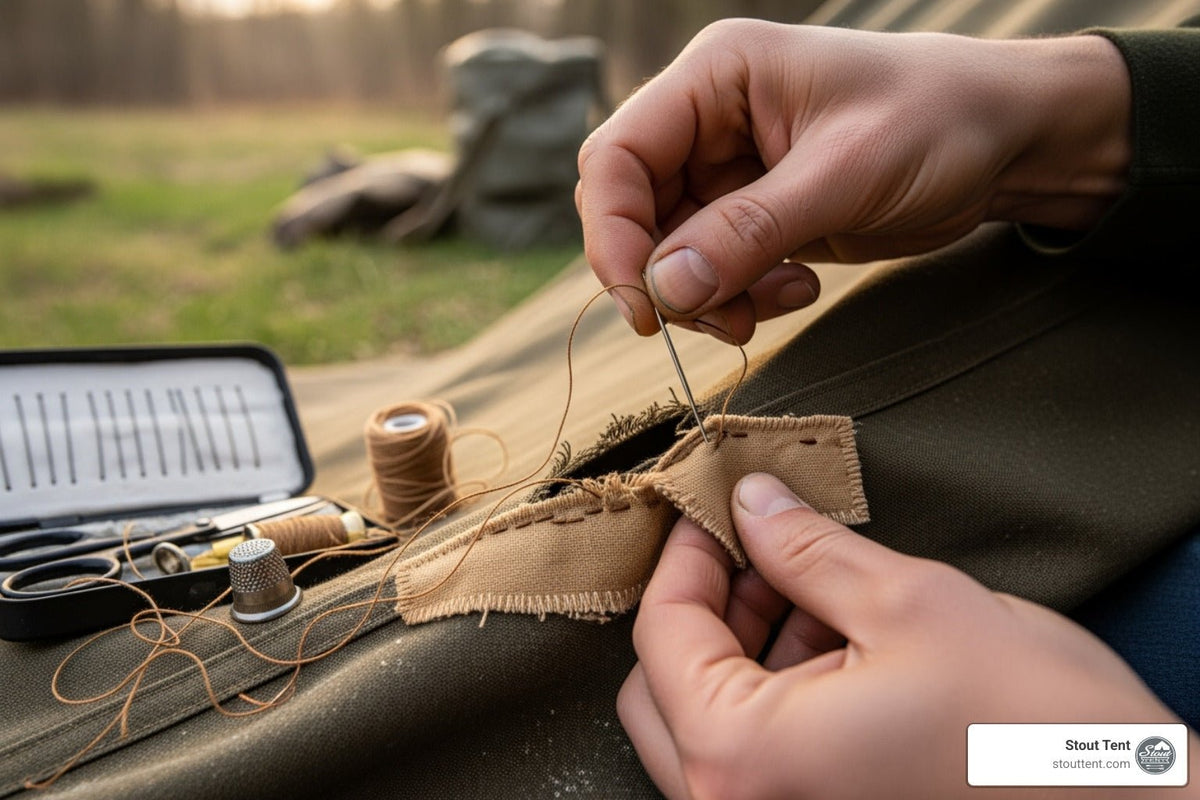
Over time, continuous environmental tension and UV exposure can weaken stitching along high-stress seams. Minor seam separations can be reinforced by re-stitching using a heavy-duty, UV-resistant waxed thread and sealing the needle holes with a liquid waterproof treatment. For a visual step-by-step walkthrough of how to approach these structural fixes, watch this Seam Repair Guide Video.
Initial Damage Assessment: Identifying Common Canvas Tent Issues
Before starting any canvas and tent repairs, a thorough and systematic assessment of the damage is paramount. This initial inspection determines the scope of repair, materials and methods required, and whether DIY intervention is feasible or if professional services are necessary. Common damage types encountered on canvas tents include:

-
Tears and Punctures: These range from small snags caused by gear or branches to larger rips from sharp objects or excessive force.
-
Ember and Spark Holes: A common issue, especially for tents utilizing internal heating sources like wood stoves. Hot embers can quickly burn small, circular holes in the canvas.
-
Seam Stress and Failure: Over time, continuous tension, UV exposure, and moisture can weaken stitching or fabric along seams, leading to separation or leaks.
-
Zipper Malfunctions: Zippers are high-wear components. They can jam, teeth can break, or the slider can become misaligned, compromising the tent's integrity and weather resistance.
-
Mold and Mildew Growth: Caused by damp conditions and improper storage, mold and mildew not only stain the canvas but can also degrade the fabric, leading to musty odor and structural weakening.
-
Hardware Damage: Broken snaps, torn grommets, or damaged guy line tensioners can impair the tent's ability to be properly pitched and secured.
Differentiating Minor from Major Damage
Understanding the difference between minor and major damage is crucial for effective canvas and tent repairs.
-
Minor Damage: These are typically small, localized issues that do not compromise the structural integrity of the tent. Examples include small tears or punctures (under 0.05 m) from pets, gear, or environmental factors; small ember holes; localized fraying of seams; and zipper sliders that are merely stiff or require lubrication. These minor repairs can often be addressed with a needle and thread or patch as a DIY project, saving significant time and resources.
-
Major Damage: These issues affect the tent's structural integrity, weather resistance, or are beyond the scope of typical DIY repair. Examples include large rips (over 0.15 m) or extensive tears; multiple, widespread holes; significant seam separations affecting large sections of the tent; broken zipper teeth, torn zipper tracks, or complete zipper failure; extensive mold or mildew growth that has deeply penetrated and weakened canvas fibers; and damage to critical load-bearing points, such as where guy lines attach or main support poles rest. For complicated repairs, professional repair shops familiar with canvas are recommended, as specialized equipment and expertise are usually required.
The Impact of Environmental Factors
Professional-grade canvas tents are engineered for resilience, but environmental factors are constant adversaries. Understanding their impact is key to minimizing damage and extending investment life.
-
UV Degradation: Prolonged exposure to ultraviolet (UV) radiation from the sun can weaken canvas fibers, leading to fading, brittleness, and eventual fabric breakdown. This is particularly prevalent in sunny regions like Phoenix, Arizona, or the US Southwest.
-
Moisture Damage: Beyond causing mold and mildew, persistent dampness can also lead to fabric rot and accelerate the breakdown of waterproofing treatments and seam sealants.
-
Pest Damage: Mice, mites, and other critters are significant threats to tents, especially during storage. They can chew through canvas, create nests, and leave behind waste that can lead to further degradation. This often occurs when tents are stored improperly or in accessible areas.
-
Abrasion from Setup and Takedown: Repeated friction against rough surfaces, improper folding, or dragging the tent can cause wear and tear, particularly on high-contact areas like the floor and reinforced stress points.
Proactive maintenance and thoughtful handling significantly mitigate these risks, ensuring your tent remains a durable asset for years to come. Learn more about our durable bell tents.
Professional-Grade Canvas and Tent Repairs: Methods & Materials
Effective canvas and tent repairs demand the right methods and professional-grade materials. Whether you're performing emergency field repairs or more permanent workshop-level fixes, our expert-tested approach emphasizes durability and structural integrity, ensuring repairs hold up to demanding conditions.

Assembling Your Essential Field Repair Kit
A well-equipped field repair kit is an indispensable asset for any glamping operator or serious outdoor enthusiast. It allows for immediate action, preventing minor damage from escalating into major problems. For emergency field repairs, we recommend the following professional-grade materials:
-
Heavy-Duty Canvas Patches: Pre-cut or cut-to-size pieces of durable canvas, ideally matching the weight and color of your tent.
-
Professional-Grade Canvas Adhesive: A strong, flexible, and waterproof adhesive designed for canvas. Products like Tear Mender are recommended for uncomplicated repairs where the canvas is structurally sound enough for adhesion. For quick, temporary fixes, a high-quality repair tape is an excellent emergency solution.
-
Industrial Sewing Awl: A specialized tool that allows you to hand-stitch through thick canvas and heavy-duty webbing in the field without needing a heavy sewing machine.
-
Waxed Nylon or Polyester Thread: Standard cotton thread will rot under weather exposure; always use UV-resistant, waxed heavy-duty thread for structural stitches.
-
Seam Sealer: A silicone- or polyurethane-based liquid seam sealer to restore waterproof integrity over newly stitched or patched areas.
Got Questions About Your Tent Maintenance or Repairs?
Every environment brings its own unique wear and tear—whether you're managing a commercial glamping resort, a hunting outfit, or a long-term homestead setup. If you need advice on complex panel reconstructions, structural care, or want to explore our Long-Term Maintenance Guide, reach out to our team. We are always here to help you protect your investment and keep your fleet field-ready.
Read more
Discover everything you need to know about choosing, installing, and safely operating a wood-burning stove in your canvas tent for ultimate cold-weather comfort.
Extend your tent’s life! Learn to identify wear, choose, and install essential tent replacement parts for durability & sustainability.