

The Woodstove Guide: Choosing, Setting Up, and Heating Your Canvas Tent Safely
The Woodstove Guide: Choosing, Setting Up, and Heating Your Canvas Tent Safely
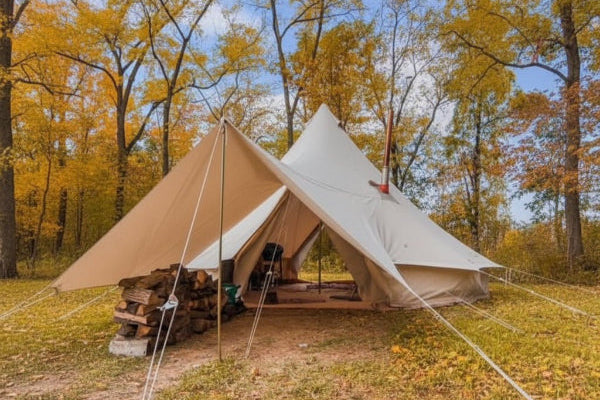
Wood stoves are a quintessential addition to tents, providing reliable warmth and ambiance during outdoor adventures, particularly in colder seasons. When you treat heavy-duty canvas as a semi-permanent shelter rather than a lightweight weekend pop-up, understanding how to manage your heat source is critical for protecting your investment and staying comfortable.
At Stout Tent, we’ve spent years supplying gear and managing large-scale setups for music festivals, glamping villages, and endurance events. We’ve seen firsthand what it takes to keep a shelter warm when temperatures drop and the weather turns.
Why Choose a Wood Stove to Heat your Tent?
For long-term campouts, winter homesteads, and deep-wilderness setups, a wood-burning stove, especially a high-end model like a Winnerwell Woodlander or a heavy-duty Four Dog Stove, is the gold standard.
-
Dry Heat: Unlike propane, which off-gases water vapor and introduces condensation, a wood stove pulls humidity out of the air, keeping your interior dry and comfortable.
-
Durability: A quality stainless steel or cast-iron stove will literally last a lifetime.
-
Field-Sourced Fuel: You can find or cut firewood on-site, making it a reliable off-grid solution.
Note: Always set up your wood burner outside for an initial hot, dry run first so it can completely burn off the factory paint fumes before taking it into your tent!
Sizing Your Stove to Your Tent Footprint
Choosing the right size stove for your canvas shelter ensures efficient heating without scorching your space or forcing you to reload every hour:
-
Compact / 3M–4M Tents: Smaller, portable stoves heat up quickly and suit tight spaces, but they feature smaller fireboxes and require more frequent reloading during freezing nights.
-
Mid-to-Large / 5M–6M Pro Tents: Larger fireboxes hold logs longer, burn more efficiently overnight, and radiate steady heat across a massive interior volume without choking out.
Key Steps for Safe Operation
-
Master the Draft: Proper airflow prevents smoke from backing up into your living space. Learn how to adjust your dampers and burn dry, seasoned wood cut into 6-to-12-inch pieces.
-
Protect Your Canvas & Floor: Ensure your stovepipe is correctly fitted through an insulated Stovejack Installation to protect your canvas fabric from high heat. Always use a hearth board or floor protector underneath the stove to shield your tent flooring from sparks and radiant heat.
-
Equip a Spark Arrestor: Always run a spark arrestor cap on top of your stovepipe to catch flying embers before they land on your canvas roof.
-
Plan for Overnight Fuel: Wood stoves require attention. You will need to plan your logs and wake up periodically to re-fuel during freezing nights.
Troubleshooting Common Stove Issues
-
Smoking on Startup: Usually caused by a cold flue pipe creating a downdraft. Fix: Burn a small piece of newspaper or kindling directly near the damper or stovepipe opening to prime the draft before lighting your main fire.
-
Creosote Buildup: Wet or unseasoned wood causes black, tarry buildup in the pipe. Fix: Burn only dry hardwoods and inspect/clean your stovepipe periodically.
-
Fire Dying Out Fast: A symptom of damp wood or restricted airflow. Fix: Switch to seasoned hardwoods cut into 6-to-12-inch lengths.
Explore More Ways to Heat Your Shelter
Wood stoves are our top recommendation for off-grid durability, and our comprehensive Wood Stove Guide will help you determine which stove is best for your camping setup. That said, we understand that they aren't the only heating option depending on your location and power access. If you are comparing wood stoves against other reliable setups like propane or electric heaters for backyard campouts or powered sites, read our comprehensive guide on How to Heat Your Canvas Tent.
Watch Our Winter Camping & Stove Guides in Action
Want to see these stove-building techniques and cold-weather setups in real time? Watch our complete Winter Camping in a Canvas Tent playlist below for step-by-step video tutorials from our outdoor living experts:
Got Questions About Your Setup?
Every climate and camping environment brings its own unique set of challenges. Whether you need advice on stove jack compatibility, choosing the right size stove, or planning a long-term canvas layout, reach out to our team. We’re always here to help you keep your setup safe, warm, and ready for the elements.
Read more
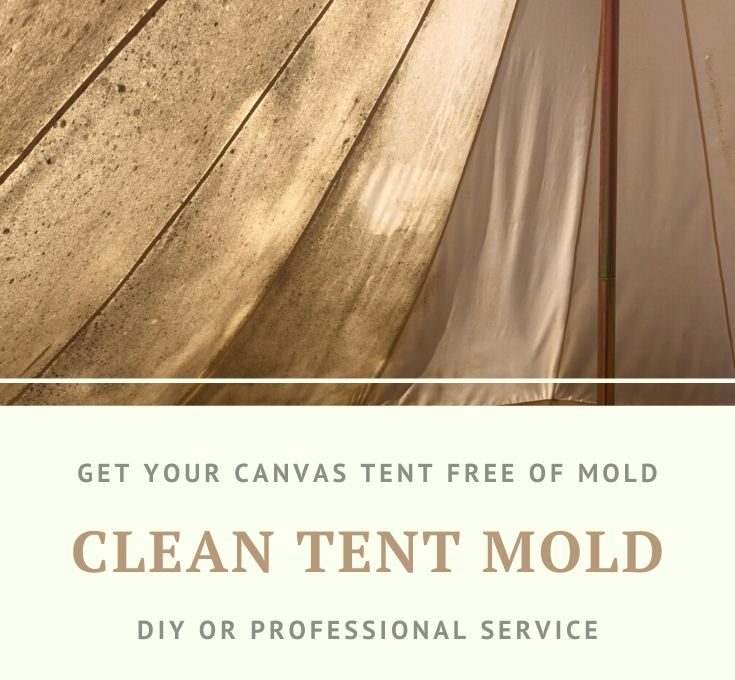
Avoid harsh household cleaners! Discover why using vinegar or bleach to remove mold will ruin your tent's fibers, and learn the right way to protect your shelter.
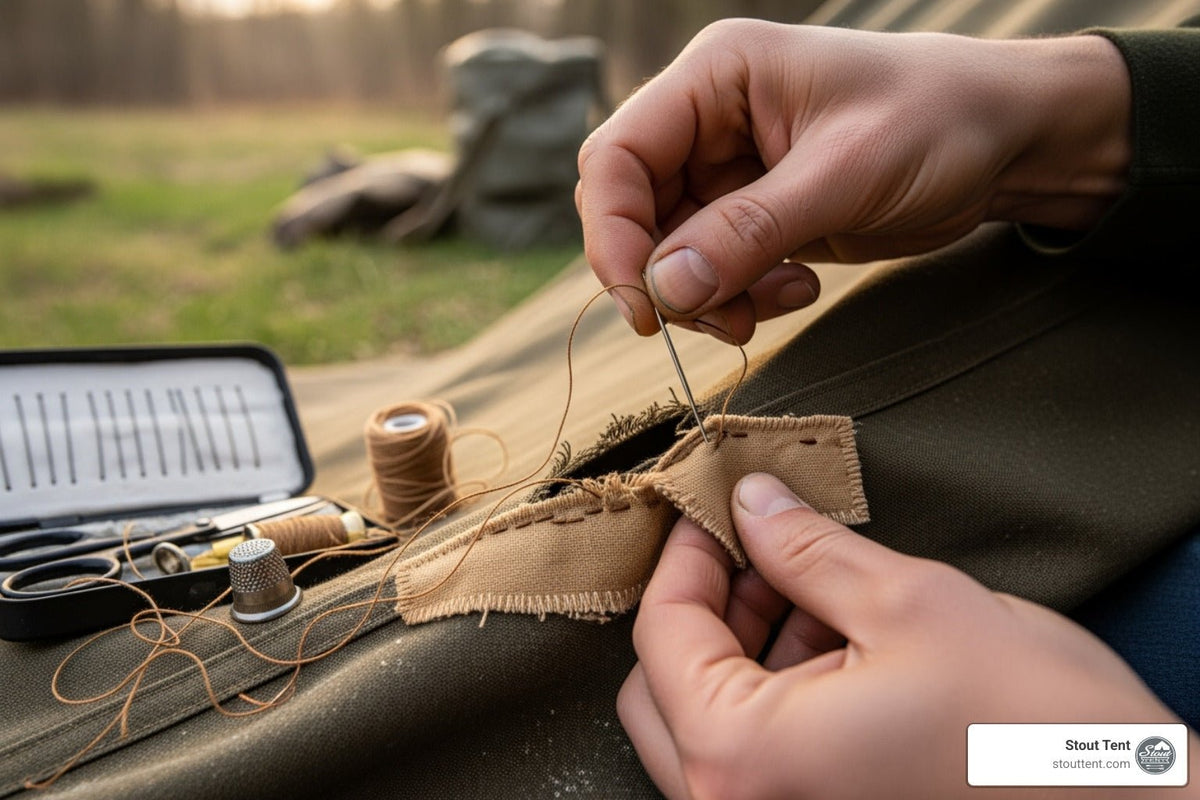
Master canvas and tent repairs. Learn professional damage assessment, essential field repair kits, patching techniques, and preventative care to maximize your tent's lifespan and ROI.