

Why a Small Tent Wood Stove Transforms Your Canvas Shelter Experience
A small tent wood stove is a wood-burning heating appliance specifically designed for safe use inside canvas tents, providing radiant heat, cooking capability, and moisture control in remote or cold-weather environments. When properly installed with a stove jack and flue pipe system, these stoves enable comfortable four-season camping in canvas shelters while maintaining a dry, warm interior.
Quick Selection Guide for Small Tent Wood Stoves:
- For Bell Tents Under 5m: 3kW stove with 60mm (2.4″) flue pipe
- For Bell Tents 5-6m: 4kW stove with 80mm (3.1″) flue pipe
- For Bell Tents Over 6m+: 5kW stove with 100mm (4″) flue pipe
- Material Options: Heavy-gauge steel for durability and heat retention; stainless steel for corrosion resistance
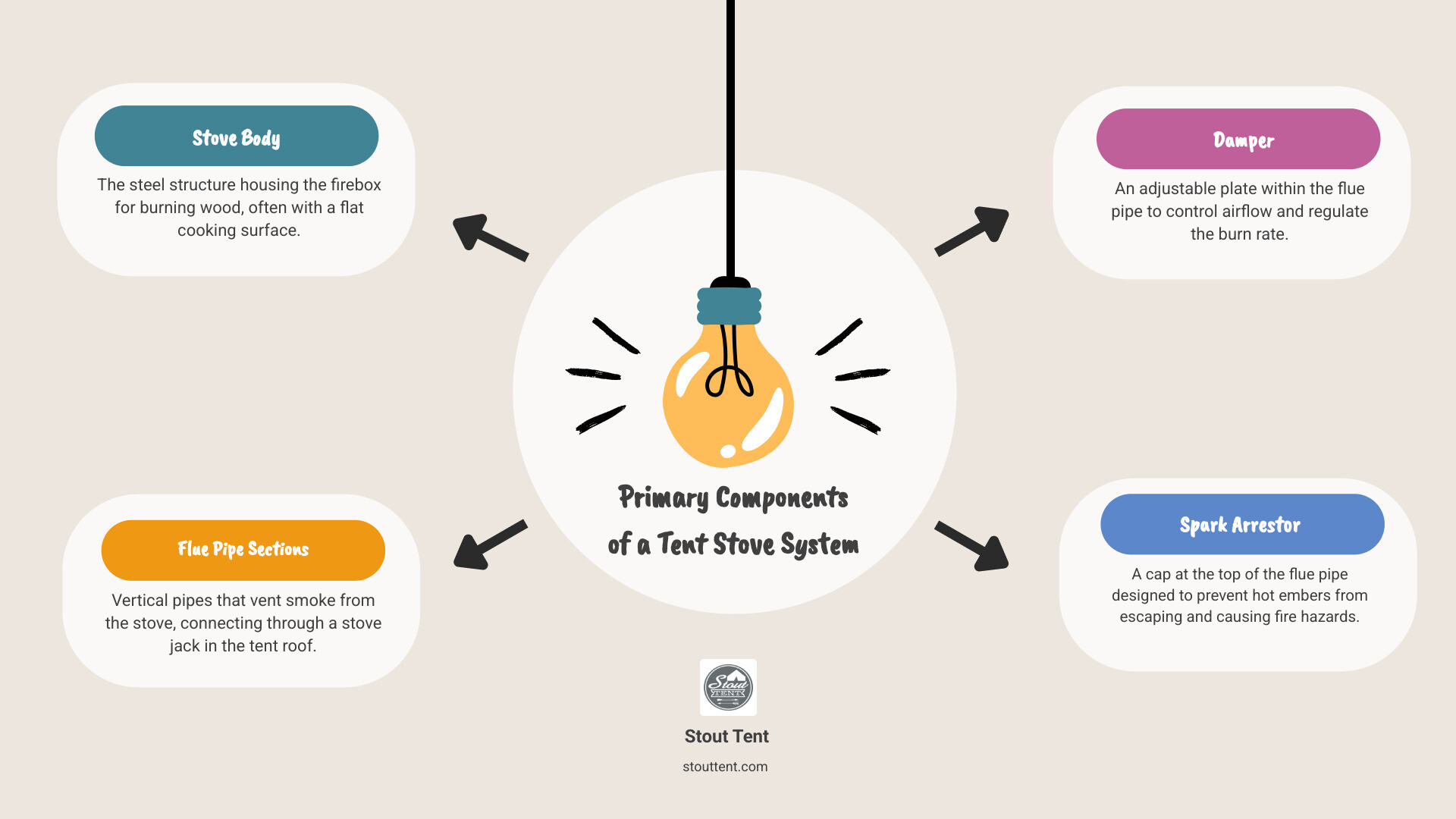
- Essential Components: Stove body, flue pipe sections, damper, spark arrestor, stove jack, and heat shield
Nothing transforms a canvas tent into a genuine four-season shelter like the steady warmth of a wood stove. The radiant heat dries wet gear, eliminates condensation, and provides a cooking surface—all while operating completely off-grid. Unlike propane heaters that produce moisture as a combustion byproduct, wood stoves deliver dry heat that actually improves interior conditions. However, operating a small tent wood stove safely requires understanding proper installation, clearance requirements, and routine maintenance protocols.
Selecting and installing a small tent wood stove system that delivers reliable performance requires operational expertise across diverse climates and conditions. This guide provides expert-backed information to help you choose, install, and operate a wood stove system that improves both comfort and safety in your canvas shelter.
Understanding Tent Wood Stove Fundamentals
When considering heating options for canvas bell tents, a small tent wood stove stands out as an unparalleled solution for creating a truly comfortable and functional outdoor living space. These expert-tested systems offer a unique blend of benefits that other heating methods simply cannot match, especially in remote or off-grid settings common across the US Southwest, Black Rock Desert Nevada, or the Pacific Northwest. To learn more about durable canvas bell tents, explore our collection of high-quality canvas bell tents.
The decision to use a wood stove in a tent is often driven by the desire for self-sufficiency and a deeper connection to the natural environment. Field experience across various climates shows that wood heat is not just about warmth; it’s about changing the entire camping experience.
Advantages of Wood Heat in a Canvas Tent
The advantages of wood heat in a canvas tent are numerous and profoundly impact comfort and utility:
- Consistent Dry Heat: Unlike propane heaters that introduce moisture into the air, wood stoves produce a dry, radiant heat. This is crucial for preventing condensation, especially in humid environments like the US Southeast or rainy Pacific Northwest, and keeping the tent interior fresh and inviting.
- Moisture Reduction: The dry heat actively helps to dry out damp gear, clothing, and even the tent fabric itself. This is invaluable after a day in the rain or during prolonged stays in wet conditions, improving morale and helping to prevent mildew. For additional background on moisture and building envelopes, review guidance from the U.S. Department of Energy.
- Cooking Utility: Many small tent wood stove models feature a flat top that doubles as a cooking surface. This allows for boiling water, simmering meals, and keeping food warm without the need for separate cooking equipment, streamlining the camp kitchen setup.
- Off-Grid Reliability: Wood stoves operate entirely independently of electricity or gas hookups. This makes them suitable for remote locations where power sources are unavailable, providing reliable warmth and cooking capabilities through all seasons.
- Ambiance and Morale: A controlled wood fire produces a soft glow and steady warmth that create a welcoming interior environment, supporting comfort and recovery after long days outdoors.
- Self-Sufficiency: The ability to source and process appropriate fuel (within local regulations) contributes to a strong sense of self-reliance, a core value for many who venture into the wilderness of Washington or California.
These benefits highlight why wood stoves are an integral part of creating a comfortable four-season canvas shelter system.
Key Terminology
Understanding the components and concepts associated with small tent wood stove systems is fundamental to safe and efficient operation. Here are some key terms:
- Firebox: The enclosed chamber where wood is burned. Its size dictates how much fuel can be loaded and, consequently, the burn time.
- Flue Pipe (or Chimney): The series of pipes that connect to the stove and extend out of the tent, safely venting smoke and exhaust gases.
- Damper: An adjustable plate or valve, usually located in the flue pipe, used to control the airflow to the fire and regulate the burn rate. A good damper is essential for moderating heat output and extending burn times.
- Baffle: A plate or series of plates inside the firebox designed to extend the path of the exhaust gases, increasing heat transfer to the stove body and improving efficiency.
- Spark Arrestor: A mesh cap placed at the top of the flue pipe to prevent embers and sparks from escaping and potentially igniting the tent fabric or surrounding environment.
- Stove Jack: A fire-resistant opening or sleeve installed in the tent wall or roof, through which the flue pipe passes, creating a safe seal.
- Creosote: A highly flammable tar-like substance that can build up inside flue pipes, especially when burning unseasoned wood or operating the stove at low temperatures. Regular cleaning is essential to prevent creosote fires. For additional technical detail on creosote and solid-fuel burning, consult resources from the U.S. Environmental Protection Agency.
- Heat Shield: A non-combustible barrier (either wall-mounted or stove-mounted) used to reduce the required clearance between the stove and combustible materials, such as tent walls or furniture.
Professional-grade materials and disciplined installation practices underpin the safe performance of every component in this system.
Selecting the Right Small Tent Wood Stove
Choosing the optimal small tent wood stove for your canvas shelter involves a careful evaluation of several factors. The goal is to select a stove that not only provides ample warmth but also integrates seamlessly with your camping style and tent size, offering both reliability and durability.

When selecting a stove, consider the intended use, the size of your canvas bell tent, and the typical climate you’ll be camping in, whether it’s the chilly nights of the Black Rock Desert or the damp cold of the Pacific Northwest. These recommendations reflect common field-use priorities: stable draft, safe clearances, and durable materials suited to canvas tent stoves.
Types of Stoves for Canvas Tents
The market offers a variety of tent stove designs, each with its own advantages:
- Box Stoves: These are generally robust, often made from heavy-gauge steel, and feature a large firebox. They are excellent for basecamps or longer stays where durability and extended burn times are priorities. Their sturdy construction makes them well-suited for sustained heating and cooking.
- Collapsible Stoves: Designed with portability in mind, these stoves can be disassembled into flat components or feature folding legs and roll-up flue pipes. They are a practical choice for situations where transportation space is limited, while still supporting durable performance.
- Glamping Stoves: These stoves often combine aesthetic design with high functionality. They might feature large viewing windows, intricate detailing, and heavy-duty construction, providing both warmth and a visually engaging focal point for a premium canvas shelter setup.
Key Features to Evaluate for Your Small Tent Wood Stove
When evaluating a small tent wood stove, focus on features that directly impact performance, safety, and user experience:
- Material: The choice of material significantly affects a stove’s performance and longevity. Heavy-gauge steel (like the 22-gauge sheet steel used in some durable models) is excellent for heat retention and robust construction, providing stable warmth over time. Titanium, while often more specialized, offers a substantial reduction in weight, making it a preferred material for highly portable designs where every pound matters. Always prioritize professional-grade materials that can withstand the rigors of outdoor use.
- Heat Output (kW): This is a critical factor in matching the stove to your tent. Operational experience indicates that larger tents, especially those with minimal insulation like canvas bell tents, require a slightly more powerful stove for their cubic footage compared to small, insulated structures.
- For bell tents under 5 meters in diameter, a 3kW stove is generally suitable, providing 3–5 hours of burn time.
- For bell tents between 5–6 meters, a 4kW stove is often ideal, offering 4–6 hours of burn time.
- For larger bell tents over 6 meters in diameter, a 5kW stove or more is recommended, capable of delivering 6–8 hours of heat and effectively warming spaces up to 28 square meters or larger.
- Firebox Size & Burn Time: The size of the firebox directly correlates with the amount of fuel it can hold and, consequently, the burn time. A larger firebox means more wood can be loaded, leading to longer, more consistent burns and fewer refuels overnight. Some manufacturers may exaggerate burn times, so it is advisable to focus on the actual volume of the firebox and the presence of an airtight door gasket for an accurate comparison. An airtight door gasket is crucial for controlling the burn rate efficiently.
- Cooking Surface: Many small tent wood stove models feature a flat top, which is highly useful for heating water, cooking meals, or keeping food warm. This multi-functionality adds significant value, reducing the need for additional cooking equipment.
Comparing Wood Stoves to Other Heating Options
While there are other ways to heat a tent, wood stoves offer distinct advantages, especially for canvas bell tents:
| Feature | Wood Stove | Propane Heater | Electric Heater |
|---|---|---|---|
| Heat Quality | Dry, radiant, consistent | Damp, convective, often inconsistent | Dry, convective, can be localized |
| Fuel Source | Wood (renewable, often locally available) | Propane (fossil fuel, requires refills) | Electricity (grid-dependent or generator) |
| Portability | Varies (collapsible to heavy) | High (small tanks, compact units) | Medium (requires power source) |
| Off-Grid Cap. | Excellent | Good (requires fuel tanks) | Limited (unless generator is used) |
| Moisture Prod. | None (can help reduce interior moisture) | High (produces water vapor) | None |
| Cooking Cap. | Often includes cooking surface | Limited to specific models | None |
| Ambiance | Strong (real fire) | Minimal | Minimal |
| Safety Risks | Fire, CO, hot surfaces | CO, fire, fuel leaks, condensation | Overheating, electrical fire |
Propane heaters, while convenient, produce significant moisture as a byproduct of combustion, which can lead to condensation and dampness inside a canvas tent. Electric heaters require a power source, limiting their use in remote locations. For true off-grid comfort and a dry, warm environment, a small tent wood stove remains an expert-tested, operations-ready solution. For general heater safety considerations, the National Fire Protection Association provides detailed guidance.
Safe Installation and Operation
The unparalleled comfort and utility of a small tent wood stove in your canvas bell tent are only fully realized through meticulous and safe installation and operation. This is where professional-grade materials and adherence to best practices become non-negotiable. The critical importance of safety cannot be overstated when dealing with an open flame inside a tent. For a wide range of accessories and components to complement your stove, review the stove collection.
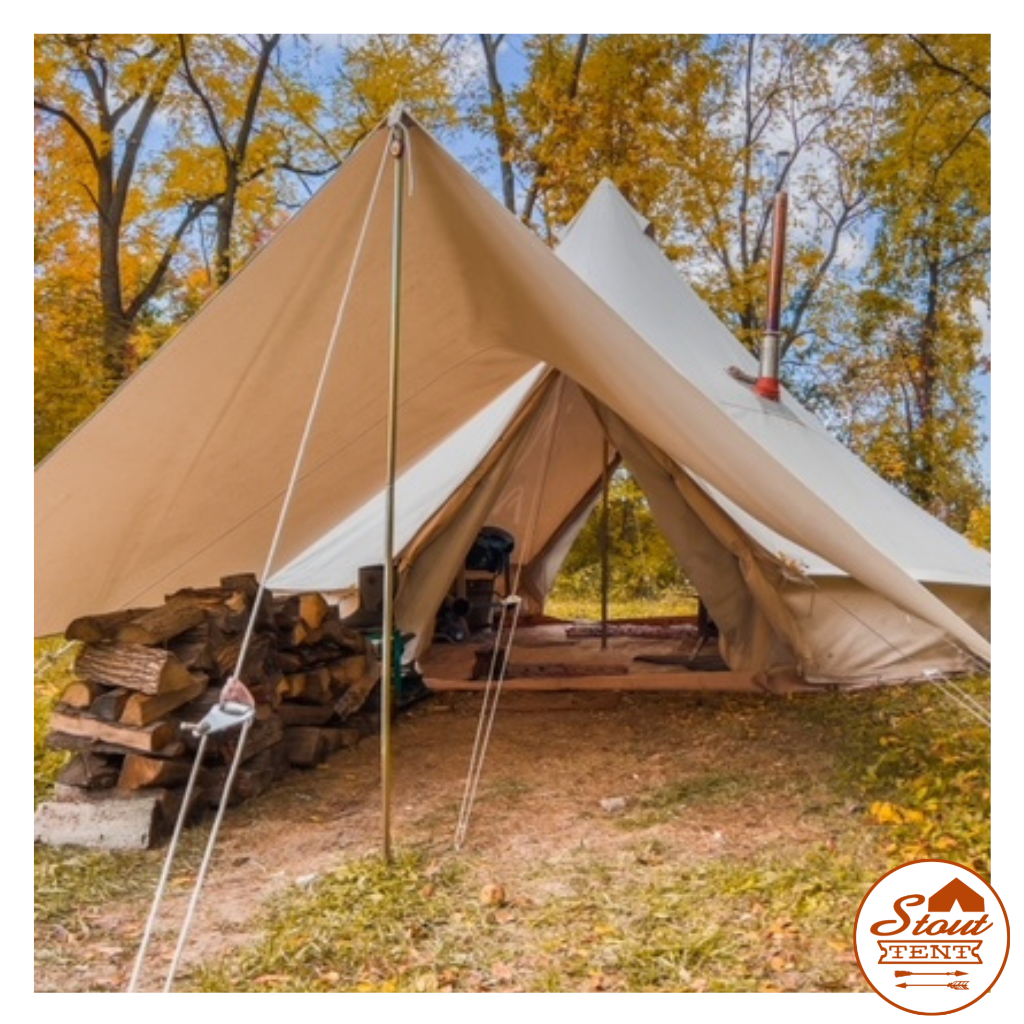
Proper stove placement and clearance are foundational to safe operation. It is always recommended to position the stove on a fire-resistant hearth or mat, centrally within the tent if possible, to allow for adequate clearance from the tent walls and other combustible materials.
Chimney and Flue Pipe Setup
The chimney and flue pipe system is the lifeline of your stove, safely channeling smoke and exhaust gases outside.
- Stove Jack Installation: This is the critical interface between your stove and tent. A stove jack is a fire-resistant opening, typically made from silicone or fiberglass, that is securely installed into a pre-cut hole in your canvas tent wall or roof. It creates a sealed, heat-resistant pass-through for the flue pipe. When choosing a stove jack, ensure it is designed for the diameter of your flue pipe and made from professional-grade materials capable of withstanding high temperatures.
- Assembling the Flue Pipe: Most flue pipes for tent stoves come in sections that either nest together or connect with secure clamps. It is crucial to ensure all connections are tight and stable to prevent smoke leakage. The flue pipe should extend high enough above the tent roof to create a good draft and disperse smoke effectively. For wall exits, external support, such as a 4×4 post, can be beneficial to bear the weight of the pipe.
- The Role of the Spark Arrestor: Positioned at the very top of the flue pipe, the spark arrestor is a mesh cap designed to prevent hot embers and sparks from escaping and potentially igniting your tent or surrounding vegetation. Regular cleaning of the spark arrestor is vital, as creosote and ash can clog it, restricting airflow and impacting stove performance. For additional guidance on controlling embers from solid-fuel devices, consult the EPA’s Burn Wise resources.
- Damper Control: An adjustable damper, usually located in one of the flue pipe sections, allows you to control the airflow through the stove. By adjusting the damper, you can regulate the burn rate, conserve fuel, and maintain a consistent temperature. Closing the damper too much can lead to inefficient burning and creosote buildup, while leaving it too open can cause the stove to burn too hot and consume fuel rapidly.
Essential Safety Practices for Your Small Tent Wood Stove
A disciplined approach to safety is paramount. The following are essential practices for every small tent wood stove setup:
- Clearance Requirements: Maintaining adequate distance between the stove and combustible materials is essential. Standard guidance is 18 inches from any combustible surface. This distance helps ensure that radiant heat does not overheat and ignite tent fabric, bedding, or other items.
- Heat Shields: To reduce clearance requirements and improve safety, use heat shields. A simple heat shield mounted on the tent wall can reduce the required clearance to 6 inches. Stove-mounted heat shields, which attach directly to the stove body, can reduce clearance to 9 inches. These shields provide an air gap that dissipates heat, protecting surrounding materials. A stove hearth rated to high temperatures provides a fireproof barrier between the stove and the ground, which is especially useful when camping on snow or ice to prevent melting.
- Ventilation and CO Safety: Proper ventilation is crucial for ensuring fresh air intake and preventing the buildup of carbon monoxide (CO), a colorless, odorless, and highly toxic gas. Always ensure there is adequate airflow into your tent, even when the stove is running. The most vital safety measure is to use a carbon monoxide detector inside your tent. These devices provide an early warning, which can be critical. It is strongly recommended to review general heating safety guidelines from the NFPA for comprehensive fire prevention information.
- Fire Prevention Tools: Always keep a fire extinguisher readily accessible near the stove. A fire-resistant hearth (such as a metal sheet or specialized mat) should be placed under and around the stove to catch any stray embers or ash.
By adhering to these safety considerations, hot-tent experiences and extended stays in canvas shelters remain controlled, predictable, and secure.
Fuel, Maintenance, and Troubleshooting
The performance and longevity of your small tent wood stove are intrinsically linked to the quality of your fuel and the diligence of your maintenance routine. Understanding these aspects allows for maximized efficiency, minimized risks, and an extended life for expert-tested stove systems.
Fueling Your Stove for Optimal Performance
The type and preparation of your wood significantly impact heat output, burn time, and the cleanliness of the burn:
- Wood Selection: For sustained, long-lasting heat, dense hardwoods like oak, maple, and birch are advantageous. These woods burn hotter and longer, providing excellent BTU output. Softer woods like pine and fir ignite quickly and produce a rapid, intense heat, making them suitable for starting fires or for a quick warm-up, but they burn much faster and can contribute more to creosote buildup. When camping in areas like the Pacific Northwest, local sourcing might involve a mix, so understanding their properties is key.
- Fuel Preparation: The most critical factor for efficient burning is using dry, seasoned wood. Seasoned wood has been cut and allowed to dry for at least six months to a year, reducing its moisture content. Wet or “green” wood burns inefficiently, producing less heat, more smoke, and significantly more creosote. Use properly seasoned wood to support a cleaner burn and reduce creosote buildup in a small tent wood stove.
- Fuel Size: Split your logs to an appropriate size for your stove’s firebox. A small tent wood stove can typically accommodate pieces up to 14 inches long. Smaller, split pieces allow for better airflow and more complete combustion. For longer burns, especially overnight, larger, denser pieces of hardwood are preferable. Some users even find success with compressed logs that are designed for extended burn times.
Routine Maintenance and Common Troubleshooting
A process-driven approach emphasizes proactive care for keeping your small tent wood stove operating safely and efficiently:
- Ash Removal: Regularly cleaning the firebox of ash is essential. A buildup of ash can restrict airflow to the bottom of the fire, leading to an inefficient, smoldering burn and reduced heat output. It is recommended to leave a thin bed of ash (about an inch) to insulate the firebox, but excess ash should be removed before each use.
- Cleaning the Flue and Spark Arrestor: Creosote buildup in the flue pipe is a serious fire hazard. It is recommended to inspect and clean the flue pipe and spark arrestor frequently, especially if you burn softer woods or operate the stove at low temperatures. A clogged spark arrestor can prevent proper airflow, causing smoke to back up into the tent. Some stove designs allow for cleaning the spark arrestor without extinguishing the fire, which is a significant advantage.
- Troubleshooting Poor Draft: If your stove is smoking excessively or struggling to draw air, it could be a draft issue. Common causes include:
- Wind: Strong winds can create downdrafts. Adjusting the flue pipe height or using a wind cap can help.
- Blockages: Check the spark arrestor and flue pipe for creosote or debris.
- Pipe Height: Ensure the flue pipe extends sufficiently above the tent to create a strong draft.
- Air Leaks: Inspect the stove door gasket and flue pipe connections for leaks that allow air to enter the system improperly.
- Managing Smoke During Lighting: A common challenge during startup is smoke entering the tent. To minimize this, establish a strong draft quickly. The recommended method is to start with small, dry kindling and gradually add larger pieces. Once a good coal bed is established and the stove is hot, a strong draft will pull smoke efficiently up the flue. A cold start might take about 60 seconds to establish a good draft, but restarting a warm stove with glowing coals is much quicker.
By diligently following these fueling and maintenance practices, small tent wood stove systems can provide reliable and safe warmth for countless adventures across diverse environments.
Conclusion
Embracing a small tent wood stove for your canvas shelter improves the camping experience, transforming it into a cozy, self-sufficient, and operationally reliable retreat in any season. The deployment of professional-grade bell tents and stoves across demanding environments, from the Black Rock Desert to the US Northeast, underscores the value of these heating systems.
This guide has covered the essential principles for integrating a wood stove into your outdoor setup: the importance of proper selection based on tent size and material, the critical steps for safe installation including stove jacks and clearance requirements, and the ongoing diligence required for fuel management and routine maintenance. By understanding these elements, you are not just adding a heat source; you are implementing a system that delivers dry warmth, cooking utility, and a controlled interior environment, all while operating reliably off-grid.
Contact us to confirm tent-and-stove compatibility and get a safe setup recommendation for your small tent wood stove system.