




Transitioning From Nylon to Canvas: A Total Cost of Ownership (TCO) & Longevity Analysis
At first glance, transitioning from a lightweight nylon dome tent to a heavy-duty canvas shelter looks like a major upfront investment. A standard synthetic weekend tent can be picked up for a couple of hundred dollars, while a premium canvas shelter requires a more substantial financial commitment.
However, looking strictly at purchase price tells a misleading story. When you evaluate total cost of ownership (TCO) over a multi-year horizon (and factor in winter performance, severe weather durability, and built-in wood stove compatibility) cotton canvas delivers a significantly higher return on investment (ROI).
Here is why upgrading to a true four-season canvas tent pays for itself, especially when temperatures drop and heating becomes non-negotiable.

1. The Replacement Cycle: 3-Year Nylon Lifespan vs. Decades of Canvas Durability
-
The Synthetic Cycle: Standard nylon and polyester tents are engineered for casual, warm-weather weekend camping. Under intense UV exposure, high winds, and heavy downpours, synthetic fibers degrade rapidly. Nylon tears easily under wind stress, coatings delaminate within 2 to 3 seasons, and tent poles snap. If you camp frequently or transition into late-season trips, you are likely replacing a synthetic tent every few years.
-
The Canvas Investment: Premium cotton canvas, such as the army duck and single-weave fabrics used in our Pro Series Bell Tents and The Overland Sunforger Tent, is built to endure. Treated to resist water, mold, and fire, a well-maintained canvas tent withstands UV degradation and severe weather for a decade or more.
-
TCO Verdict: Spending money once on a long-lasting structure eliminates the recurring cycle of rebuying disposable synthetic gear.
2. True Four-Season Versatility: Camping Through Winter Without Compromise
If your camping season stops when the first frost hits, your gear is sitting idle for half the year. Nylon tents lack the structural mass and thermal properties required to handle sub-freezing temperatures, heavy wind, or snow loads.
Canvas changes the math by extending your adventure calendar to 365 days a year:
-
Natural Thermal Regulation: Heavy-duty cotton breathes naturally while trapping interior heat, keeping the micro-climate inside significantly warmer in winter and cooler in summer.
-
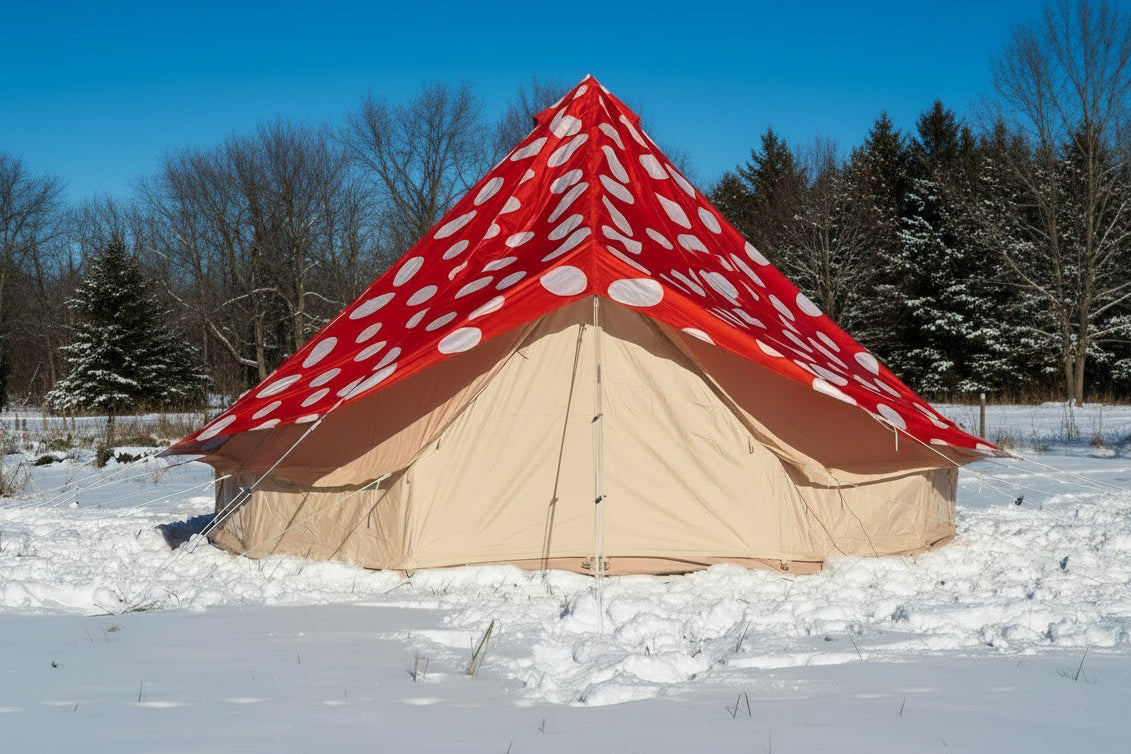
Snow Management: With a sturdy frame and proper maintenance (as outlined in our guide on Snowy Climates Like the US Northeast), canvas structures handle winter elements far better than flimsy synthetic poles and thin rainflies.
-
ROI Impact: Doubling your usable camping days each year instantly drives up the value and utility you get out of your investment.

3. Integrated Wood-Burning Stove Compatibility: The Ultimate Winter ROI
The single biggest differentiator in winter camping comfort, and the primary driver of value for cold-weather enthusiasts, is safe interior heating.
-
The Synthetic Hazard: You cannot safely run a wood-burning stove inside a nylon tent. Synthetic fabrics melt instantly upon contact with stray sparks or hot chimney pipes, forcing winter campers to rely on noisy, inefficient propane heaters or freeze.
-
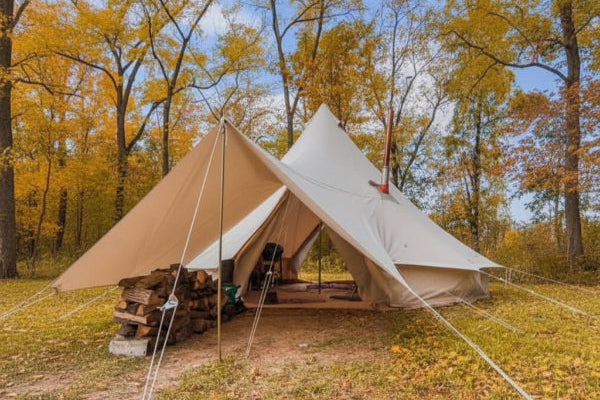
The Canvas Solution: Our Pro Series Tents and The Overland Sunforger Tent come equipped with integrated, heat-resistant stove jacks. Pair them with a portable Wood Burning Stove, and your tent transforms into a warm, dry basecamp where you can cook hot meals, dry out wet gear, and sleep comfortably in sub-freezing weather.
-
For Faster Setups: If you need a more traditional layout that pitches rapidly and heats efficiently, explore our Wall Tents, which offer a dedicated tent-with-chimney-hole setup for seamless winter wood stove management.
4. Financial Breakdown: 5-Year TCO Comparison
| Cost & Performance Factor | Synthetic Nylon Tent | Stout Tent Canvas Pro / Sunforger |
| Average Initial Cost | $250 – $500 | Higher upfront investment |
| Replacement Frequency | Every 2–3 years (due to UV/wind wear) | Lasts 10+ years with basic care |
| 5-Year Equipment Spend | $500 – $1,500 (multiple replacements) | One-time purchase |
| Winter & Stove Capability | None (melt hazard; cold interior) | Full 4-season use with built-in stove jack |
| Resale & Durability Value | Near zero (disposable gear) | High longevity; retains structural integrity |
The True Economy of Quality Shelters
When evaluating outdoor gear, the cheapest option at checkout is rarely the most economical choice over time. While a synthetic nylon tent offers a low entry price, its short lifespan, vulnerability to severe weather, and complete lack of winter or wood-burning capabilities turn it into a recurring expense.
Investing in a true four-season cotton canvas shelter, such as our Pro Series Bell Tents, The Overland Sunforger Tent, or a rugged Wall Tents—transforms your outdoor lifestyle. By combining decade-long durability with built-in stove-jack safety and natural climate regulation, canvas eliminates the replacement cycle and unlocks 365 days of comfortable, warm-weather and sub-zero adventure.
Read more

Struggling with camp cooking in the cold? Learn how to manage freezing propane, wind blocks, and winter camp kitchen setups for your next family trip.

Learn how to engineer a semi-permanent off-grid canvas basecamp. Master county zoning loopholes, secure heavy-duty tent frames to wooden decks, and implement sub-floor ventilation to prevent timber...