

The Foundation of a Flawless Event
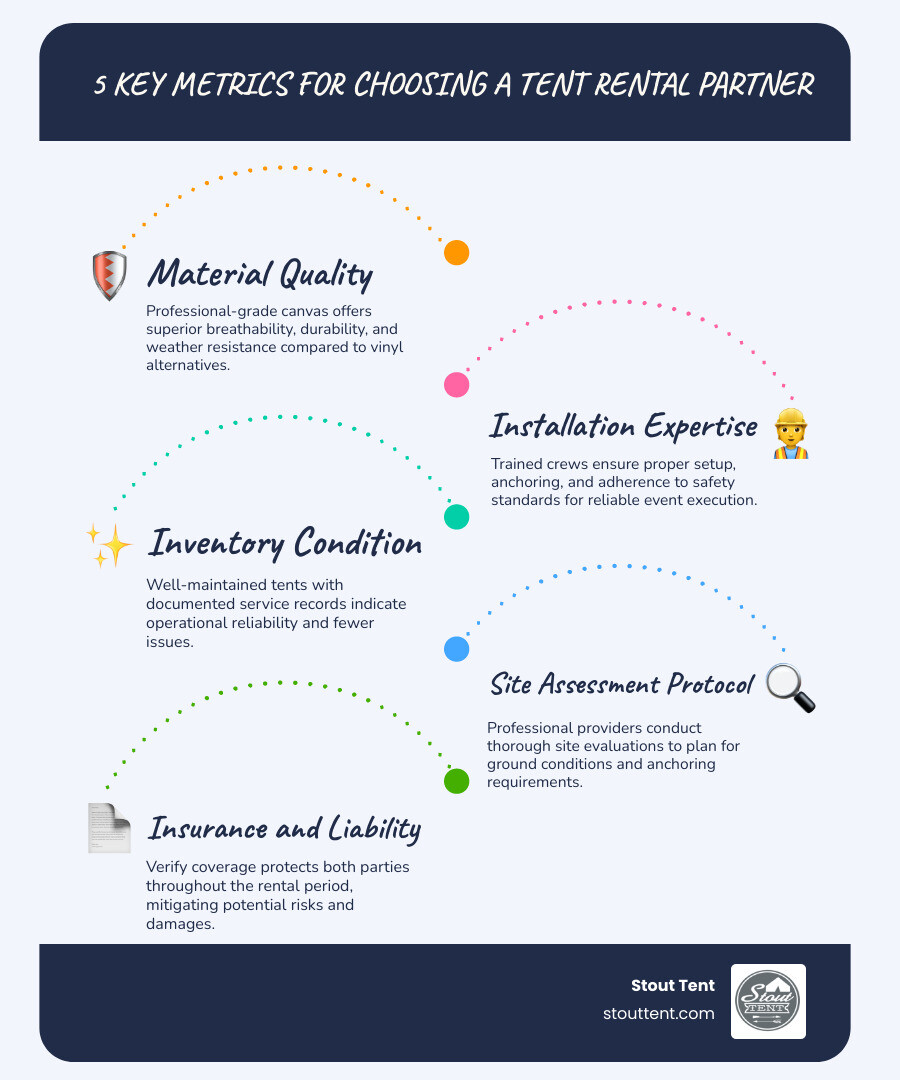
Tent rental services provide temporary shelter solutions for events, glamping operations, and outdoor hospitality ventures. When evaluating providers, focus on these critical factors:
- Material Quality – Professional-grade canvas offers superior breathability, durability, and weather resistance compared to vinyl alternatives
- Installation Expertise – Trained crews ensure proper setup, anchoring, and adherence to safety standards
- Inventory Condition – Well-maintained tents with documented service records indicate operational reliability
- Site Assessment – Professional providers conduct thorough site evaluations before delivery
- Insurance and Liability – Verify coverage protects both parties throughout the rental period
Whether launching a glamping business or hosting a significant event, the shelter you choose directly impacts guest experience and operational excellence. The difference between a memorable experience and logistical challenges often comes down to the quality of the tent structure, the professionalism of the installation crew, and the reliability of your rental partner. Professional-grade materials like marine-treated canvas withstand frequent use and diverse environments far better than standard event tent fabrics.
This guide walks through the essential criteria for evaluating tent rental services, from understanding different tent structures to managing the rental process from inquiry to takedown. The recommendations are informed by hands-on sourcing and testing of expert-tested shelters deployed across diverse environments, from coastal conditions to desert climates. Readers will learn how to assess provider quality, what questions to ask during consultation, and which specifications matter most for specific applications.
Experience with commercial clients worldwide—delivering durable canvas shelters for glamping sites, eco-resorts, and tented lodges—provides insight into what separates exceptional tent rental services from standard providers. This guide focuses on partners who prioritize reliability and professional-grade materials.
Understanding Professional-Grade Tent Options
When selecting tent rental services, recognizing the qualities of professional-grade tent structures is crucial. The goal is to deploy high-quality, durable shelters that elevate any outdoor event or glamping experience. Priority should be given to solutions built for resilience and aesthetic appeal, particularly in challenging environments such as arid deserts, coastal zones, or regions with wide temperature swings.
Professional-Grade Canvas Bell Tents
Professional-grade canvas bell tents, characterized by their iconic conical shape and single central pole, offer a distinctive blend of aesthetic presence and robust performance. Crafted from breathable, heavy-duty canvas, they provide a comfortable, spacious interior well suited to glamping, intimate gatherings, or luxury accommodations. High-quality bell tents feature solid brass frames for superior durability and a refined, timeless look, and are expert-tested for resilience in diverse conditions. Their inherently stable conical design provides excellent wind shedding, making them a reliable choice for various environments.

The Superiority of Professional-Grade Materials
The materials used in a tent directly impact its performance, longevity, and the overall experience it provides. For tent rental services, selecting shelters made from professional-grade materials is a foundational decision that strongly contributes to the success of an event or operation.
Canvas is preferred for bell tents due to its inherent advantages:
- Canvas Breathability: Unlike many synthetic materials, canvas allows for natural airflow, minimizing condensation and creating a more comfortable interior climate. This is particularly beneficial in fluctuating temperatures, supporting a stable, pleasant environment for guests.
- Durability and Longevity: Heavy-duty, marine-treated canvas is engineered for resilience, designed to withstand rigorous use and exposure to varied weather. This robust construction helps tents maintain both structural integrity and appearance over many deployments.
- UV Resistance: Prolonged sun exposure can degrade tent fabrics. Quality canvas can be treated for UV resistance, helping preserve its strength and color under intense sun or extended daylight.
- Mold and Mildew Treatment: Specialized treatments are used to resist mold and mildew in humid or damp regions. This supports a hygienic interior environment and helps preserve the canvas over time.
Focusing on professional-grade materials and expert-tested canvas bell tents delivers a shelter solution that offers enduring quality and reliable performance. This materials-led approach reduces the likelihood of premature wear or performance issues, allowing event and site operators to concentrate on execution rather than equipment failures.
Key Factors for Evaluating Tent Rental Services
Selecting the right provider for tent rental services is a critical decision that impacts the safety, aesthetics, and operational performance of an event. Recommendations below are informed by hands-on sourcing and testing, with emphasis on partners that demonstrate disciplined processes and consistency.
Assessing the Quality of Tent Rental Services
When evaluating potential partners, it is important to look beyond the surface offerings to understand operational depth and commitment to excellence.
- Tent Condition: A provider’s inventory should be carefully maintained. Tents should be clean, free from significant wear, and regularly inspected. Well-maintained shelters signal disciplined operations and attention to detail.
- Maintenance Records: Reliable tent rental services maintain comprehensive records of equipment service history, including cleaning, repairs, and inspections. This transparency reflects a proactive approach to equipment care and supports consistent performance.
- Staff Training and Certification: The expertise of the installation crew is paramount. Strong providers invest in professional training and, where applicable, certification in tent installation and safety protocols. This supports efficient setup and alignment with critical safety guidelines. For example, following standards such as those outlined in the International Fire Code (IFC) Chapter 31 for temporary membrane structures is essential. For additional context on fire and life safety standards, see the International Code Council and guidance from the National Fire Protection Association.
- Weather Contingency Planning: A robust weather contingency plan is essential. Professional tent rental services should outline procedures for adverse weather, including additional anchoring, appropriate heating or cooling solutions, and emergency response. For safe use of heating and fuel-burning appliances inside or near tents, always follow manufacturer instructions and reference safety guidance from organizations such as the Consumer Product Safety Commission and the Occupational Safety and Health Administration.

The Importance of Professional-Grade Equipment
Beyond the initial engagement, a broader perspective on the sustained performance derived from a tent rental services partnership is essential. Opting for professional-grade materials and expert services supports consistent outcomes and reduces operational friction.
Key considerations include:
- Operational Efficiency: High-quality tents and skilled installation teams contribute to smoother site operations. Durable equipment is less prone to failures, helping maintain timelines and protecting the event schedule.
- Protecting Rented Equipment: Professional tent rental services clearly define responsibilities, coverage, and conditions in writing, supporting risk management across the rental period. Understanding these terms is vital for safeguarding equipment and the event environment.
- Long-Term Performance: Deploying superior equipment and disciplined services means less wear, fewer disruptions, and a consistently high-quality guest experience over repeated uses. A durability-first approach keeps shelter performance aligned with guest expectations.
- Integrated Solutions: Many providers offer accessory packages, including flooring, lighting, and climate control. Evaluating these as part of a comprehensive solution helps create a cohesive and comfortable environment, enhancing the overall experience for guests. Always follow manufacturer guidelines for any heating or cooling units and consult trusted sources such as the U.S. Department of Energy and the CPSC for general product safety information.
The Rental Process: From Initial Inquiry to Event Execution
Navigating the rental process with professional tent rental services should be structured, predictable, and transparent. A process-driven approach, supported by clear documentation and defined milestones, underpins reliable execution.
What to Expect from Professional Tent Rental Services
A well-organized rental process ensures that event setup is executed precisely and safely.
- Initial Consultation: The first step is to define the scope: guest count, site conditions, duration, and specific functional and aesthetic requirements. This stage aligns tent type, footprint (in meters), and accessory needs with the event concept and site constraints.
- Site Inspection: For complex or large-scale events, a thorough site inspection is strongly recommended. The team assesses terrain, access points, anchoring options, overhead clearances, and any environmental or regulatory considerations. Compliance with local regulations, including those based on standards from the International Code Council and local fire authorities, should be treated as a core requirement.
- Proposal and Contract Review: Following consultation and any necessary site assessment, a detailed proposal should outline all services and equipment. A careful review of terms, conditions, and responsibilities by both parties ensures alignment before deployment.
- Delivery and Setup Logistics: Professional tent rental services coordinate transportation, site access, and installation schedules. A skilled crew manages the intuitive-pitch setup of the canvas shelter, anchoring, and structural checks, with timelines designed to deliver a fully prepared environment well ahead of guest arrival.
- On-Site Support: Depending on event scale and duration, on-site support may be provided to address minor adjustments, monitor conditions, or coordinate with other vendors. This support helps maintain a stable and controlled environment throughout the event.
- Takedown and Removal: After the event, the team dismantles and removes all equipment in a controlled sequence, protecting both the site and the shelters. A final walkthrough can be used to verify that the area has been restored according to site requirements and any venue agreements.
Frequently Asked Questions about Renting Tents
Clarifying common questions about tent rental services helps planners and operators make precise, informed decisions.
What size tent do I need for my event?
Determining the correct tent size is essential for guest comfort and effective layout.
Key factors include:
- Guest Count: The number of attendees is the primary input.
- Seating Arrangement: Different layouts require different space allocations per person.
- Ancillary Space: Space for additional features like a stage, bar, or designated storage areas significantly affects the total footprint.
- Square Meters per Person Guidelines: While these can vary by layout, a general guideline might be 1.5–2 square meters per person for a seated arrangement. Standing receptions generally require less. Final sizing should be confirmed with the rental provider based on a detailed floor plan.
For example, a 6-meter canvas bell tent can comfortably accommodate 6–8 people for glamping or a small lounge area, while larger events may require multiple bell tents or a combination of structures.
For detailed specifications on canvas bell tent sizes and layouts, refer to the product information available at https://stouttent.com/products/canvas-bell-tents.
How far in advance should I book my tent rental?
Advance planning supports availability, permitting, and coordination with other vendors.
Factors to consider:
- Seasonal Demand: Peak seasons and high-demand dates typically see constrained inventory.
- Event Scale: Larger, more complex events require additional lead time for site visits, engineering review, and permitting.
- Planning Lead Time: For major events or commercial glamping setups, a lead time of 6–12 months is advisable. For smaller gatherings, 3–6 months is often sufficient, assuming no unusual permitting or access constraints.
Local permitting and inspection requirements vary by jurisdiction. For reference, many municipalities base temporary structure rules on model codes such as the International Fire Code; a useful starting point is the International Code Council and your local city or county building or fire department website.
What is included in a standard tent rental package?
The contents of a standard package can vary by provider, but typically include:
- Tent Structure: The primary tent, such as a canvas bell tent, including the canvas, central pole, solid brass frame elements, and guy lines.
- Standard Anchoring: Stakes, ropes, and related hardware required to install the tent securely, in line with safety and manufacturer guidelines.
- Professional Labor: A skilled crew responsible for delivery, setup, structural checks, and takedown of the tent.
- Optional Accessories: Many providers offer flooring, lighting, climate control, furnishings, and decorative elements as add-ons to the base package, configured to match the event concept.
- Service Area Parameters: Most providers define a standard service radius, with the option to arrange deployments beyond that area on request.
When reviewing a package, confirm all inclusions and any site-specific requirements in writing. For additional guidance on safe use of temporary structures and equipment, consult resources from agencies such as the U.S. Fire Administration and the Consumer Product Safety Commission.
Conclusion: Choosing a Reliable Partner
The right tent rental services provider operates as a strategic partner rather than a simple supplier. The quality of the shelter, the professionalism of the crew, and the reliability of the underlying processes are central to ensuring a high-quality shelter solution and a smooth operational process.
Professional-grade materials—such as marine-treated canvas bell tents with solid brass frames—provide a robust foundation, combining aesthetic presence with structural resilience in demanding conditions. When these expert-tested shelters are paired with disciplined planning, documented safety practices, and precise execution, the result is a high-performing outdoor environment that supports both guest comfort and operational control.
By selecting tent rental services that emphasize durability, safety, and structured planning, event and hospitality operators secure a partner focused on long-term performance and reliability, not short-term convenience.
For planning, timelines, and site requirements, contact our team.