
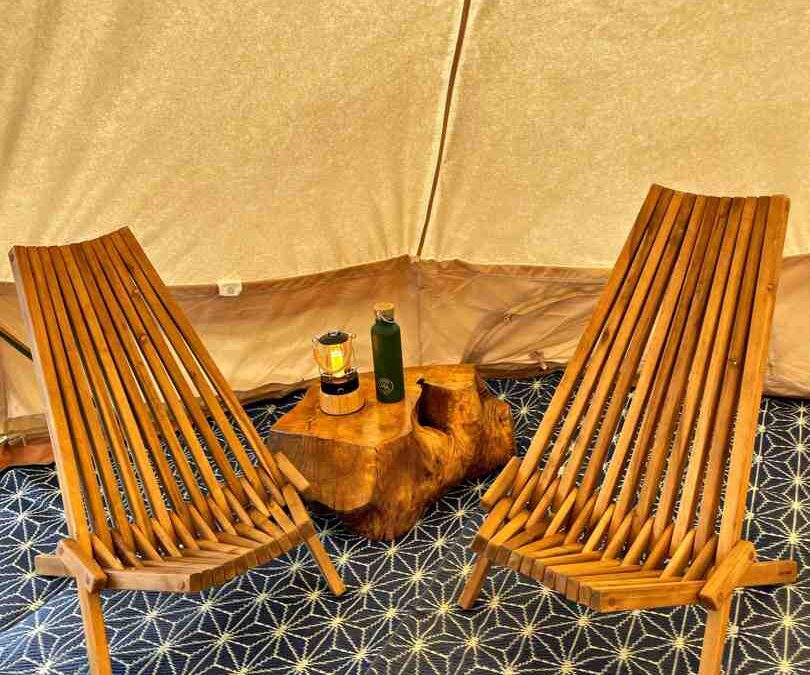
Why a Tent Rug is Essential for Your Canvas Bell Tent
A tent rug is a specialized floor covering designed to sit inside your tent, changing the groundsheet into a comfortable, insulated, and protected living space. Whether you’re outfitting a glamping site, preparing for a multi-day event, or enhancing guest accommodations at a retreat, the right rug is a critical infrastructure component.
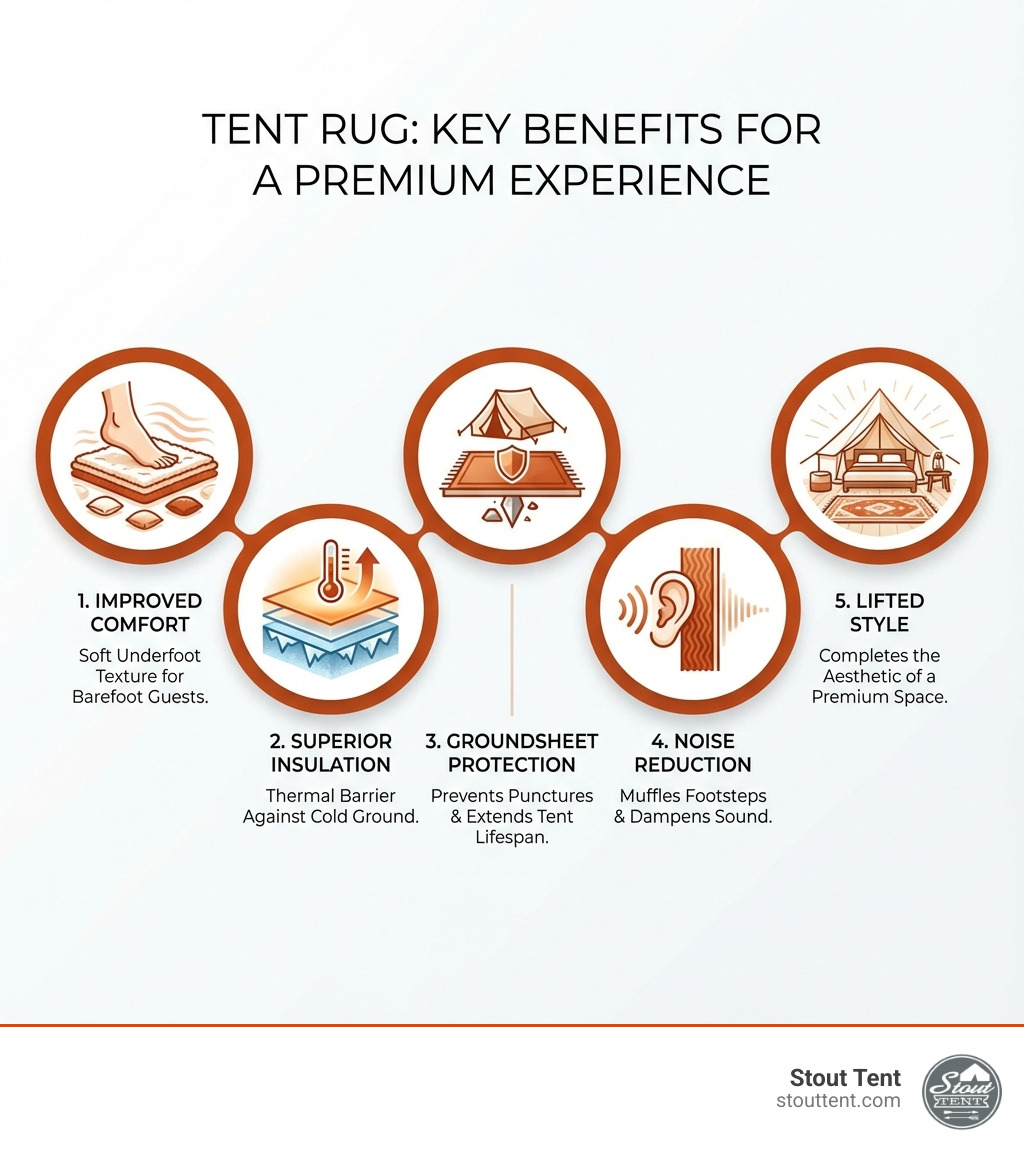
What a tent rug does for your canvas bell tent:
- Adds comfort – Provides a soft, warm surface underfoot, replacing the cold, hard feel of a bare groundsheet
- Improves insulation – Creates a thermal barrier between guests and the ground, retaining warmth in cooler conditions
- Protects your investment – Shields the groundsheet from punctures, abrasions, and wear, extending the lifespan of your tent
- Reduces noise – Dampens footsteps and eliminates the rustling sound of walking on canvas or vinyl flooring
- Lifts style – Completes the aesthetic of a premium space, turning a functional shelter into a refined, inviting environment
For enterprise clients running recurring events or operating glamping sites, a durable tent rug is not just about aesthetics—it’s about reducing Total Cost of Ownership (TCO) by protecting your tent floors and minimizing replacement cycles. A well-chosen rug can last for years across dozens of installations, making it a high-value asset for any professional-grade canvas tent operation.
The shift from basic shelter to luxurious outdoor accommodation begins with the details. A tent rug is one of those details that guests notice immediately. It signals quality, care, and attention to experience. It’s the difference between stepping onto a cold groundsheet and walking into a space that feels like home.
I’m Caitlyn Stout, founder of Stout Tent, and over the past decade, I’ve worked with event producers and glamping operators worldwide to build scalable, durable canvas tent installations—and the right tent rug is a foundational piece of that puzzle. In this guide, I’ll walk you through everything you need to know to select, maintain, and maximize the value of a tent rug for your canvas bell tent operation.
The Functional Benefits of a High-Quality Tent Rug
When you’re running a professional glamping operation or producing multi-day events, a tent rug isn’t just about making the space look nice—though it certainly does that. It’s a critical infrastructure component that protects your assets, improves guest satisfaction, and ultimately improves your bottom line. Let me walk you through exactly how.
Enhancing Comfort and Insulation
The moment a guest steps into your canvas bell tent, they’re forming an impression. And nothing says “premium experience” quite like the soft, welcoming feel of a quality rug underfoot. Compare that to a bare groundsheet—functional, sure, but cold, firm, and frankly, not what anyone expects when they’ve paid for a high-end outdoor accommodation.
But comfort is just the beginning. A tent rug creates a thermal barrier between your guests and the ground, and that makes a real difference. The ground is a massive heat sink, constantly pulling warmth away from the interior. A good rug interrupts that transfer, helping your canvas bell tent retain heat and maintain a consistently comfortable temperature inside.
For operations in colder climates—think the Pacific Northwest or the Northeast—this insulation becomes essential rather than optional. Your guests aren’t camping; they’re expecting a refined experience. When the temperature drops overnight or during early morning hours, that thermal layer keeps the interior inviting and warm. It’s the kind of detail that guests notice, even if they can’t quite articulate why the space feels so much more comfortable than they expected.
Protecting Your Investment: Groundsheet Durability
Canvas bell tents represent a significant investment, and if you’re operating at scale, you need every component to last. The groundsheet takes constant punishment—foot traffic, furniture being moved in and out, the occasional dropped equipment. Over dozens of installations, that wear adds up fast.

A tent rug acts as a protective buffer, absorbing the impacts and friction that would otherwise degrade your groundsheet. It prevents punctures from furniture legs, reduces abrasion from foot traffic, and shields the floor from the general wear that comes with professional event use. This isn’t just about keeping things looking nice—it’s about extending the operational lifespan of your tent.
For enterprise clients managing recurring events across multi-year calendars, this protection directly impacts Total Cost of Ownership. When your groundsheets last longer, you’re spending less on repairs and replacements. You’re reducing downtime between events. You’re maintaining a more reliable inventory of tents that you can deploy with confidence. A quality tent rug pays for itself many times over by protecting the more expensive asset underneath it.
Creating a Serene Environment: Noise Reduction
Here’s something most people don’t think about until they’re inside a tent: sound. A bare groundsheet—especially vinyl or treated canvas—produces a distinct rustling, crinkling noise with every step. In a basic camping scenario, maybe that’s part of the charm. But when you’re creating a premium experience, those sounds become distractions.
A tent rug dramatically improves the interior acoustics of your canvas bell tent. The fibers absorb sound, muffling footsteps and dampening the rustling that comes from movement on a bare floor. The result is a quieter, more peaceful environment that feels substantially more refined.
This matters most during multi-day events where guests need quality rest, or at retreats where a serene atmosphere is part of the value proposition. The difference is subtle but significant—guests feel more relaxed, more private, more comfortable. It’s another one of those details that separates a basic shelter from a truly lifted outdoor accommodation.
Choosing the Perfect Rug for Your Canvas Bell Tent
Selecting the right rug involves matching materials, size, and features to your operational needs and aesthetic goals.
A Guide to Tent Rug Materials and Their Properties
The material of your tent rug fundamentally determines how it will perform across multiple installations, how easily your team can maintain it, and ultimately, how it contributes to the guest experience you’re creating. After a decade of outfitting canvas bell tents for events from the Pacific Northwest to the Black Rock Desert, I’ve learned that not all rugs are created equal. For professional-grade applications, we prioritize materials that deliver resilience, ease of care, and a refined aesthetic that matches the quality of our canvas tents.
Recycled polypropylene has emerged as the gold standard for outdoor and event rugs, and for good reason. These mats, typically woven from a 0.5 cm thick recycled plastic weave, are among the highest quality options available in the industry. The fact that they’re made from 100% recycled polypropylene means you’re making an eco-friendly choice that aligns with sustainable event practices—something increasingly important to both enterprise clients and their guests. What makes recycled polypropylene exceptional is its combination of durability, waterproof properties, and ease of maintenance. These rugs resist stains, dry remarkably quickly, and are UV-protected to prevent fading even in harsh sun exposure like you’d encounter in Phoenix, Arizona, or during a multi-week installation in Nevada. Many of our recycled polypropylene rugs feature reversible designs, which means you can flip them to refresh your tent’s aesthetic between events or even mid-event—a feature that’s proven invaluable for clients managing multiple themes or seeking quick visual changes.
Coir mats, made from coconut husks, offer something entirely different: a natural, rustic aesthetic that beautifully complements the organic character of a canvas bell tent. They’re exceptionally sturdy, excellent for scraping off dirt and debris at entryways, and provide solid insulation. For events with a natural or bohemian theme, coir delivers an authentic texture that guests notice immediately. However, coir requires more attention than polypropylene. While naturally durable, these mats aren’t as inherently waterproof or quick-drying. In humid climates like those across the US Southeast, you’ll need to ensure coir rugs are thoroughly dried between uses to prevent mold or mildew—an important consideration for your maintenance protocols.
Beyond these primary options, you’ll find tent rugs made from lightweight olefin with marine backing, which also offer UV protection and robust performance for outdoor installations. For clients prioritizing interior warmth and a softer aesthetic, recycled cotton rugs provide excellent comfort underfoot while maintaining eco-friendly credentials through responsibly sourced recycled fabrics. The key is understanding your operational environment and guest expectations, then selecting a material that delivers on both.
Here’s how recycled polypropylene and coir compare for professional event use:
| Feature | Recycled Polypropylene | Coir |
|---|---|---|
| Durability | High; resistant to wear, tear, and fading | High; sturdy and robust, good for high traffic |
| Waterproof | Excellent; inherently waterproof and quick-drying | Moderate; absorbs moisture, needs thorough drying |
| Insulation | Good; acts as a thermal barrier | Good; natural insulating properties |
| Cleaning | Very easy; hose down, spot clean, quick-drying | Moderate; shake out, vacuum, spot clean; can retain moisture |
| Eco-Friendly | High; often made from 100% recycled materials | High; natural, biodegradable fiber |
| UV Resistance | Excellent; often UV-treated to prevent fading | Moderate; can fade and degrade with prolonged sun exposure |
| Aesthetics | Modern, often reversible patterns; vibrant colors | Natural, rustic, organic texture |
| Best Use Case | High-traffic events, long-term glamping, variable weather | Entryways, rustic themes, areas needing aggressive dirt removal |
Sizing and Shaping Your Tent Rug for a Perfect Fit
The circular footprint of a canvas bell tent is one of its most distinctive features, and your tent rug should honor that geometry. We recommend matching the rug size directly to your tent’s diameter—whether you’re working with our 4m, 5m, or 6m canvas bell tents—to achieve optimal coverage and a polished, intentional appearance. When a rug fits precisely within the tent’s footprint, it creates a cohesive interior that signals quality and attention to detail from the moment guests step inside.
For full-floor coverage, a round rug that matches your tent diameter provides wall-to-wall comfort and protection. However, many of our clients have found the versatility of half-moon rugs for creating defined zones within larger installations. Our Bell Tent Tan Half Moon Rug can be used in pairs to cover an entire floor, or positioned individually to demarcate specific areas—sleeping quarters, a lounge space, or a dining zone. This flexibility is particularly valuable for event producers who need to adapt layouts quickly between different event types or guest requirements. A 5m tent with strategically placed half-moon rugs can function as an intimate sleeping space for two or transform into a multi-zone lounge for small group gatherings.
Key Features for Outdoor and Event Use
When you’re managing the logistics of outdoor events and glamping operations, certain features in a tent rug move from “nice to have” to essential. Reversible designs offer exceptional versatility for event producers managing multiple aesthetic themes or clients who want to refresh their space between bookings. Our Navy White Geo Floral Print Stout Tent Outdoor Rug exemplifies this—two distinct looks in one durable product, allowing you to flip the rug and completely change the interior vibe without hauling additional inventory. The market demand for this flexibility is clear, underscoring their utility for professional operations.
A non-slip backing is another critical feature, particularly for high-traffic areas or when you’re placing rugs on outdoor patios adjacent to your canvas bell tents. This ensures stability and safety, preventing accidents and keeping the rug anchored even with constant guest movement. That said, a properly sized rug that fits snugly within your tent’s diameter will naturally stay in place, with the weight of furniture providing additional anchoring.
Our commitment to professional-grade materials means every tent rug we offer is expert-tested for durability. These rugs are designed to withstand the rigors of repeated setup and takedown, diverse environmental conditions, and the wear patterns of multi-day events. For event logistics, portability matters—you need rugs that are manageable for your crew to transport and store without sacrificing their robust construction. This combination of durability, thoughtful design, and practical features ensures that our tent rugs function as integral components of a reliable, scalable event infrastructure, not just decorative afterthoughts.
Maintenance and Care for Long-Lasting Use
Proper care is essential for maximizing the return on your investment and ensuring your rugs remain in pristine condition for every event.
Best Practices for Cleaning Your Tent Rug
Maintaining the pristine condition of your tent rugs is crucial for extending their lifespan and upholding the high standards of your glamping or event operation. Routine maintenance is straightforward and highly effective. For daily or post-event cleanup, simply shaking out the rug will remove loose debris, sand, or dirt. For more embedded particles, a thorough vacuuming is recommended.
For stubborn marks, spot cleaning protocols should be followed using mild, fabric-safe soap and water. Gently scrub the affected area with a soft cloth or brush. For materials like polypropylene, which are inherently waterproof and quick-drying, a garden hose can be used for a more comprehensive rinse. After cleaning, it’s paramount to ensure the rug is completely dry before storage. Air drying, either by hanging or laying flat in a well-ventilated area, will prevent moisture retention and inhibit the growth of mold and mildew. Many high-quality outdoor rugs, particularly those with specialized backings, should not be put into a washing machine, as this can damage their structural integrity and insulation properties.
Proper Storage to Maximize Lifespan
Just as crucial as cleaning is the proper storage of your tent rugs. Incorrect storage can lead to irreversible damage, compromising their appearance and functionality. Always ensure rugs are impeccably clean and completely dry before rolling them for storage. Any residual moisture can lead to mold, mildew, and unpleasant odors, especially during off-season storage.
When storing, roll the rugs tightly rather than folding them. This practice helps avoid creases, which can weaken the material over time and detract from the rug’s aesthetic when unrolled for the next event. Store them in a cool, dry place, ideally in breathable storage bags or containers that protect them from dust, pests, and extreme temperature fluctuations. For large inventories, consider dedicated storage solutions that allow for easy access and minimize handling damage. Implementing these meticulous storage procedures ensures that your tent rugs remain a long-lasting, high-value asset for your operations, ready to improve the interior of your canvas bell tents for years to come.
Frequently Asked Questions about Tent Rugs
Can a tent rug be used outside the tent?
Absolutely. Many tent rugs are specifically designed as versatile outdoor mats, making them perfect for creating inviting patios, clear walkways, or designated lounge areas outside your canvas bell tent. Their durable, often waterproof, and UV-protected materials make them ideal for defining event spaces, setting up outdoor dining areas for glamping guests, or creating comfortable zones for activities.
I’ve seen our clients use these rugs in countless creative ways—from establishing welcoming entryways at festival check-in areas to creating cozy gathering spaces between multiple tents at corporate retreats. They’re excellent for RV setups, picnics, or simply extending the usable footprint around your tent. The beauty of a high-quality tent rug is its adaptability. What protects your groundsheet inside can just as effectively define a beautiful outdoor seating area or create a comfortable spot for guests to remove muddy boots before entering.
For operations managing large-scale events, this versatility translates into operational efficiency. The same inventory of rugs that improves your tent interiors can be redeployed to improve outdoor common areas, maximizing the return on your investment. We encourage you to explore our collection of Outdoor Rugs for options that excel in these diverse applications.
Are tent rugs waterproof?
The waterproof capabilities of a tent rug depend heavily on its material and construction. Many high-quality options, particularly those crafted from woven polypropylene or similar synthetic fibers, are inherently waterproof and boast quick-drying properties. This makes them exceptionally well-suited for outdoor use and situations where spills or unexpected rain might occur.
Some rugs may also feature a dedicated waterproof backing, providing an additional layer of protection for the groundsheet beneath. This dual benefit means that not only does the rug itself resist moisture, but it also shields your canvas bell tent’s floor from any dampness that might seep through.
When selecting a rug for your canvas bell tent, always check the product specifications to confirm its water resistance and suitability for your intended use. This is especially important if you’re operating in areas prone to moisture, like the Pacific Northwest, where morning dew and frequent rain are part of the landscape. For event producers managing multi-day festivals or glamping sites, choosing a waterproof tent rug means less downtime for drying and maintenance, and more confidence that your guest accommodations will remain comfortable regardless of weather conditions.
How do I keep a tent rug from shifting inside the tent?
The most effective way to prevent a tent rug from shifting inside your canvas bell tent is to choose one that is properly sized. A rug that fits snugly to the tent’s diameter will naturally have less room to move around. When the rug reaches close to the tent walls, it creates a natural boundary that keeps everything in place.
Beyond sizing, the strategic placement of professional-grade furniture plays a significant role. Cots, tables, storage units, and seating all add weight that anchors the rug to the groundsheet. In our experience outfitting hundreds of canvas bell tents for large-scale events, we’ve found that once a tent is furnished, rug shifting becomes a non-issue. The combined weight of these items provides sufficient friction to keep the rug from sliding, even with regular foot traffic.
For added security, some tent rugs are manufactured with a non-slip backing, which offers extra grip on the groundsheet. This feature is particularly valuable in high-traffic areas or for specific event layouts where furniture placement might be minimal—such as yoga or meditation tents. In these cases, considering rugs with non-slip features can provide peace of mind and maintain a tidy, safe interior for your guests throughout the duration of your event.
Conclusion: The Foundation of a Premium Outdoor Space
A tent rug is more than just a finishing touch—it’s the foundation that transforms a functional canvas bell tent into a space your guests will remember. It’s the difference between walking into a shelter and stepping into an experience. When you invest in a high-quality tent rug, you’re protecting your professional-grade tents from wear, improving the comfort level for every guest who walks through the door, and completing the polished aesthetic that defines premium glamping and event production.
For event producers managing multi-year calendars, this isn’t about decoration. It’s about asset protection and operational efficiency. A properly selected tent rug—durable, correctly sized, and built from professional-grade materials—extends the lifespan of your groundsheets, reduces your Total Cost of Ownership, and ensures that your canvas bell tents remain in pristine condition season after season. That’s the kind of strategic thinking that separates a good operation from a great one.
At Stout Tent, we’ve spent over a decade supporting large-scale events and glamping operations nationwide. We understand the demands you face and the standards you need to meet. That’s why our expert-tested tent rugs are designed to withstand the rigors of high-traffic environments, variable weather conditions, and the expectations of discerning clients—from California to the Northeast and everywhere in between.
Ready to lift your event infrastructure? Explore our professional-grade Canvas Bell Tents and find the perfect Camping Rugs to complete your setup. For large-scale productions, request a quote for our Event Tent Rentals or contact our team to discuss your specific operational needs. We’re here to support your vision with infrastructure that performs.