

Why a Winter Camping Tent is Your Most Critical Cold-Weather Investment
A winter camping tent is not a summer shelter adapted for cold weather; it is a specialized piece of life-support equipment engineered to withstand extreme conditions. When temperatures plummet, winds gust, and snow accumulates, your tent becomes the single barrier between comfort and hypothermia. Here’s what you need to know:
Key Requirements for a Winter Camping Tent:
- Structural integrity: Robust frame and materials capable of handling heavy snow loads and high winds
- Material quality: Breathable, waterproof fabric that manages condensation and provides natural insulation
- Essential features: Stove jack for heating, proper ventilation system, and reinforced guy line attachment points
- Adequate size: Extra space for bulky winter gear, sleeping systems, and extended time spent indoors
- Professional-grade construction: Expert-tested components designed for long-term durability and Total Cost of Ownership (TCO)
Increased interest in cold-weather outdoor recreation has driven demand for high-performance shelters, particularly in North America, with its strong outdoor culture and prevalence of winter conditions. This reflects a shift toward more serious, well-equipped winter camping, where the right shelter is understood as a critical investment rather than a simple purchase.
A true winter camping tent must balance competing demands: robust weatherproofing, effective moisture management, structural stability under load, and sufficient interior space for extended occupation. The difference between a tent that merely survives winter and one that thrives in it comes down to material science, structural engineering, and thoughtful design rooted in real-world performance.
Our expertise in professional-grade canvas materials, treatments, and construction ensures that every winter camping tent recommendation is based on proven operational reliability, not marketing hype. We have helped clients deploy durable canvas shelters across six continents, from snow-covered European forests to high-altitude base camps.
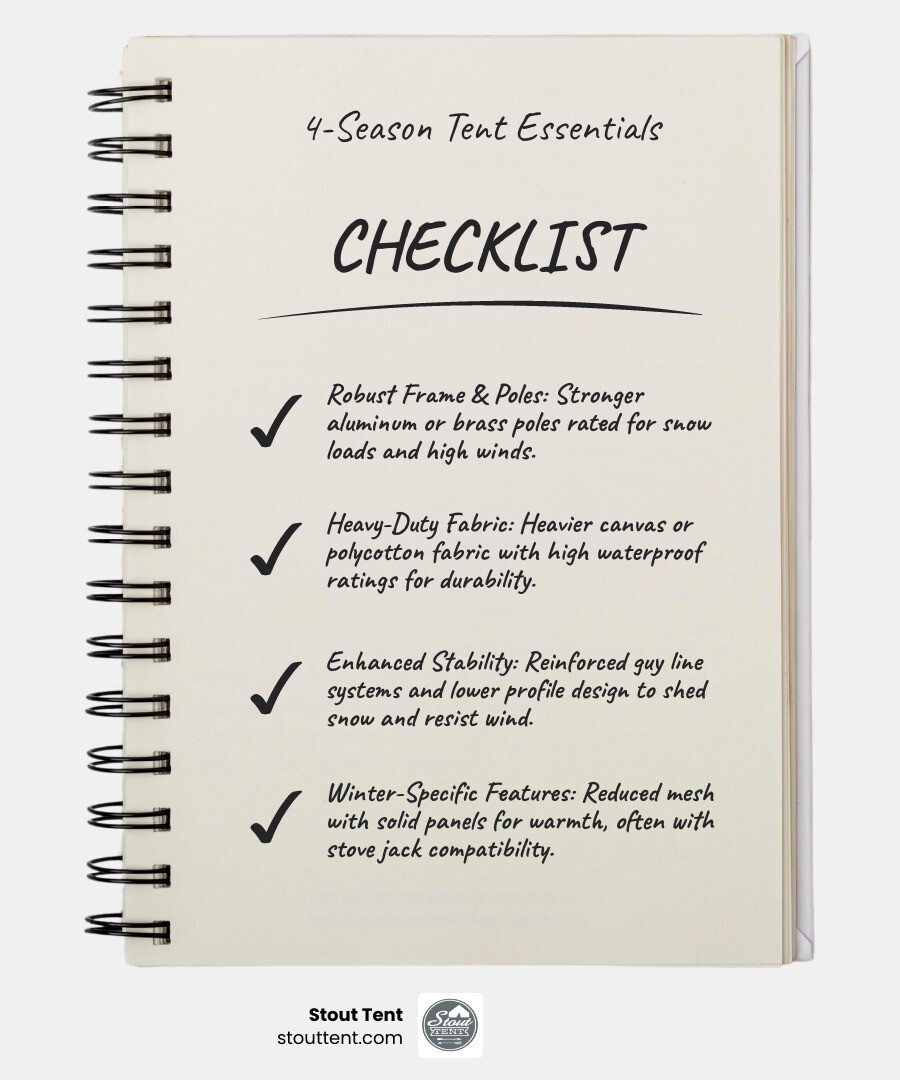
Understanding Winter Tent Classifications
Venturing into the winter wilderness, whether in the snowy peaks of Washington, the crisp deserts of Phoenix, Arizona, or the high plains of the Black Rock Desert, demands a shelter specifically designed for the elements. Our professional-grade canvas bell tents are engineered to meet the rigorous demands of 4-season camping, offering superior protection and comfort when it matters most.

The Superiority of Canvas for Cold Weather
When considering materials for a winter camping tent, canvas stands apart, particularly our high-quality polycotton canvas. Unlike synthetic materials that can struggle with breathability and condensation, canvas offers a unique combination of advantages crucial for cold-weather operations:
- Breathability: Our canvas allows air to pass through its fibers, significantly reducing condensation buildup inside the tent. This is a critical factor in winter, as trapped moisture can lead to damp gear, uncomfortable sleeping conditions, and even frostbite. This natural breathability contributes to a drier, more comfortable interior, which is paramount for safety and morale during extended stays.
- Natural Insulation: The dense weave of canvas provides inherent insulative properties. While not “insulated” in the multi-layer, synthetic sense, canvas naturally traps air within its fibers, acting as a thermal barrier. This means our canvas bell tents are warmer in cold conditions and cooler in the sun, creating a more stable internal temperature. When paired with a tent stove, this natural insulation becomes incredibly efficient at retaining heat.
- Moisture Management: Beyond breathability, canvas excels at managing ambient moisture. It can absorb a small amount of humidity from the air without feeling damp, releasing it slowly, further preventing condensation from dripping down on occupants and gear.
- Durability and Longevity: Our professional-grade canvas is exceptionally robust. It resists tears, punctures, and UV degradation far better than most synthetic fabrics. This durability translates to a lower Total Cost of Ownership (TCO) for our enterprise clients, as our tents are reliable investments built to perform consistently for many seasons, reducing the need for frequent replacements.
Why Structure Matters in Harsh Conditions
The structural integrity of your winter camping tent is non-negotiable. In environments prone to heavy snow loads and gale-force winds, a tent’s design and frame construction are its first line of defense. Our bell tents are renowned for their robust architecture:
- Bell Tent Design: The iconic conical shape of a bell tent is inherently aerodynamic, allowing winds to flow around it with minimal resistance. This design also naturally sheds snow, preventing dangerous accumulation that can collapse weaker structures. The steep walls ensure that snow slides off rather than piling up, maintaining the tent’s structural integrity even under heavy snowfall, which is common in mountainous regions of California or the US Northeast.
- Solid Brass Frame Strength: Unlike tents with lightweight aluminum or composite poles, our bell tents feature solid brass frames. This expert-tested material provides exceptional strength and rigidity, capable of withstanding significant wind pressures and snow loads. The robust central pole and A-frame door support create a stable, dependable shelter even in the most challenging conditions.
- Guy Line Systems: Our bell tents feature multiple reinforced guy line attachment points, ensuring maximum stability. Proper deployment of these guy lines, anchored securely, distributes tension evenly across the tent’s fabric, preventing flapping and structural stress in high winds. This meticulous design ensures that our tents remain steadfast against the unpredictable gusts often encountered in the US Southwest or Pacific Northwest.
- Wind and Snow Load Management: The combination of an aerodynamic shape, a heavy-duty canvas shell, and a solid brass frame means our bell tents are specifically designed for superior wind and snow load management. This expert-tested construction ensures your shelter remains secure, providing peace of mind during winter expeditions.
Critical Features for Your High-Performance Winter Camping Tent
A superior winter camping tent is defined by its features, which are engineered for performance under extreme conditions. Evaluating these elements is crucial for operational success and safety.

Structural Integrity and Frame Design
In the demanding winter environments of the US Northeast or the high desert of Nevada, the framework of your tent is its backbone. Our bell tents are built with professional-grade materials and an expert-tested design to ensure unwavering structural integrity:
- Expert-Tested Pole Materials: Our bell tents are supported by robust solid brass frames. This material is chosen for its exceptional strength-to-weight ratio and resistance to cold-weather embrittlement, ensuring poles remain reliable when temperatures drop. This is a significant upgrade from aluminum or composite poles found in many 4-season synthetic tents, which, while lighter, may not offer the same long-term durability or load-bearing capacity.
- Reinforced Guy Line Attachment Points: We integrate multiple, heavy-duty attachment points for guy lines. These are expertly reinforced to prevent tearing under extreme wind pressure, ensuring that your tent remains securely anchored, even during severe winter storms.
- Snow Load Resilience: The conical structure of our bell tents, combined with the strength of the solid brass frame, provides exceptional resilience against snow accumulation. This design minimizes flat surfaces where snow can collect, allowing it to slide off naturally and preventing structural compromise from heavy loads.
- Wind Stability: The aerodynamic profile and strong frame are further improved by our comprehensive guy line system. When properly pitched and tensioned, these features work in concert to create a shelter that stands firm against powerful winds, a common challenge in exposed winter landscapes.
The Importance of a Stove Jack for a Hot Tent
The ability to heat your shelter transforms a cold-weather tent into a truly comfortable and safe haven. This is where the concept of a “hot tent” and the critical feature of a stove jack come into play.
- What is a hot tent? A hot tent is essentially any tent designed to safely accommodate a portable wood-burning stove. This allows for interior heating, creating a warm, dry living space even in sub-freezing temperatures.
- Advantages of a hot tent: The benefits of a hot tent are profound for winter camping. It provides a reliable source of warmth, allowing occupants to dry wet gear, cook meals more comfortably, and maintain core body temperature. This significantly improves safety and extends the duration one can comfortably spend in extreme cold, from the snowy forests of Washington to the chilly nights in California’s mountains.
- Stove Jack Placement and Heat-Resistant Materials: Our bell tents are designed with integrated stove jacks made from heat-resistant materials. These expertly placed openings allow for the safe routing of a stove pipe through the tent wall or roof, preventing heat transfer that could damage the canvas. The materials around the stove jack are professional-grade, ensuring fire safety and durability.
- Safety Protocols and Carbon Monoxide Risks: While a hot tent offers immense benefits, safety is paramount. Proper installation of your stove and stove pipe, ensuring adequate clearance from tent walls, is crucial. Additionally, sufficient ventilation is essential to mitigate the risk of carbon monoxide buildup. We recommend using a battery-operated carbon monoxide detector inside any hot tent.
- Proper Ventilation: Even with a stove, proper ventilation is key. Our bell tents are designed with ventilation options that allow for airflow while retaining warmth, ensuring fresh air circulation and reducing the risks associated with internal combustion.
A Guide to the Ideal Winter Camping Tent Material
The material of your winter camping tent directly impacts its performance. For the rigorous demands of winter, we advocate for the unparalleled benefits of canvas, specifically our high-quality polycotton blends.
- Canvas and Polycotton Canvas: These materials offer a superior balance of durability, breathability, and natural insulation compared to typical synthetic fabrics. Our professional-grade polycotton canvas is chosen for its inherent strength and its ability to perform across a wide range of winter conditions found in the US Northeast or the US Pacific Northwest.
- Hydrostatic Head (HH) Rating: While often associated with synthetic tents, the HH rating measures a fabric’s waterproofness. Our canvas is treated to achieve excellent water resistance, ensuring that melting snow and rain are effectively repelled. For groundsheets, where direct contact with wet snow is constant, we ensure a hydrostatic head rating well over 10,000mm to prevent moisture ingress.
- Waterproofing vs. Water Resistance: It’s important to differentiate. Our canvas is highly water-resistant and, when properly maintained, sheds water efficiently. Unlike fully waterproof synthetics that can trap condensation, canvas retains its breathability.
- Breathability and Air Permeability: This is where canvas truly excels for winter. Its air-permeable nature allows humid air to escape, dramatically reducing internal condensation. This prevents the clammy, cold interior often experienced with non-breathable synthetic tents, contributing to a much more comfortable and safer environment.
- UV Degradation Resistance: Our canvas is inherently more resistant to UV radiation than many synthetic fabrics, which can become brittle and degrade over time. This longevity further contributes to the lower Total Cost of Ownership (TCO) for our durable shelters.
For more in-depth information on selecting the right material and understanding its properties, we invite you to read our comprehensive canvas tent buying guide.
Ventilation and Condensation Control
Effective ventilation is paramount in a winter camping tent, especially when operating a stove. Without it, condensation can quickly turn your warm sanctuary into a damp, freezing environment. Our bell tents are designed with sophisticated ventilation systems to actively manage interior moisture:
- High and Low Vents: Our tents feature strategically placed high and low vents. The principle is simple: warm, moist air rises and exits through upper vents, while cooler, drier air is drawn in through lower vents. This continuous airflow prevents the buildup of humidity, which is the primary cause of condensation.
- Mesh Panels with Covers: While mesh panels are often associated with 3-season tents, our winter-ready bell tents incorporate them judiciously and with robust covers. This allows for controlled airflow when conditions permit, and complete sealing when warmth retention is critical. The covers are designed to be easily adjustable, giving you precise control over your tent’s microclimate.
- Door and Window Design: The large doors and windows on our bell tents are not just for views. They are integral to the ventilation strategy, allowing for significant airflow when opened, and providing additional venting options even when partially zipped.
- The Role of Breathable Fabric: As discussed, the inherent breathability of our canvas material is the foundational element of our condensation control strategy. It allows for passive air exchange through the fabric itself, a capability that most synthetic tents simply cannot match. This natural air permeability works in conjunction with active venting to maintain a dry and comfortable interior.
- Managing Interior Moisture: Beyond the tent’s features, conscious practices are vital. Avoid bringing excessive snow or ice inside, and ensure all wet gear is properly hung to dry, utilizing the warmth of a tent stove if present. By combining our tent’s expert-tested design with mindful user practices, you can effectively manage interior moisture, ensuring a pleasant and safe winter camping experience.
Sizing Your Shelter: Capacity and Livability in Winter
In winter, interior space is a premium asset. Bulkier sleeping systems, additional gear, and increased time spent inside necessitate a larger footprint than for summer camping. Selecting the correct size is a key operational decision.
Calculating Your Required Winter Camping Tent Size
When choosing the size of your winter camping tent, always err on the side of generosity. Winter gear is bulky, layers of clothing take up space, and spending extended periods indoors during inclement weather demands a comfortable living area.
- Occupant Capacity: While a 5-meter bell tent might comfortably sleep 6-8 people in summer, in winter, this capacity is often reduced to 3-4 people to allow for personal space and gear. For a 2-person expedition, we recommend a 5-meter bell tent for optimal comfort and storage.
- Gear Storage: Bulky items like winter sleeping bags, insulated clothing, snowshoes, and cooking equipment all require dedicated space. A larger tent allows you to keep this essential gear inside, protected from the elements and easily accessible.
- Interior Livability: Winter conditions often mean more time spent inside the tent. Ample headroom and floor space prevent a cramped, claustrophobic feeling, contributing to better morale and comfort. Our bell tents offer generous peak heights and expansive floor areas, creating a truly livable environment.
- Tent Footprint (meters): Consider the actual usable floor area. For example, a 5-meter bell tent offers approximately 19.6 square meters of floor space, while a 6-meter bell tent provides around 28.2 square meters. These dimensions allow for substantial internal volume.
- Headroom: The central pole design of our bell tents provides excellent standing height throughout much of the interior, a welcome luxury when changing clothes or moving around.
- Vestibule Space: While bell tents don’t typically feature separate “vestibules” in the conventional sense, the perimeter of the tent can serve a similar function for storing snow-covered boots or other items that don’t need to be in the main living area.
Sizing for High-Value Use Cases
Our canvas bell tents are professional-grade solutions for a variety of high-value winter camping scenarios, from individual adventurers to family groups.
| Bell Tent Size | Scenario 1: 2-Person Hunting Trip with Gear | Scenario 2: 4-Person Family Glamping | Scenario 3: 6-Person Group Base Camp |
|---|---|---|---|
| 5-meter | Excellent: Ample space for 2 hunters, large sleeping systems, and extensive gear storage, including a stove. | Good: Comfortable for 4 family members with essential gear. May require careful organization if using a stove. | Adequate (tight): Possible for 6, but very limited space for gear or movement. Best for short stays or minimalist approach. |
| 6-meter | Superior: Luxurious space for 2, allowing for dedicated gear zones, a large stove, and maximum comfort during extended hunts. | Excellent: Ideal for 4-6 family members, offering generous living space, comfortable sleeping arrangements, and room for a stove and amenities. | Good: Comfortable for 6, with room for gear and communal space. Optimal for longer stays where livability is key. |
- Hunting Camps: For serious hunters in regions like the US Southwest or Pacific Northwest, a bell tent provides a robust base camp. A 5-meter bell tent offers ample space for two hunters and all their equipment, including a stove, ensuring warmth and the ability to dry gear after a long day in the field. This promotes operational efficiency and sustained comfort.
- Group Camping: Whether it’s a family outing in the California mountains or a group of friends exploring the US Northeast, our larger 6-meter bell tents offer superior livability. They provide enough room for multiple sleeping systems, a central stove, and communal areas, fostering camaraderie and comfort.
- Long-Duration Stays: For extended winter expeditions, the generous interior volume and robust construction of our bell tents become invaluable. They offer a stable, comfortable environment for long-term occupation, reducing the physical and mental strain of harsh conditions.
Mastering Winter Tent Setup and Maintenance
The performance of even the most robust winter camping tent depends on proper deployment and upkeep. An intuitive-pitch canvas shelter simplifies the process, but understanding winter-specific techniques is essential for maximizing stability and longevity.
Site Selection and Pitching in Snow
Setting up a tent in snowy or icy conditions requires careful consideration and specialized techniques to ensure stability and safety. Our intuitive-pitch canvas bell tents simplify the process, but winter-specific knowledge is paramount.
- Choosing a Location: Prioritize safety and shelter. Look for areas naturally protected from wind, such as behind dense tree lines or natural snowdrifts, but always be aware of potential avalanche danger, especially in mountainous regions of Washington or California. Avoid pitching directly under heavily snow-laden branches or deadfall.
- Windbreaks: If natural windbreaks are insufficient, consider building a snow wall on the windward side of your tent. This can significantly reduce wind chill and heat loss.
- Avalanche Safety: Crucially, if you are camping in avalanche terrain (common in the US Pacific Northwest or US Northeast), ensure your chosen site is well outside any avalanche paths. Proper assessment of snow stability and terrain is critical.
- Compacting a Snow Base: Before pitching, thoroughly compact the snow where your tent will sit. This creates a firm, stable platform, preventing soft spots that can lead to uneven settling or cold spots. You can use snowshoes, skis, or simply walk over the area repeatedly. Allow the compacted snow to “sinter” or harden for about 30-60 minutes before setting up your tent.
- Using Snow Stakes: Standard tent stakes are ineffective in snow. We recommend using specialized snow stakes, which are wider and longer, or burying “deadman” anchors (stuff sacks filled with snow, buried horizontally, and attached to guy lines). These provide the necessary holding power in soft snow.
- Anchoring Guy Lines: Our bell tents feature multiple robust guy line attachment points. Use every single one. Securely anchor these lines, ensuring they are taut but not over-tensioned, to distribute wind forces evenly across the tent.
- Tensioning in Cold Temperatures: As temperatures fluctuate, tent fabrics can expand and contract. Regularly check and adjust guy line tension, particularly after a cold night or a period of heavy wind, to maintain optimal stability and prevent sagging.
Maintaining Your Investment
The longevity and continued performance of your professional-grade canvas bell tent depend heavily on proper maintenance, especially in winter. This attention to detail reduces the Total Cost of Ownership (TCO) and ensures your investment remains a reliable asset.
- Cleaning Snow and Ice: Gently brush off accumulated snow from the tent exterior. Avoid heavy scraping or harsh tools that could damage the canvas. If ice forms, allow it to melt naturally or gently chip it away without applying excessive force.
- Drying Procedures: This is arguably the most critical step for canvas tents. Never store a canvas tent wet or even damp. After a winter trip, set up your tent in a warm, dry environment (such as a garage or warehouse) and allow it to air dry completely before packing it away. Ensure all parts, including ropes and poles, are dry.
- Mold and Mildew Prevention: Storing a damp canvas tent is the quickest way to invite mold and mildew, which can permanently damage the fabric and create unpleasant odors. Thorough drying is the best preventative measure. If mold spots appear, they should be treated immediately with specialized canvas cleaning solutions, not harsh chemicals.
- Long-Term Storage: Once completely dry, store your bell tent in a cool, dry, well-ventilated area, ideally in its original bag or a breathable storage container. Avoid airtight containers, which can trap any residual moisture. Proper storage protects the canvas from environmental degradation and ensures it’s ready for its next deployment.
Frequently Asked Questions about Winter Tents
What is the typical investment for a quality winter tent?
A true winter-rated tent is a significant investment in safety and durability. While entry-level synthetic tents may have a lower initial cost, their shorter lifespan and inferior performance increase the total cost of ownership. A professional-grade canvas bell tent, built with robust materials and expert-tested components, represents a long-term asset designed to endure years of harsh use, delivering superior value and reliability. Our tents are designed for longevity, reducing replacement costs and providing a strong return on investment for enterprise clients.
Can a 3-season tent be used for winter camping?
Using a 3-season tent in winter conditions is not recommended and can be dangerous. These tents are designed for milder conditions and typically lack the structural strength to handle significant snow loads or the robust pole systems needed to withstand high winds. Their lighter fabrics and extensive mesh panels are inadequate for retaining warmth, and their ventilation is often insufficient for managing the heavy condensation generated in freezing temperatures. This can lead to a cold, damp, and unsafe interior, risking hypothermia and frostbite. For any serious winter camping, especially in regions like Washington’s mountains or the US Northeast, a dedicated 4-season tent is essential.
How do insulated tents differ from standard tents?
“Insulated tents” typically refer to synthetic tents featuring a multi-layer wall system, often with a quilted synthetic or natural fiber filling between an inner and outer wall. The goal is to create an air gap for thermal insulation. However, a high-quality, heavy-duty canvas bell tent offers substantial natural insulative properties due to the density and weave of its fabric. When paired with a tent stove in a hot tent setup, our canvas bell tents create an exceptionally warm, dry environment that often exceeds the practical performance and comfort of unheated, insulated synthetic models. The breathability of canvas also provides superior moisture management, a critical advantage over potentially clammy synthetic insulation in cold conditions.
Conclusion
Selecting the right winter camping tent is a critical decision that directly impacts safety, comfort, and the success of your cold-weather expeditions. Prioritizing robust, professional-grade materials, a resilient structure capable of handling snow and wind, and essential features like a stove jack and adequate ventilation is non-negotiable. A premium canvas bell tent is an investment in durability and performance, offering unparalleled breathability, insulation, and longevity that synthetic alternatives cannot match. By focusing on the total cost of ownership and operational reliability, you ensure your shelter is a dependable asset for years of winter adventures.
Ready to invest in a shelter thats built to last?
- Explore our expert-tested canvas bell tents
- Discover the advantages of a stove-ready hot tent
- Consult our comprehensive canvas tent buying guide