

Why a Tent with Chimney Hole Transforms Winter Camping
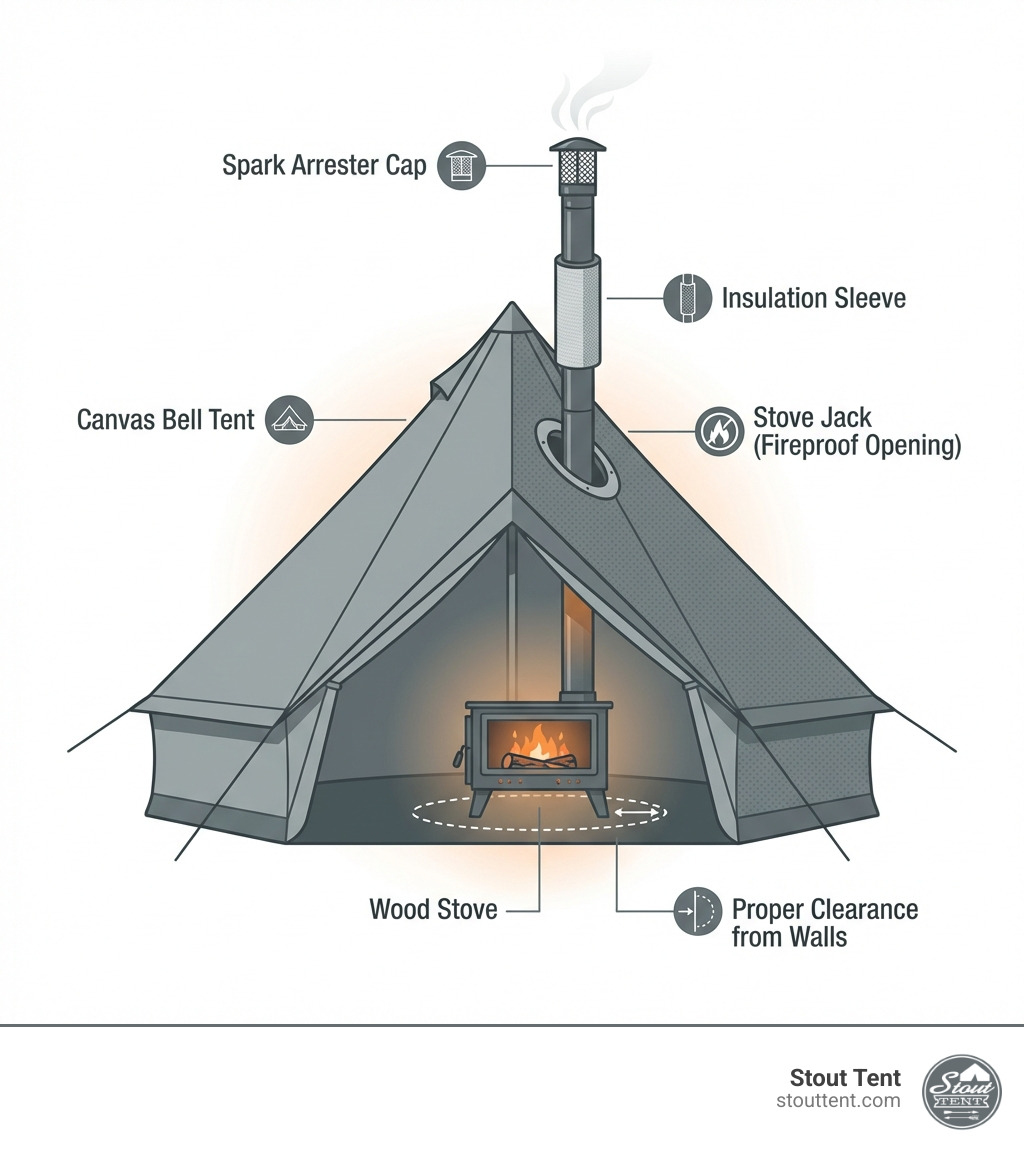
A tent with chimney hole is a canvas shelter specifically designed with a fireproof opening, called a stove jack, that allows safe installation of a wood-burning stove and chimney system. This setup enables four-season camping by providing consistent heat, cooking capability, and gear drying in cold weather conditions.
Key Components of a Hot Tent Setup:
- Stove Jack: A pre-installed, fireproof opening in the tent wall or roof with heat-resistant flashing
- Wood Stove: A compact, portable wood-burning heater designed for tent use
- Chimney System: Insulated pipes that safely vent smoke outside the tent
- Canvas Tent: A breathable, fire-resistant shelter made from professional-grade materials (typically 350-450 GSM)
Winter camping presents real challenges: freezing temperatures, wet gear that won’t dry, and the inability to cook comfortably. A tent with chimney hole solves these problems by turning a cold shelter into a warm, functional basecamp where you can dry soaked clothing, prepare hot meals, and maintain comfortable temperatures even when snow piles up outside.
Recommendations throughout this guide are informed by expert-tested sourcing and evaluation of canvas materials and tent heating systems deployed in demanding field conditions, from snowy forests to high‑altitude basecamps. This process-driven approach to tent construction and stove integration demonstrates that a properly designed tent with chimney hole is essential for serious cold-weather operations.
Understanding the Hot Tent: Types and Materials
When considering a tent with chimney hole, the type of tent and its materials are paramount. This guide focuses on high-quality canvas bell tents, renowned for their robust construction and suitability for heated applications. These bell tents are crafted from professional-grade materials, ensuring they are breathable, rot-proof, and waterproof. The material’s density, measured in Grams per Square Meter (GSM), indicates its durability and performance. For instance, many premium bell tents feature 450GSM extra-thick canvas, which is not only breathable and waterproof but also rot-proof. Some models also use 350GSM canvas, while groundsheets often feature heavy-duty 540 GSM PVC for long-term waterproofing and longevity.
A critical component of any tent with chimney hole is the stove jack. This is the designated opening designed to safely accommodate a stove pipe. Without a properly integrated stove jack, using a stove inside a tent would be unsafe and impractical. For more in-depth information on high-performance bell tents and their features, explore the canvas bell tent collection.
The Superiority of Canvas for Heated Shelters
Canvas stands out as the superior material for heated tent applications for several compelling reasons, all validated through expert-tested scenarios in diverse environments.
- Fire Resistance: While no fabric is entirely fireproof, canvas, particularly treated canvas, offers strong fire-resistant performance. Fire-resistant sleeves and components for chimney pipes are often designed to meet standards such as CPAI-84, as outlined by the California Office of the State Fire Marshal. This level of performance is essential for safety.
- Durability: Professional-grade materials, such as 450GSM canvas, are designed for intensive use and extreme conditions. This robust construction ensures the tent can withstand the rigors of winter weather, including snow loads and strong winds, providing a reliable shelter season after season.
- Breathability: Unlike many synthetic shelters that can trap moisture, canvas is naturally breathable. This characteristic is crucial for managing condensation inside the tent, especially when a heat source is present. Breathability helps maintain a healthier internal environment by allowing air exchange, preventing the clammy feeling often associated with non-breathable fabrics.
- Condensation Management: The breathability of canvas directly contributes to reduced condensation. As warm, moist air inside the tent rises, it can pass through the canvas rather than condensing heavily on the interior walls. This is a significant advantage for comfort and for protecting sleeping bags and gear from persistent dampness. For additional background on moisture and condensation in enclosed spaces, see guidance from the U.S. Environmental Protection Agency.
- Insulation Properties: Canvas offers excellent insulation. It helps to keep the heat generated by a stove inside the tent during cold weather and keeps the interior cooler during hot days by allowing air to circulate. This thermal regulation contributes to a more stable and comfortable internal temperature.
What is a Stove Jack or Tent with Chimney Hole?
The “chimney hole” is technically known as a stove jack or flue opening. It is a critical feature that transforms a standard canvas tent into a safe and functional hot tent. A stove jack is a pre-installed, reinforced opening in the tent’s roof or wall, specifically designed to allow a stove pipe to pass through without damaging the tent fabric or posing a fire hazard.
These fittings are typically made from fire-resistant materials, often featuring a silicone flashing that creates a tight, heat-resistant seal around the stove pipe. For example, some bell tents come with a pre-cut 6-inch hole for chimney fitting, often accompanied by a hook & loop canvas cover. This cover ensures that when a stove is not in use, the opening can be securely closed, protecting the tent’s interior from weather and insects. The flue-pipe sleeve is typically made of fire-resistant, tear-resistant, and waterproof soft canvas, designed to meet stringent fire-resistance and waterproofness expectations.
Proper installation also often involves a dedicated flashing kit, which is essential for creating a secure and weather-tight seal around the chimney pipe. This kit includes components that effectively manage the interface between the hot stove pipe and the tent fabric, preventing both heat damage and water ingress. For detailed internal guidance on stove jack integration and hot tent components, refer to the Ultimate Tent Stove Guide.
The Transformative Benefits of a Heated Tent
A tent with chimney hole fundamentally changes the winter camping experience, elevating it from a test of endurance to a comfortable and enjoyable retreat. The ability to safely incorporate a wood-burning stove offers a multitude of benefits that make four-season camping not just possible, but genuinely pleasant. For a comprehensive overview of how to maximize warmth in your canvas shelter, refer to our Cheat sheet to tent heat solutions.
- Four-Season Capability: A heated tent extends your camping season far beyond the warmer months. With a reliable heat source, you can comfortably camp in freezing temperatures, snow, and even during shoulder seasons when nights are cold.
- Consistent Warmth: The primary benefit is, of course, warmth. A wood-burning stove provides steady, radiant heat that can keep the interior of your canvas bell tent surprisingly cozy, even when it’s well below freezing outside. Stoves like the Eldfell 9 Pro are designed for “reliable heat and effortless performance” in cold conditions, ensuring a comfortable environment for prolonged stays.
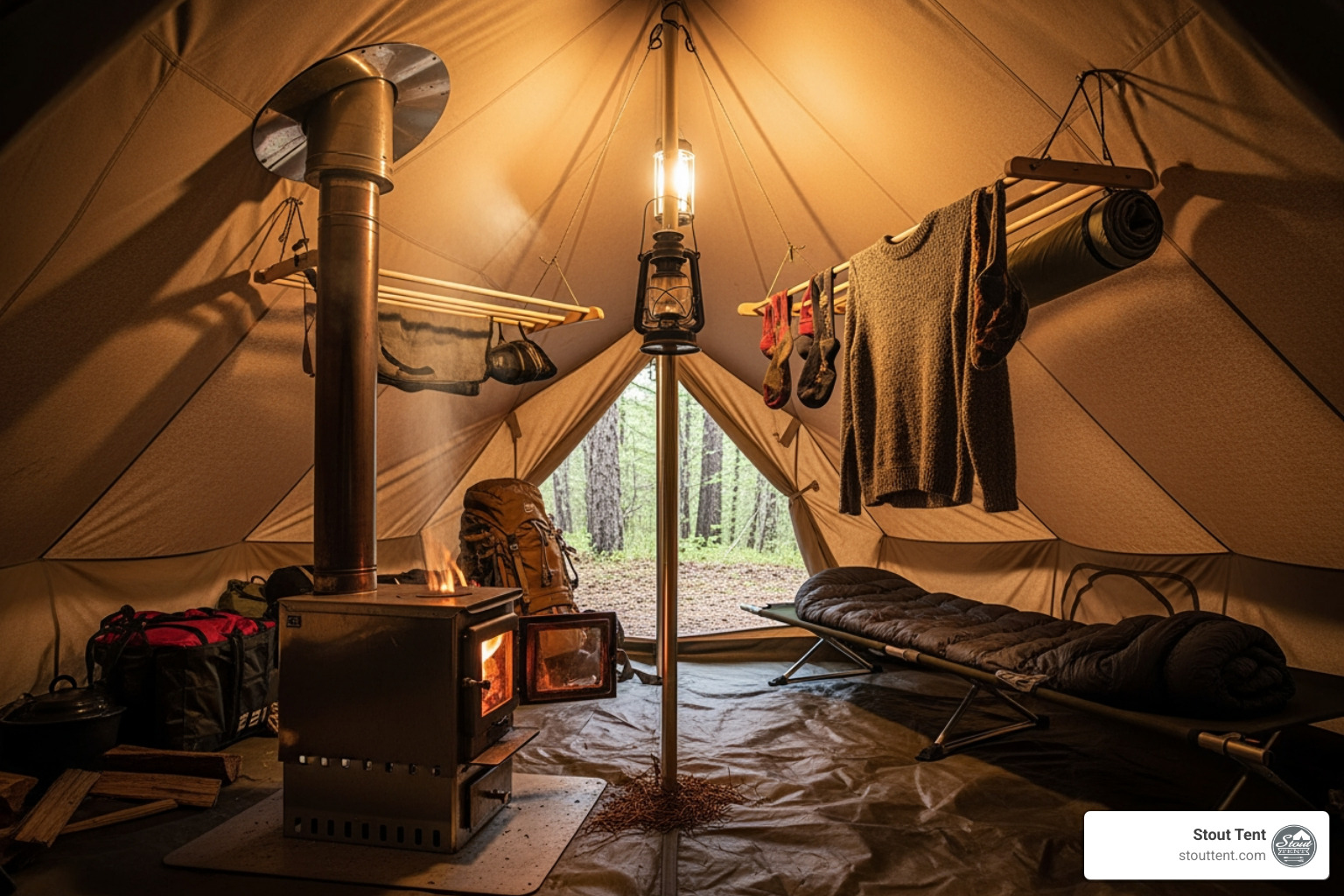
- Drying Gear: Wet clothes and gear can quickly become a serious problem in cold weather. A stove allows you to dry out damp items, preventing discomfort, hypothermia, and mold growth. You can hang wet gloves, socks, and jackets near the stove, turning your tent into a functional drying room.
- Cooking Capabilities: Preparing hot meals is a joy with a tent stove. Many stoves come with flat tops that double as cooking surfaces, allowing you to boil water, simmer stews, or even bake using a stove-top oven. This capability improves the overall camping experience, providing nutritious and comforting food in harsh conditions.
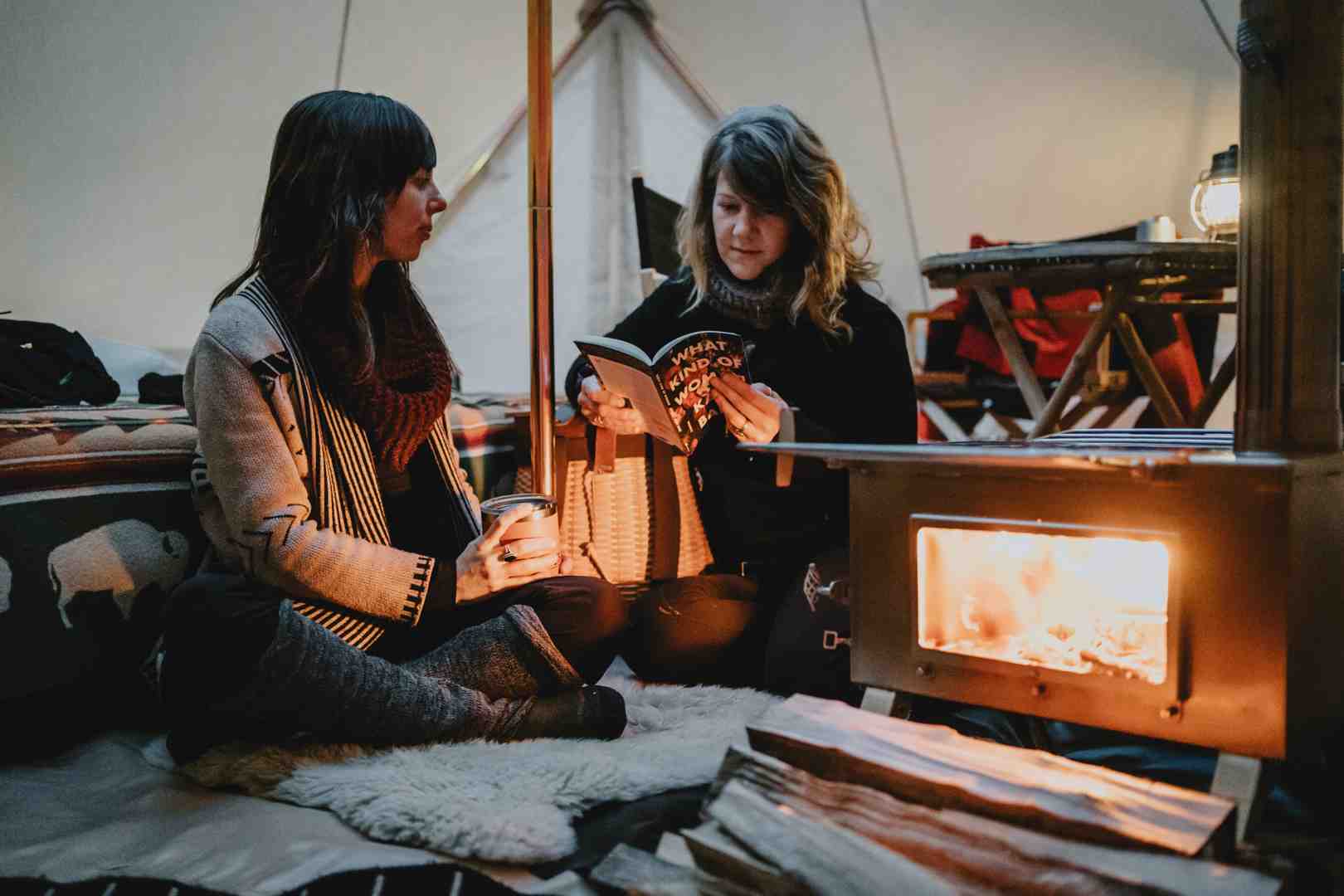
- Morale Boost & Ambiance: There’s an undeniable psychological benefit to a warm, glowing fire in your tent. It creates a welcoming, comfortable atmosphere that significantly boosts morale, especially after a long day in the cold. The crackling sounds and visual warmth contribute to a truly unique and memorable camping experience.
Creating a Comfortable Basecamp Environment
Beyond just warmth, a tent with chimney hole fosters a truly comfortable and functional basecamp environment. Understanding how heat distributes and how to leverage your stove for cooking versatility is key to maximizing this comfort.
Heat distribution within a canvas bell tent equipped with a stove is largely driven by convection currents. Warm air rises, circulates, and then descends as it cools, creating a relatively even temperature throughout the tent. The design of stoves like the Eldfell, which places the combustion chamber nearer the ground, maximizes heat distribution where it’s most needed, improving wood-burning efficiency compared to stoves where more heat escapes up the chimney. This efficient design ensures that heat is effectively transmitted into the tent space, keeping occupants warm and comfortable.
A heated tent also transforms into a social hub, offering a cozy gathering space for companions to relax, share stories, and enjoy the warmth. For comprehensive guidance on how to effectively heat your canvas tent, check out our detailed guide: How do you heat a canvas tent.
The cooking versatility offered by a tent stove is another significant advantage. Many stoves are designed not only for heating but also for cooking, turning your tent into a functional kitchen. Whether you’re brewing coffee, cooking a hearty breakfast, or even making pizza with specialized attachments, the possibilities are vast. Explore advanced cooking options with the Woodlander Pizza Oven Stove Large.
Selecting and Installing Your Tent Stove System
Choosing the right stove and understanding its proper installation is crucial for safety and efficiency in your tent with chimney hole. A detailed, operations-focused overview of compatible stove models and configuration options is available in the Ultimate Tent Stove Guide.
When selecting a wood-burning stove, prioritize models specifically designed for tent use. These stoves are typically compact, portable, and constructed from durable materials like high-quality stainless steel, as seen in the Eldfell 9 Pro. Stainless steel is chosen for its ability to withstand extreme cold and intensive use, ensuring longevity and reliable performance. Heat output is another critical consideration, depending on the size of your tent and the expected external temperatures. A larger tent (for example, a bell tent in the 5 m to 6 m range) or colder conditions will require a stove with a greater heat output.
Compatible Stoves for Your Tent with a Chimney Hole
A variety of stoves are compatible with canvas bell tents equipped with chimney holes, each offering specific features to support operational reliability in cold conditions. For a detailed comparison of different models and their performance characteristics, consult the tent wood burner comparison.
Popular options include the Woodlander stove series, known for robust construction and efficient heating. The Woodlander Wood-Burning Stove is a prime example of a reliable stove for cold-weather camping, particularly when configured with appropriate pipe sections and accessories. For those who prioritize visual monitoring of the fire, the Nomad View stove series, including models with large viewing windows, offers extensive glass panels to observe combustion and adjust fuel loading with precision.
Beyond the stove itself, a range of stove accessories can significantly improve functionality. For instance, a hot water tank accessory can provide a constant supply of hot water for washing or drinking, adding a layer of convenience and readiness to your outdoor operations. The Eldfell 9 Pro, specifically, is designed for use in hot tents and canvas shelters, offering steady heat and long-lasting performance. Its spacious combustion chamber, about 50 cm long, can accommodate large logs, reducing the frequency of refueling.
Proper Installation of a Chimney System
Proper installation of your chimney system is essential for safety and efficient operation. A comprehensive internal guide on tent stove installation, including diagrams and checklists, is available in our guide on how to install a tent stove.
The process typically involves:
- Flashing Kit Installation: This is the crucial step for sealing the stove jack around the chimney pipe. The silicone flashing ensures a weather-tight and heat-resistant seal, preventing heat transfer to the tent fabric and keeping rain or snow out.
- Chimney Pipe Assembly: Stove pipes are usually modular, connecting sections to achieve the necessary height for proper draw and to vent smoke above the tent. Ensure all sections are securely fitted to prevent smoke leaks and maintain drafting performance.
- Extendable Insulation Pipe: An extendable insulation pipe is vital. It protects the tent fabric from direct heat, even in strong winds, maintaining a safe distance between the hot pipe and the canvas. Fire-resistant sleeves should be checked regularly for integrity and correct positioning.
- Spark Arrester: At the very top of the chimney, a spark arrester is essential. This device prevents embers and sparks from escaping the chimney and landing on the tent fabric or surrounding dry vegetation, protecting both the tent and the environment. The importance of spark control is reinforced in wildfire prevention resources from agencies such as the U.S. Forest Service.
- Correct Stove Positioning: The stove should be placed on a heat-resistant mat and positioned centrally enough to allow for proper clearance from tent walls and any flammable items. Some stoves feature legs notched or formed for stability on uneven terrain or snow, supporting secure positioning under load.
Always ensure that the entire system, from stove to spark arrester, is stable and secure before lighting a fire.
Critical Safety Protocols for Tent Stove Use
Using a stove in a tent with chimney hole dramatically improves the camping experience, but it comes with critical safety responsibilities. Adhering to strict safety protocols is essential to prevent accidents and ensure a safe, dependable setup. Always familiarize yourself with local regulations and campsite rules regarding open fires and stove use in tents. For official guidance on fire safety principles, review resources from the U.S. Fire Administration.
Mitigating Fire and Carbon Monoxide Risks
The two primary hazards when using a tent stove are fire and carbon monoxide poisoning. Both can be effectively controlled with proper precautions.
- Carbon Monoxide Detectors: Carbon monoxide (CO) is an odorless, colorless gas produced by incomplete combustion. It can be deadly. Always use a battery-operated carbon monoxide detector inside your tent with chimney hole when operating a stove. Place it at sleeping level to support early detection. For more information on CO poisoning, consult the Centers for Disease Control and Prevention.
- Ensuring Adequate Airflow: While a stove provides warmth, proper ventilation is crucial to prevent CO buildup and maintain healthy air quality. Even with a chimney, fresh air intake is necessary. Keep tent vents partially open, or slightly crack a door, and avoid sealing the tent completely.
- Never Leaving a Fire Unattended: A burning stove should always be supervised. Ensure the fire is completely out and the stove is cool before leaving your tent or going to sleep, unless you are following a rigorously controlled overnight burn protocol with appropriate monitoring.
- Spark Arrester Function: As mentioned, a spark arrester prevents embers from escaping the chimney. Regularly inspect and clean your spark arrester to ensure it is clear of creosote buildup and functioning effectively. This protects both your tent and the surrounding environment from potential fires. Guidance on chimney fire risks and creosote management is also available through the U.S. Fire Administration.
- Heat-Resistant Mat: Always place your stove on a non-combustible, heat-resistant mat. This protects the tent’s groundsheet from stray embers or excessive heat from the stove’s base.
- Keeping Combustibles Clear: Maintain a safe clearance between the stove and all flammable materials, including tent walls, sleeping bags, clothing, and firewood. An extendable insulation pipe helps protect tent fabric from heat, even in strong winds, but a generous safety margin is still essential.
Consistently applying these safety measures ensures that the warmth and utility of your tent stove support secure winter camping operations rather than introducing unmanaged risk.
Optimizing Your Setup with Inner Tents and Maintenance
To further improve comfort and longevity in your tent with chimney hole, integrating an inner tent and committing to regular maintenance are key. Inner tents offer additional layers of insulation, bug protection, and help manage condensation, while diligent maintenance ensures your equipment remains in top condition for years of demanding use.
The Advantages of an Inner Tent
Canvas bell tents are designed to function effectively on their own, but an inner tent offers significant advantages, particularly for those seeking a lifted and controlled camping environment.
- Creating Separate Rooms: Inner tents, such as a 5-meter bell tent inner tent, can create a half-moon separate compartment within a larger bell tent. This allows for dedicated sleeping areas, separating them from the main living or cooking space. Blackout inner tents, such as 4-meter and 4.5-meter blackout models, go a step further by blocking most sunlight, supporting uninterrupted morning slumbers. Some even feature a zippable divider, allowing configuration as one expansive sleeping chamber or two defined compartments.
- Bug-Proof Space: Inner tents typically feature mesh walls or doors, creating a bug-free sanctuary within your tent. This is invaluable for protection against mosquitos and other insects, especially in warmer climates or during evenings.
- Improved Insulation: An inner tent adds an extra layer of fabric, creating an air pocket that improves insulation. This helps retain heat generated by your stove, contributing to better heat distribution and making your tent even warmer in cold conditions and cooler in hot weather. This can extend the seasons a bell tent can be used.
- Privacy: The enclosed space of an inner tent provides an additional level of privacy within a larger group tent.
- Condensation Reduction: By creating a barrier between the living space and the outer canvas, inner tents can help reduce condensation inside the sleeping area. The breathable fabric of inner tents, sometimes Teflon-impregnated ripstop fabric, combined with air intakes, facilitates effective ventilation. For broader guidance on moisture control and indoor air quality, see the U.S. Environmental Protection Agency.
For additional operational tips on configuring sleeping and living zones inside a bell tent, refer to the canvas tent comfort guide.
Long-Term Maintenance for Your Tent and Stove
Proper maintenance is essential for extending the lifespan of your tent with chimney hole and its associated stove system. Regular care supports optimal performance and safety.
- Cleaning the Stove: After each use, allow your stove to cool completely before cleaning. Remove ash from the firebox and wipe down the exterior. Periodic, more thorough cleaning, especially of the internal components, will help limit corrosion and maintain efficiency.
- Removing Creosote from Chimney: Creosote, a flammable byproduct of wood combustion, can build up in the chimney pipes. Regularly inspect the chimney sections and use a chimney brush to remove creosote buildup. This is critical for reducing chimney fire risk; see additional background on heating equipment safety at the U.S. Fire Administration.
- Inspecting the Stove Jack: Before and after each trip, carefully inspect the stove jack and flashing kit for any signs of wear, tears, or heat damage. Ensure the silicone is intact and creating a tight seal around the pipe. Replace components as needed.
- Canvas Care: Professional-grade canvas is durable, but it still benefits from care. Keep the canvas clean, especially before long-term storage, to reduce the likelihood of mold and mildew. Spot clean any dirt or stains with a mild soap and water solution. Ensure the tent is completely dry before packing it away to avoid mildew.
- Proper Storage Procedures: Store your tent and stove in a dry, well-ventilated area. Ensure all components are clean and dry before storage. Store the tent loosely rather than tightly packed for extended periods to allow for air circulation.
Conclusion
Embracing a tent with chimney hole opens up a world of four-season camping possibilities, changing cold, challenging environments into warm, controlled retreats. By utilizing professional-grade materials and expert-tested stove systems, a hot tent setup delivers not just shelter, but a comfortable and secure basecamp for extended operations. The integration of a wood-burning stove offers substantial warmth, cooking capabilities, and the ability to dry gear, making winter camping more practical and sustainable.
However, these performance advantages come with the responsibility of adhering to strict safety protocols, particularly regarding fire prevention and carbon monoxide management. Proper installation, consistent ventilation, and diligent maintenance of both your tent and stove are essential to supporting a safe, long-lasting system.
For tailored guidance on configuring a tent with chimney hole for your specific environment and mission profile, contact the expert support team.