

Beyond the Forecast: Top 4-Season and 4-Person Waterproof Tents Reviewed
Why Choosing the Right Waterproof Shelter Matters for Your Outdoor Investment
A 4 person tent waterproof system is your first line of defense against unpredictable weather. For glamping operators and outdoor triprs alike, the difference between a truly waterproof tent and one that merely claims to be can make or break an investment and an experience. Top 4-Person Waterproof Tent Categories:- All-Weather Dome Fortress - 3000mm+ HH rating, geodesic design, full rainfly coverage
- Budget-Friendly Weekend Warrior - 1000-2000mm HH rating, lightweight materials, partial coverage
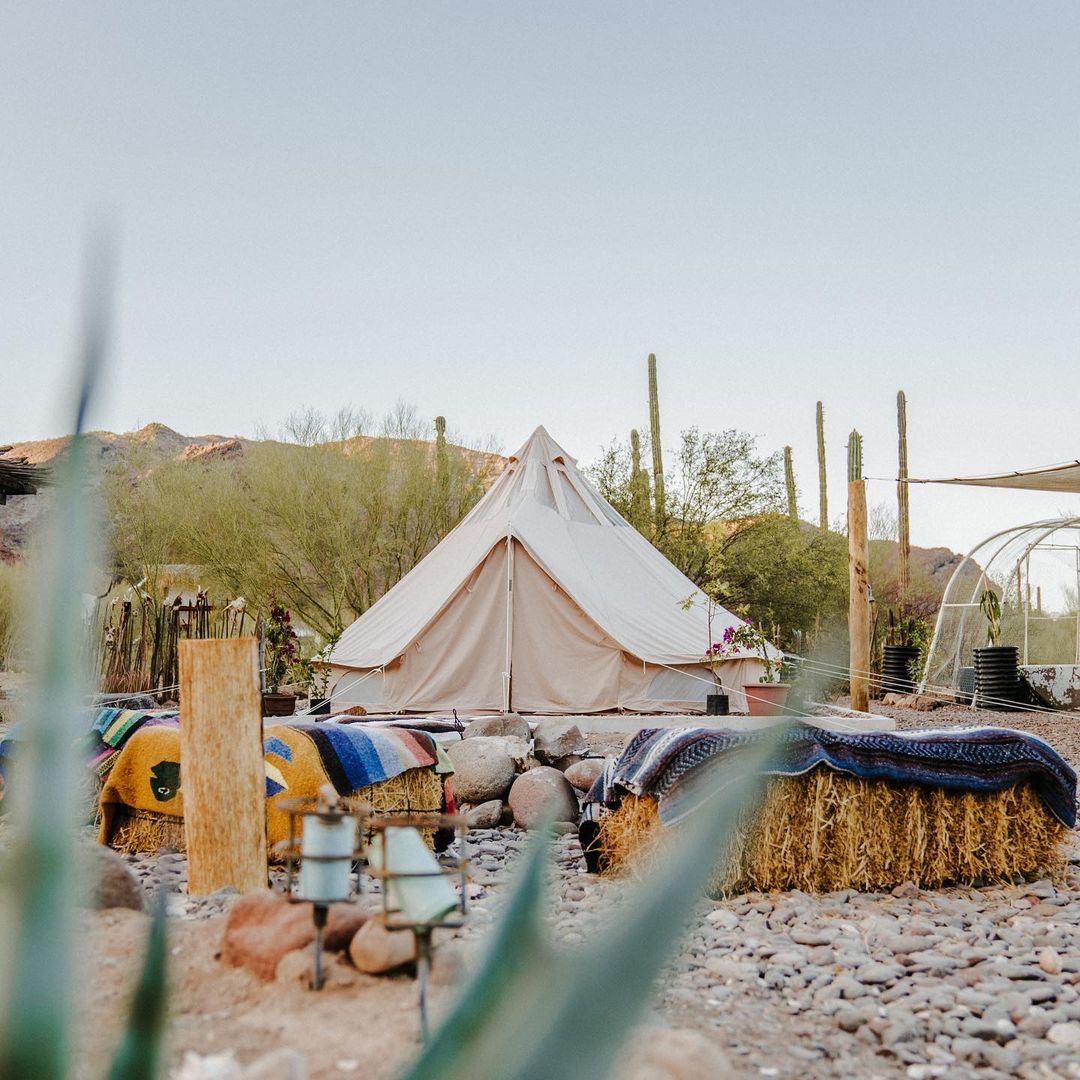
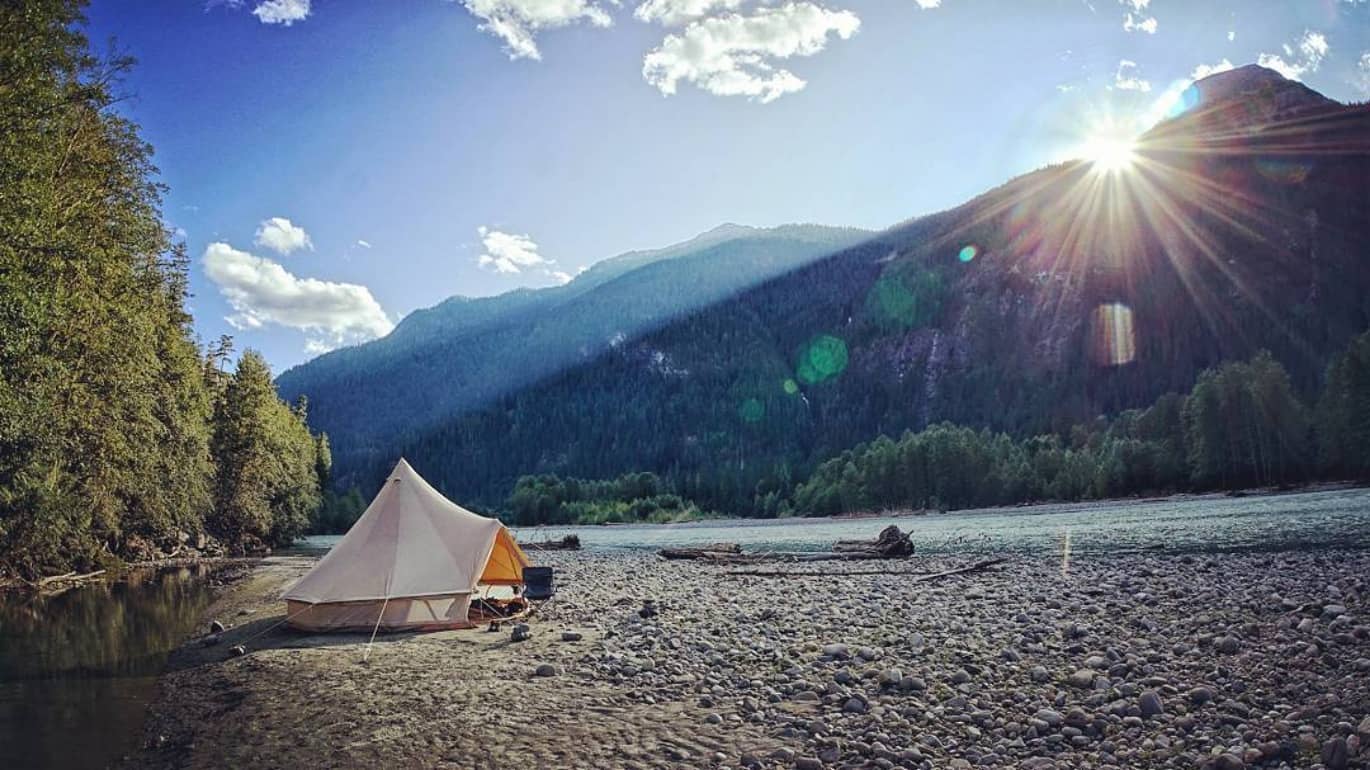
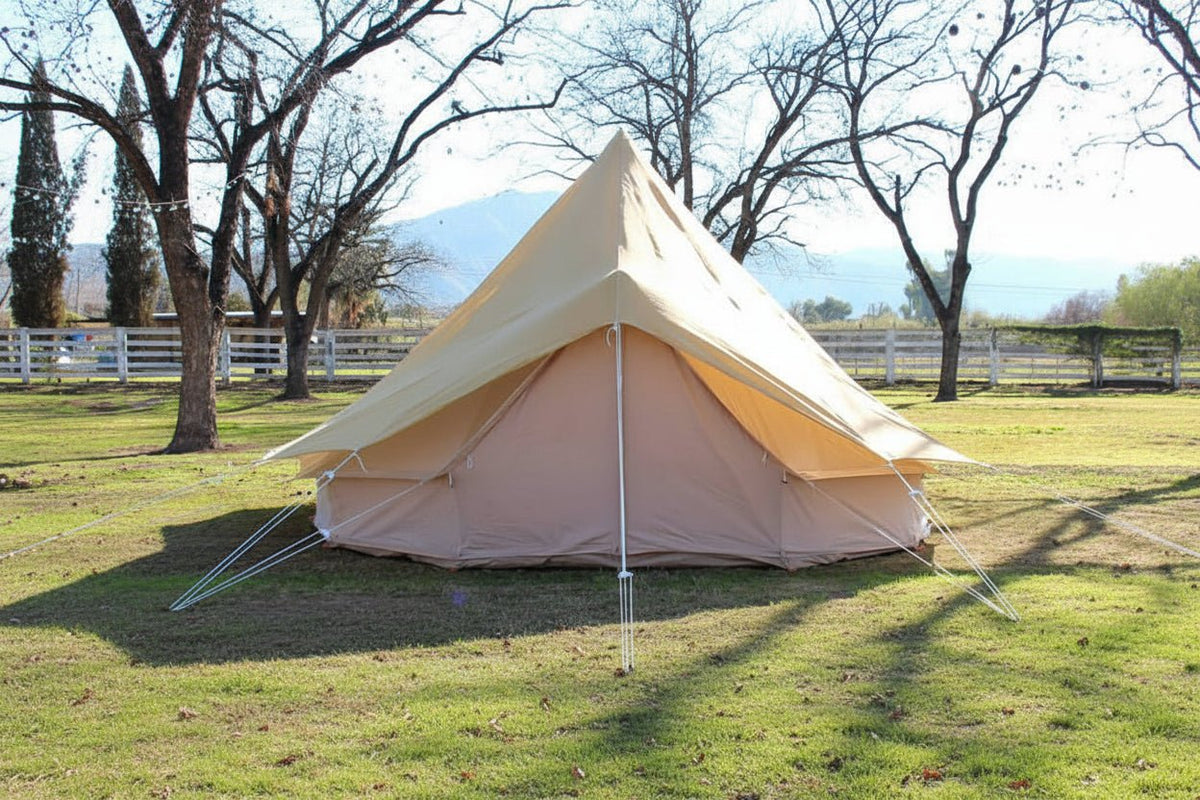
- Rugged Canvas Basecamp - Hydra-Shield™ treatment, breathable cotton duck, all-season durability
- Hydrostatic Head (HH) Rating: 2000-3000mm for moderate to heavy rain, 3000mm+ for extreme conditions
- Seam Sealing: Fully taped or sealed seams prevent water infiltration through stitching
- Full Coverage Rainfly: Must extend close to ground level for maximum protection
- Bathtub Floor Design: Prevents water from splashing up through tent base

Decoding Waterproof Features: What Really Keeps You Dry?
The difference between a truly 4 person tent waterproof shelter and one that just looks waterproof becomes clear in a downpour. It's not magic; it's a combination of advanced materials, smart engineering, and attention to detail. After years of setting up glamping events, I've seen what happens when these elements fail. Let's break down what actually keeps you dry.Understanding Hydrostatic Head (HH) Ratings
Think of Hydrostatic Head ratings as your tent's report card for water resistance. This isn't marketing fluff - it's a real measurement of how much water pressure your tent fabric can handle before it starts leaking. Here's how the numbers break down in the real world:- 1000-2000mm HH: Suitable for light rain and fair-weather trips. These tents will struggle in a sustained downpour.
- 2000-3000mm HH: The sweet spot for most family camping. This rating handles heavy rainfall and moderate storms, keeping you dry through afternoon thunderstorms or coastal weather.
- 3000mm+ HH: Built for extreme weather. These tents are for serious triprs and professionals facing relentless rain and harsh conditions.
The Role of Fabric and Design in a 4 person tent waterproof System

- Seam Sealing: Every stitch in a tent is a potential leak. Quality tents use factory-taped or heat-sealed seams to create an impenetrable barrier.
- Tent Materials: Most synthetic tents use a polyurethane coating to block water, but this can trap condensation. Canvas versus synthetic materials is a key choice. Our canvas tents use Hydra-Shield™ treated cotton that is both watertight and breathable, reducing condensation for a more comfortable environment. Synthetics are lighter but often sacrifice breathability.
- Pole Structure: Strong poles (ideally aluminum) keep the tent taut, preventing water from pooling on the roof. A saggy tent is a leaky tent.
- Tent Design: Dome-shaped tents excel at shedding wind and rain, while cabin tents offer more interior space. The key is balancing weather performance with your space requirements.
- Full Coverage Rainfly: This is perhaps the most critical feature. A rainfly that extends nearly to the ground creates a complete barrier against driving rain, unlike partial flies that only cover the top.
- Bathtub Floor Design: The tent floor material should curve up the sidewalls several inches, creating a seamless "bathtub" that keeps puddles and splashing rain out.
- Ventilation: Good airflow is essential to combat condensation from your breath and perspiration. Strategic vents and breathable fabrics prevent you from waking up damp even if it hasn't rained.
- Wind Resistance: Properly tensioned guy lines are crucial. They keep the rainfly taut and aerodynamic, helping it shed both wind and rain effectively.
A Guide to the Best 4 person tent waterproof Categories
Not all 4 person tent waterproof options are created equal. They generally fall into three performance categories, each suited to a different camping style. Matching your tent to your trip is the key to staying dry.The All-Weather Dome Fortress
 These tents are the armored vehicles of the camping world, built to handle serious weather. They feature high hydrostatic head ratings (3000mm+), a strong pole structure (often geodesic designs using aluminum poles), and a full-coverage rainfly that extends to the ground. This design creates a complete weather shell and useful vestibule space for wet gear.
Pros: These tents offer best-in-class stability in high winds and superior durability. You get reliable protection that lets you sleep soundly through any storm.
Cons: They're heavier than other options, making them better for car camping. The higher cost reflects their premium materials and construction.
These tents are the armored vehicles of the camping world, built to handle serious weather. They feature high hydrostatic head ratings (3000mm+), a strong pole structure (often geodesic designs using aluminum poles), and a full-coverage rainfly that extends to the ground. This design creates a complete weather shell and useful vestibule space for wet gear.
Pros: These tents offer best-in-class stability in high winds and superior durability. You get reliable protection that lets you sleep soundly through any storm.
Cons: They're heavier than other options, making them better for car camping. The higher cost reflects their premium materials and construction.
The Budget-Friendly Weekend Warrior
For fair-weather trips or those new to camping, this category offers practical protection without a high price tag. They typically have moderate HH ratings (1000-2000mm), which is enough for light summer showers. They often use lighter fiberglass poles and a partial rainfly that covers the roof to keep costs and weight down. Pros: The biggest advantage is they're affordable, making camping accessible. They're also lightweight and feature easy setup. Cons: They're less durable than premium options and not built for extreme weather. Heavy storms or strong winds can push these tents to their limits.The Rugged Canvas Basecamp
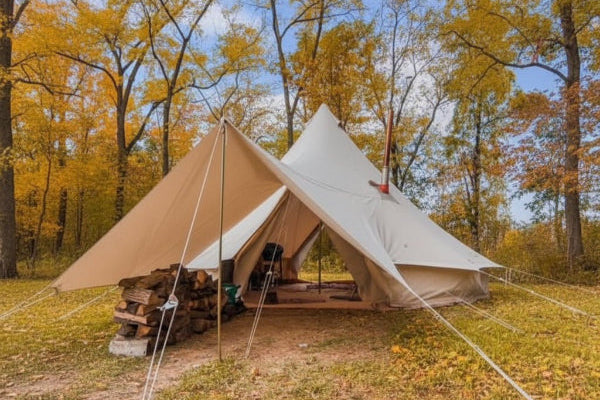
 Canvas tents offer a unique combination of comfort, durability, and weather protection, making them a true investment for your basecamp.
Our Hydra-Shield™ canvas is made from 100% cotton duck. Instead of a plastic coating, it uses a tight weave and natural fiber swelling to become waterproof while remaining highly breathable. This breathability dramatically reduces condensation, eliminating the clammy feeling common in synthetic tents.
The durability is legendary. With heavy-duty vinyl floors and robust steel poles, these tents handle fierce winds and rain with ease. Canvas is also remarkably quiet in the wind, absorbing sound rather than flapping and rustling. Their natural insulation makes them ideal for all-season use, staying cooler in summer and warmer in the cold, as detailed in our winter camping guide.
Pros: You get exceptional longevity, unparalleled comfort from natural breathability, and robust waterproofing that is quiet in the wind.
Cons: Canvas is heavier than synthetics, making it best for car camping. New tents require seasoning (a cycle of wetting and drying) and have a larger packed size.
For families planning glamping experiences or anyone wanting a true home-away-from-home, our canvas tents provide an unbeatable combination of comfort and weather protection. Explore our full selection of high-quality tents to find your perfect canvas companion.
Canvas tents offer a unique combination of comfort, durability, and weather protection, making them a true investment for your basecamp.
Our Hydra-Shield™ canvas is made from 100% cotton duck. Instead of a plastic coating, it uses a tight weave and natural fiber swelling to become waterproof while remaining highly breathable. This breathability dramatically reduces condensation, eliminating the clammy feeling common in synthetic tents.
The durability is legendary. With heavy-duty vinyl floors and robust steel poles, these tents handle fierce winds and rain with ease. Canvas is also remarkably quiet in the wind, absorbing sound rather than flapping and rustling. Their natural insulation makes them ideal for all-season use, staying cooler in summer and warmer in the cold, as detailed in our winter camping guide.
Pros: You get exceptional longevity, unparalleled comfort from natural breathability, and robust waterproofing that is quiet in the wind.
Cons: Canvas is heavier than synthetics, making it best for car camping. New tents require seasoning (a cycle of wetting and drying) and have a larger packed size.
For families planning glamping experiences or anyone wanting a true home-away-from-home, our canvas tents provide an unbeatable combination of comfort and weather protection. Explore our full selection of high-quality tents to find your perfect canvas companion.
3-Season vs. 4-Season Tents: Which Is Right for Your Trip?
Choosing between a 3-season and 4-season tent is a critical decision when buying a 4 person tent waterproof shelter. 3-season tents are designed for spring, summer, and fall, prioritizing ventilation with large mesh panels to keep you cool. 4-season tents are built for winter, engineered to handle heavy snow, high winds, and freezing temperatures by trading ventilation for insulation and strength.| Feature | 3-Season Tent | 4-Season Tent |
|---|---|---|
| Intended Use | Spring, Summer, Fall; mild to moderate weather | Year-round, including winter; extreme cold, snow, wind |
| Weather Conditions | Rain, light wind, moderate temperatures | Heavy snow, high winds, freezing temperatures |
| Snow Loads | Not designed for heavy snow; can collapse | Reinforced to shed and withstand significant snow |
| Ventilation | Extensive mesh panels for maximum airflow | Minimal mesh, often closable panels for insulation |
| Pole Strength | Lighter poles (fiberglass/thin aluminum); fewer cross-overs | Thicker, stronger aluminum poles; more cross-overs |
| Fabric Weight | Lighter fabrics; often less durable | Heavier, more durable fabrics for insulation/strength |
Maximizing Your Shelter: Pro Tips for Setup and Maintenance
Even the best 4 person tent waterproof system is only as good as its setup and maintenance. Proper care can make the difference between staying dry and getting soaked. A few simple practices can transform your camping experience.Essential Accessories for a Truly Waterproof 4 person tent
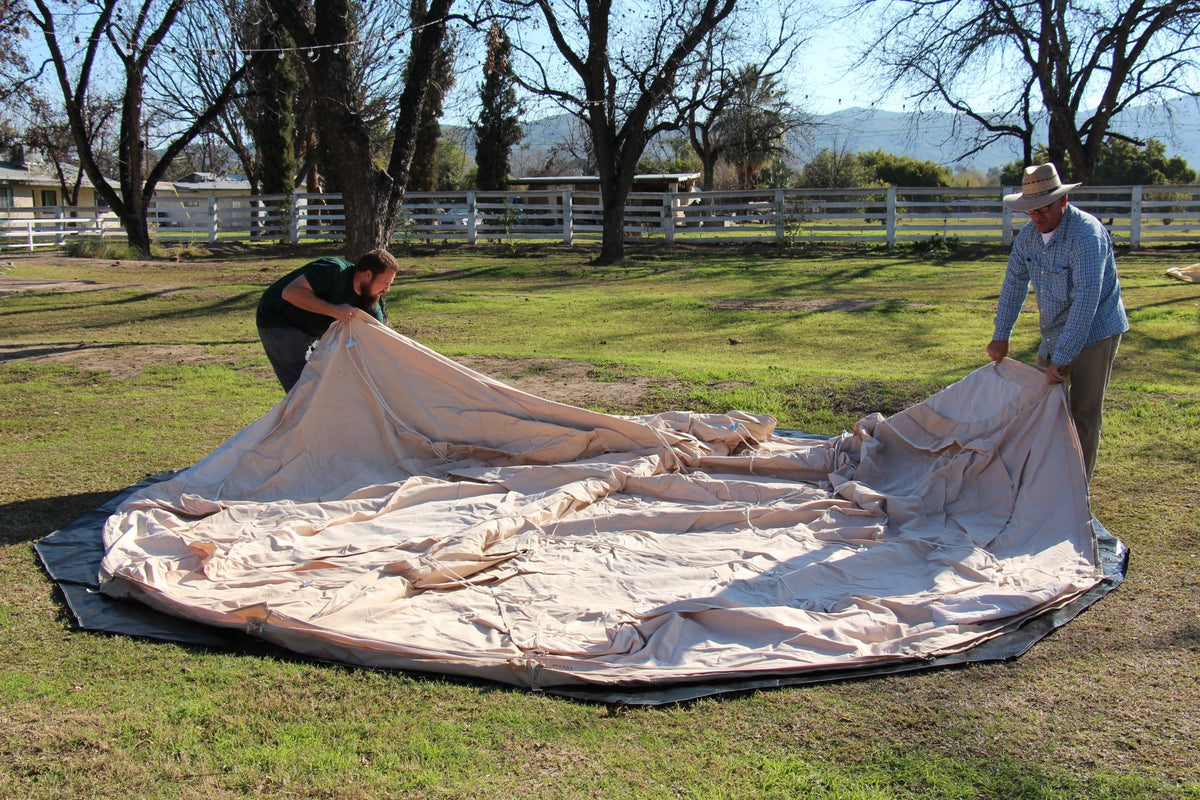
- Footprints and Tarps: A footprint protects your tent floor from punctures and moisture. It must be sized correctly—never let it extend beyond the tent's edge, as it will collect and channel rain underneath your floor.
- Seam Sealing: Apply liquid seam sealer to all stitched seams, especially on the rainfly and floor. This simple step is a powerful defense against leaks.
- Waterproofing Spray: Reapply a DWR (Durable Water Repellent) spray to your rainfly at the start of each season to restore its ability to bead and shed water.
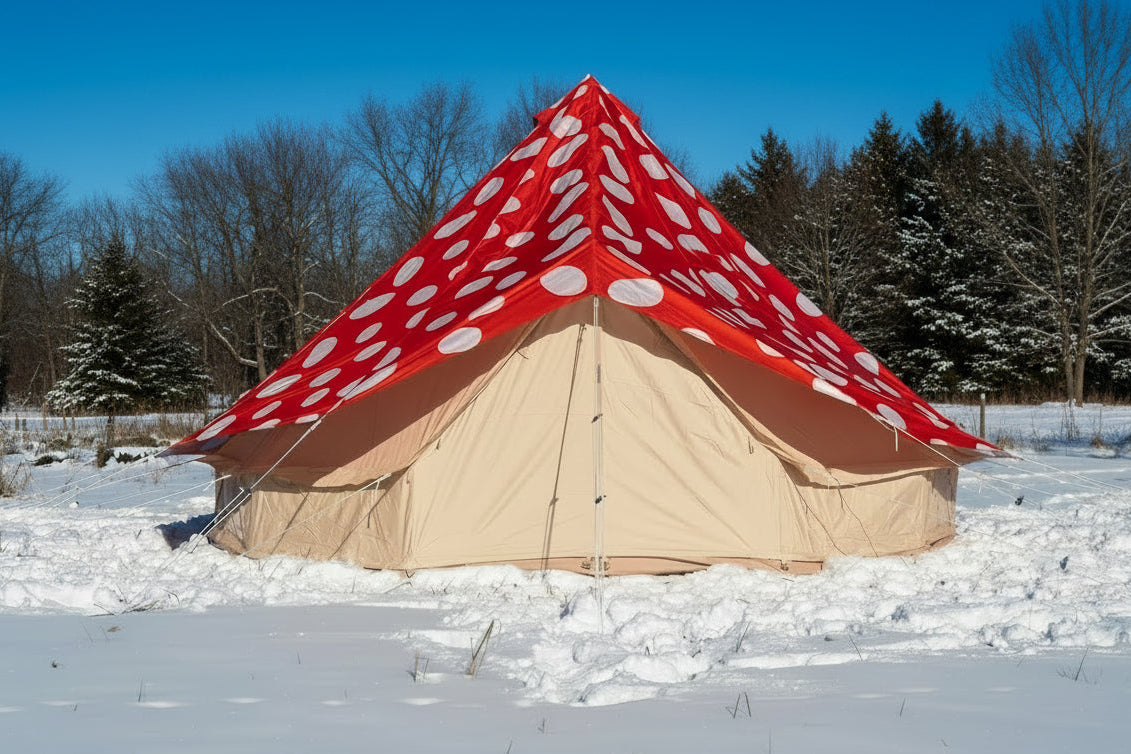
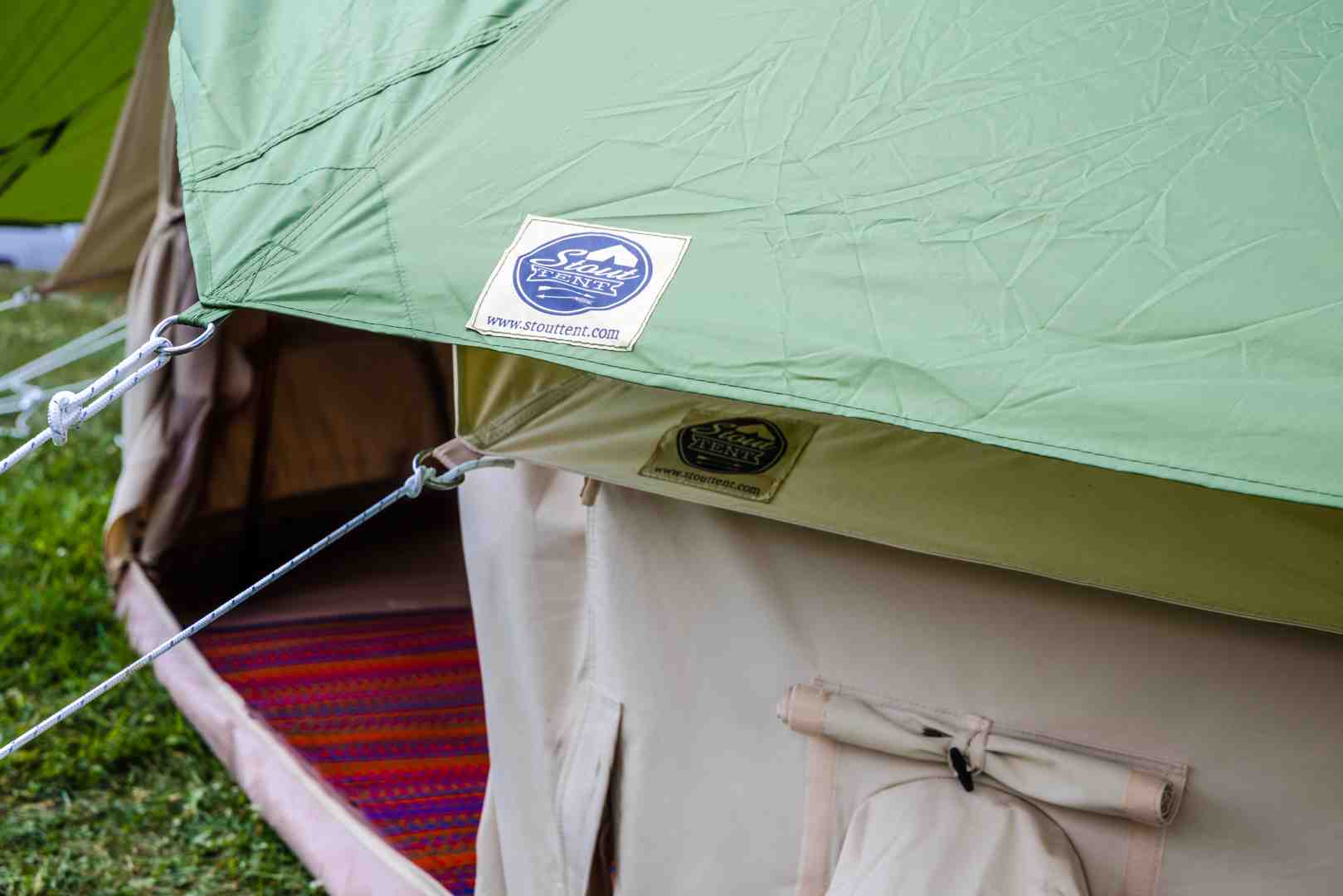
- Gear Storage: Use vestibules and gear lofts to keep wet gear out of your sleeping area, which helps control internal moisture. For our canvas tents, we offer bell tent covers for extra protection.
Long-Term Care and Maintenance
Your 4 person tent waterproof investment deserves proper care to last for years.- Cleaning: Gently wash your tent with mild soap and water. Never use a washing machine or harsh detergents, as they can destroy waterproof coatings.
- Drying: This is critical. Your tent must be 100% bone dry before storage to prevent mildew, which ruins fabric and coatings. If you pack up wet, air it out immediately when you get home.
- Storage: Store your tent loosely in a cool, dry place away from sunlight. Avoid tight compression for long periods.
- Inspecting Seams: Check seams for peeling tape or wear before each trip and patch with seam sealer as needed.
- Zipper Care: Keep zippers clean and free of debris. Avoid lubricants, which can attract dirt.
Frequently Asked Questions about Waterproof Tents
Here are the honest answers about 4 person tent waterproof systems that we wish someone had shared with us when we started camping.How much space do I really need in a 4-person tent?
A '4-person' rating often means four sleeping bags side-by-side with no room for gear. For four adults plus gear, a 6-person tent offers far more realistic comfort. Look at the floor dimensions and peak height, not just the person rating. Extra space is invaluable during bad weather when everyone is stuck inside.Can I make a tent more waterproof?
Yes. You can significantly improve any tent's weather resistance.- Seam-seal all stitched areas. This is the most important upgrade to prevent leaks through needle holes.
- Reapply waterproofing spray to the rainfly to restore its water repellency.
- Use a properly sized footprint. Critically, it must not extend beyond the tent's edges, or it will channel water underneath your floor.
What is the most important feature for wind and rain?
The single most important feature is a full-coverage rainfly that extends close to the ground. It creates a protective shell that sheds water away from the tent body. This works best with a strong pole structure and multiple, well-staked guy lines. A taut, properly tensioned tent deflects wind effectively and prevents fabric from flapping, which can lead to leaks. Our canvas tents excel here due to their heavy-duty materials and robust steel poles.Conclusion: Investing in Dry Nights and Unforgettable Trips
Choosing the right 4 person tent waterproof solution is an investment in peaceful sleep and worry-free trips. The right tent can transform your entire outdoor experience. Whether you choose a dome fortress for storms, a budget model for sunny weekends, or the superior comfort of a Rugged Canvas Basecamp, the goal is the same: having gear you can trust completely. Remember the essentials: a 2000mm+ hydrostatic head rating, a full-coverage rainfly, a bathtub floor, and proper setup and maintenance. These are your keys to staying dry. Staying dry is the difference between a good trip and a great one. Durability, comfort, and quality construction mean you can sleep soundly while the rain drums overhead, knowing you're protected. For those seeking the ultimate 4 person tent waterproof experience—one that combines durability with unparalleled comfort and breathability—our canvas tents are engineered to be a true home away from home. At Stout Tent, we believe every trip deserves a shelter as reliable as the memories you'll create.
Share
Read more
Elevate Your Outdoors: Unpacking High-End Glamping
Discover high end glamping! Experience luxury in nature with hotel-like amenities, unique destinations, and unparalleled comfort.
Bell Tent Bonanza: Where to Buy the Best Tents for Every Need
Make the best bell tent purchase! Our guide covers canvas tents, sizes, features, and care for ultimate outdoor living.