

Why the Right Tent Stove Transforms Your Glamping Operation
A tent stove is a wood-burning appliance designed to safely heat and add cooking capability inside a canvas tent. Here’s what you need to know:
Key Functions:
- Heating – Extends your operational season into cold weather months
- Cooking – Provides a reliable surface for meal preparation
- Drying – Keeps gear and linens dry in damp conditions
- Ambiance – Creates a premium guest experience with radiant warmth
Essential Components:
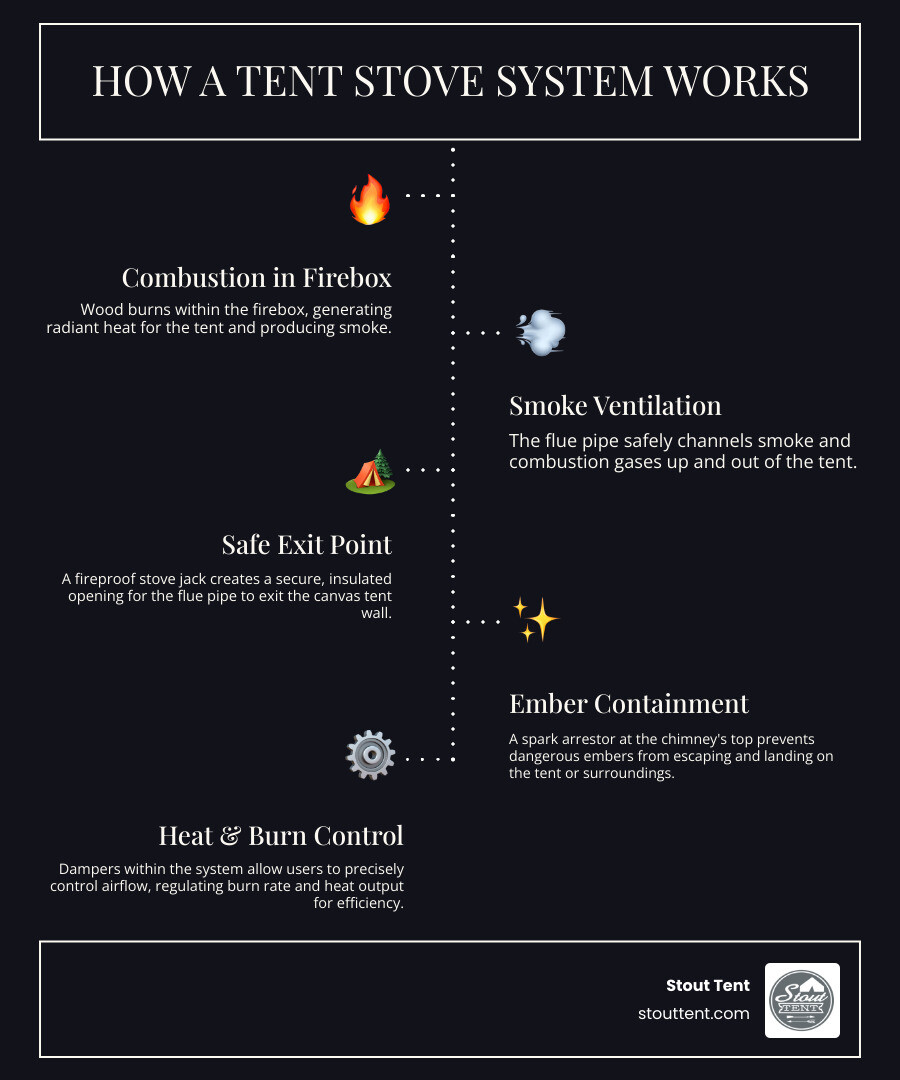
- Firebox (where wood burns)
- Flue pipe (vents smoke safely outside)
- Stove jack (fireproof port in tent wall)
- Spark arrestor (prevents embers from escaping)
- Damper (controls airflow and burn rate)
Choosing the wrong tent stove can mean wasted fuel, inconsistent heat output, and shortened equipment lifespan—all of which directly impact your Total Cost of Ownership and guest satisfaction. For glamping operators and professional hunting outfitters, a properly matched, expert-tested stove system isn’t optional; it’s a revenue-enabling asset that extends your booking calendar and protects your canvas shelter investment.
Tent stoves offer significantly more efficient combustion than open campfires, and professional-grade materials like 304 stainless steel deliver years of reliable service in demanding conditions. Whether you’re heating a 5-meter bell tent for weekend glampers or a larger 6-meter bell tent for an extended expedition, understanding how different stove designs, materials, and heating capacities align with your specific operational needs is critical. This guide breaks down the technical specifications, safety protocols, and installation best practices you need to make an informed procurement decision—one that balances upfront investment with long-term durability and performance, ensuring your investment delivers consistent performance season after season.
Deconstructing the Tent Stove System: Key Components and Accessories
A well-functioning tent stove system is more than just a metal box; it’s an integrated unit where each component plays a vital role in safety, efficiency, and comfort. Understanding these parts is the first step in making an informed comparison and selection.
At its core, a tent stove relies on a few fundamental parts to generate and distribute heat safely within a canvas tent:
- Firebox: This is the heart of the stove, where wood fuel is combusted. Its size directly influences how much wood can be loaded and, consequently, how long the stove will burn before needing to be refueled. Larger fireboxes, especially those with airtight doors, are crucial for extended burn times, which is a significant factor for overnight heating in professional glamping or hunting operations.
- Flue Pipe (Chimney): This series of interlocking pipes safely vents smoke and combustion gases out of the tent. Proper assembly and height are critical for drawing smoke efficiently and preventing dangerous backdrafts.
- Stove Jack: This is the fireproof port integrated into the canvas tent wall or roof, through which the flue pipe passes. It creates a safe, insulated barrier between the hot pipe and the flammable canvas, a non-negotiable safety feature for any stove-compatible tent built from professional-grade materials. For a deeper dive into how these tents accommodate heating solutions, explore the guide on How Do You Heat a Canvas Tent?.
- Spark Arrestor: Located at the very top of the flue pipe, this wire mesh cap prevents hot embers from escaping and potentially igniting the tent canvas or surrounding environment. Regular cleaning is essential to prevent creosote buildup, which can clog the arrestor and impede smoke flow, leading to smoke inside the tent and increased carbon monoxide risk. Some advanced designs feature cylinder-type arrestors that encourage embers to burn out within the cylinder, offering superior safety.
- Damper: This adjustable plate, typically located within the flue pipe or integrated into the stove door, controls the airflow to the firebox. A well-managed damper allows for regulation of the burn rate, conservation of fuel, and optimization of heat output, ensuring a consistent and comfortable temperature inside the tent.

Essential Accessories for Performance and Safety
Beyond the core components, a suite of accessories can significantly improve the safety, efficiency, and user experience of a tent stove system. For professional operators, these additions aren’t luxuries; they’re investments in operational excellence and client satisfaction.
- Heat-Powered Stove Fan: These ingenious devices sit atop the stove and use the heat generated to power a small fan, circulating warm air more effectively throughout the tent. This ensures even heat distribution and maximizes the comfort provided by the tent stove.
- Fireproof Mat: Placing a fireproof mat underneath and around the stove is a critical safety measure. It protects the tent floor, especially vinyl groundsheets, from radiant heat and stray embers, preventing melting or fire hazards.
- Hot Water Tank: An optional but highly valued accessory, a hot water tank mounts directly to the stove, utilizing waste heat to provide a continuous supply of hot water for washing, cooking, or even a warm drink. The Winnerwell Hot Water Tank Large is a popular choice for extended stays.
- Ash Scraper/Shovel: Essential for routine maintenance, an ash scraper allows for the safe and easy removal of ash from the firebox, ensuring optimal airflow and combustion efficiency.
- Heat-Resistant Gloves: Handling hot stove components, adding wood, or adjusting dampers requires protection. High-quality heat-resistant gloves are indispensable for safe operation.
- Pipe Brush: Creosote buildup is a constant concern in wood-burning stoves. A pipe brush is used for regular cleaning of the flue pipe, preventing dangerous blockages and reducing the risk of chimney fires and carbon monoxide poisoning.
- Stove Thermometer: Attaching a thermometer to the stovepipe allows for monitoring of flue gas temperatures, helping to maintain an optimal burn, prevent overheating, and identify creosote buildup.
- Pipe Oven: For those who wish to expand their culinary capabilities, a pipe oven, such as the Winnerwell Woodlander Pipe Oven 3.5, integrates into the flue pipe, using radiant heat to bake or roast.
- Stove Heat Reflectors: Made from materials like aluminized fiberglass cloth, these can be suspended under stoves or used as side shields to virtually eliminate radiant heat from specific surfaces. This is particularly useful when camping on snow or ice, preventing excessive melting beneath the stove.
- Stove Bags: For transport and storage, durable stove bags contain soot and ash residue, keeping other gear clean and organized.
Professional Selection Criteria for Your Tent Stove
Selecting the ideal tent stove for an operation involves a strategic assessment of several key factors to ensure maximum efficiency, safety, and longevity, directly impacting the Total Cost of Ownership (TCO) and client comfort.
The primary consideration is always matching the stove’s heating capacity to the size of the tent it will serve. Wood-burning camp stoves are available in different sizes, each designed for specific tent dimensions. For instance, a medium-sized stove can adequately heat a 5-meter bell tent in most weather conditions. However, for colder climates or larger structures like a 6-meter bell tent, a more robust solution is required. A stove with a firebox of approximately 0.07 cubic meters (2.4 cubic feet) can effectively heat larger bell tents.
The stove with the largest firebox will consistently offer the longest burn time, especially if it features a gasket on the door to ensure airtightness. This is crucial for overnight heating, minimizing the need for frequent refueling and allowing for uninterrupted sleep. While some manufacturers may claim extended burn times for smaller stoves, an expert-tested assessment shows that burn times are most reliably compared by the stove’s cubic feet capacity. When choosing between two sizes, opting for the larger one is the recommended approach to ensure adequate heating and longer burn cycles.
For optimal heat retention, the quality of the canvas tent is as important as the stove itself. Professional-grade canvas bell tents are designed to work synergistically with a tent stove, providing superior insulation and durability. This robust construction ensures that the heat generated by the stove remains effectively contained, maximizing comfort and fuel efficiency.
Analyzing Tent Stove Materials
The material from which a tent stove is constructed is a critical determinant of its durability, weight, and overall performance. For professional applications, investing in professional-grade materials directly translates to reduced replacement costs and reliable operation in demanding environments.
- Stainless Steel: Renowned for its exceptional corrosion resistance and durability, stainless steel (particularly 304 grade) is a top choice for professional tent stove applications. It withstands high temperatures without warping, offers excellent longevity, and requires minimal maintenance. Stoves made from 1.6 mm to 3.2 mm (1/16″ to 1/8″) steel are considered heavy-duty and built to last for many seasons.
- Titanium: For operations where weight is a primary concern (e.g., remote hunting camps requiring pack-in gear), titanium stoves offer an ultralight solution without compromising strength. While typically more expensive, their high strength-to-weight ratio and corrosion resistance make them a premium, long-term investment. For example, a high-efficiency titanium stove can weigh as little as 7.25 kg (16 lbs).
- Sheet Steel: Historically, 22 gauge sheet steel has been a common material for tent stove construction. While functional, lighter gauge sheet steel stoves may not offer the same airtightness or long-term durability as their stainless steel or titanium counterparts, potentially leading to more frequent maintenance or replacement in rigorous use.
The selection should prioritize stoves built from materials that promise resilience and a low TCO, ensuring they stand up to the rigors of commercial use across diverse climates, from the cold deserts of Nevada to the damp forests of the Pacific Northwest.
Installation and Safe Operation of Your Tent Stove
The effectiveness and safety of your tent stove system hinge on correct installation and meticulous operational practices. These are not areas for shortcuts, especially in professional glamping or hunting setups.
Best Practices for Tent Stove Installation
Proper installation is one of the three foundational elements for a well-functioning wood stove, alongside proper operation and maintenance.
- Stove Jack Placement and Installation: For bell tents, the standard stove jack is typically pre-installed for convenience. When adapting a tent or verifying compatibility, ensure the stove jack is a fireproof material and correctly sized for the flue pipe. Tent with Stove options come ready for this integration. The stove jack should always be positioned to allow ample clearance from the tent walls.
- Ensuring Proper Clearance from Canvas Walls: The hot flue pipe must never touch the canvas. Maintain a safe distance, typically specified in the stove’s manual, to prevent heat damage or fire. A minimum of 18 inches (45 cm) of clearance around the pipe is recommended.
- Assembling the Flue Pipe: Most tent stove systems use nesting stove pipes, where sections fit snugly into each other, tapering to form a continuous chimney. Assemble these sections securely, ensuring they are tightly joined to prevent smoke leakage. A common configuration includes 5 pieces, each 22 inches (56 cm) long, providing about 8 feet (2.4 m) when assembled.
- Securing the Chimney for Stability: In adverse weather conditions, a tall chimney can be vulnerable. Use guy lines or a wood stove pipe support kit to stabilize the flue pipe, especially where it exits the tent, preventing it from swaying or collapsing.
- Side Exit vs. Top Exit: While many prefer a top exit for flue pipes, side exit options are also available, often requiring a 45-degree stove pipe converter kit. This can be useful for specific tent designs or operational layouts.
Mastering Safe and Efficient Operation
Operating a tent stove effectively is an art that balances heat output, fuel consumption, and safety.
- Initial “Burn-In” or Seasoning Process: Before its first use inside a tent, every new tent stove must be “seasoned” outdoors. This process cures the stove’s paint and materials, eliminating any manufacturing oils or residues that would otherwise off-gas noxious fumes inside your tent. It also helps the metal set and prevents smoke seepage. Use this opportunity to practice lighting and airflow control.
- Lighting the Stove Correctly: Start with small, dry kindling and gradually add larger pieces of wood. Ensure adequate airflow initially to establish a strong draft.
- Managing Airflow with Dampers: The damper is your primary tool for controlling the fire. Once the fire is established, partially closing the damper restricts oxygen, slowing the burn rate and increasing heat retention, leading to longer burn times. An airtight stove with a gasket on the door will significantly improve this control.
- Choosing the Right Fuel: The type of wood profoundly impacts stove performance. Dense hardwoods like Western larch (tamarack) and Douglas-fir burn hotter and longer, making them ideal for sustained heat. Softer woods like lodgepole and ponderosa pine burn faster, while white pine, spruce, subalpine fir, and cottonwood are generally poor choices due to low heat output and rapid consumption. Always use dry, seasoned wood for optimal combustion and minimal creosote production in an expert-tested stove.
- Environmental Considerations: Adhere to Leave No Trace principles. Use local, sustainably sourced wood if possible, and ensure your tent stove is burning efficiently to minimize smoke and particulate emissions. Baffle plates, for instance, promote a secondary burn, reducing emissions and increasing efficiency.
Critical Safety Protocols and Maintenance
Safety is paramount when operating a tent stove. Neglecting precautions can lead to serious hazards, including fire and carbon monoxide poisoning.
- Fire Prevention Strategies:
- Always use a fireproof mat under and around your stove.
- Maintain adequate clearance between the stove, flue pipe, and tent fabric.
- Never leave a burning stove unattended.
- Keep a fire extinguisher readily accessible.
- Ensure your tent is specifically designed for stove use and has a proper stove jack. Canvas tents are not designed for open fires.
- Always check local fire restrictions before operating your stove, especially in areas like California or the US Southwest.
- The Necessity of a Carbon Monoxide (CO) Detector: Carbon monoxide is an odorless, colorless, and deadly gas produced by incomplete combustion. A battery-operated carbon monoxide detector is an absolute must-have accessory when using any tent stove. Place it at sleeping level and test it regularly. Creosote buildup in pipes is a significant contributor to carbon monoxide risk, as it impedes proper ventilation.
- Understanding Creosote Buildup and Cleaning Procedures: Creosote, a black, sticky byproduct of burning wood, accumulates in the flue pipe. This buildup not only reduces efficiency but is highly flammable and a major cause of chimney fires. Regularly inspect your flue pipe and spark arrestor for creosote. After each fire, scrape ash from the firebox, use a pipe brush to clean the flue pipe, and ensure the spark arrestor is clear. The Stove Owners Manual provides detailed cleaning instructions.
- Regular Inspection for Ensuring Longevity: Before and after each season, thoroughly inspect your tent stove and its components for signs of wear, damage, or corrosion. Check gaskets, welds, and pipe integrity. Promptly replace any compromised parts to ensure safe and efficient operation.
- Common Operational Mistakes to Avoid:
- Not seasoning a new stove.
- Using wet or unseasoned wood.
- Overloading the firebox.
- Failing to clean the flue pipe and spark arrestor.
- Ignoring a carbon monoxide alarm.
- Improper installation of the stove jack or flue pipe.
Featured Tent Stove Models for Professional Use
For glamping operators and hunting outfitters, selecting a tent stove is an investment in both comfort and operational efficiency. A curated selection of professional-grade models is available to meet the rigorous demands of commercial use, ensuring durability, reliability, and an exceptional user experience.
Winnerwell Woodlander: A Robust, All-Purpose Stove
The Winnerwell Woodlander Wood Burning Stove stands out as a robust and reliable choice for a wide range of professional applications. Constructed from high-quality 304 Stainless Steel, this stove is built to withstand repeated use in challenging environments, from the backcountry of Washington to campsites in Arizona.
Its design features a side viewing window, allowing guests to enjoy the mesmerizing glow of the fire, enhancing the ambiance of any glamping setup. Integrated drying racks provide practical utility, perfect for drying socks, gloves, or small garments, a crucial feature for maintaining comfort during cold or damp conditions. The Woodlander has been expert-tested for reliability in demanding conditions, offering consistent heat output and a long lifespan, making it an excellent long-term asset for your operation.
Woodlander Pizza Oven Stove: For Elevated Culinary Experiences
For operations looking to lift the culinary experience, the Woodlander Pizza Oven Stove Large offers combined heating and cooking functionality that transforms a simple meal into a memorable event. This heavy-duty tent stove integrates a dedicated pizza and baking oven, allowing for a diverse range of cooking possibilities beyond just boiling water.
Imagine offering freshly baked goods or gourmet pizzas to your guests in a remote glamping location. This stove is perfect for creating unique, “lifted” glamping experiences that differentiate your offering. Its robust construction ensures it can handle the frequent use required in professional settings, providing both warmth and exceptional cooking capabilities for a truly immersive outdoor experience.
The Stove Kit: A Comprehensive Solution
To simplify procurement and ensure seamless integration, the Stove Kit is offered as a bundled package. It includes not just a high-performance tent stove, but also all the essential accessories required for a safe and effective setup.
Designed by Stout Tent specifically for seamless integration with its professional canvas shelters, the Stove Kit eliminates guesswork and ensures compatibility. It’s an efficient solution for operators who need to deploy reliable heating systems quickly and confidently, knowing that every component has been selected for its quality and performance. This streamlined approach minimizes setup time and maximizes operational readiness, allowing you to focus on delivering an unparalleled client experience.
Conclusion: Investing in a Superior Hot Tent Experience
Choosing the right tent stove is a strategic decision that profoundly impacts the success and sustainability of a glamping or outdoor outfitting operation. This guide has explored the essential components, critical selection criteria, and paramount safety protocols that underpin a superior hot tent experience.
From understanding the nuances of firebox size and material durability to mastering efficient operation and diligent maintenance, each aspect contributes to a lower Total Cost of Ownership and a lifted client experience. Investing in professional-grade, expert-tested equipment ensures not only the comfort and safety of your guests but also the longevity and reliability of your assets, extending your operational season and enhancing your brand’s reputation. A well-chosen tent stove isn’t just a piece of gear; it’s a long-term asset that delivers consistent warmth, culinary versatility, and an unforgettable ambiance, making every outdoor adventure truly exceptional.
Explore the complete collection of professional-grade tent stoves.
Browse the inventory of durable canvas bell tents designed for four-season use.
Contact an expert to discuss specific operational needs.